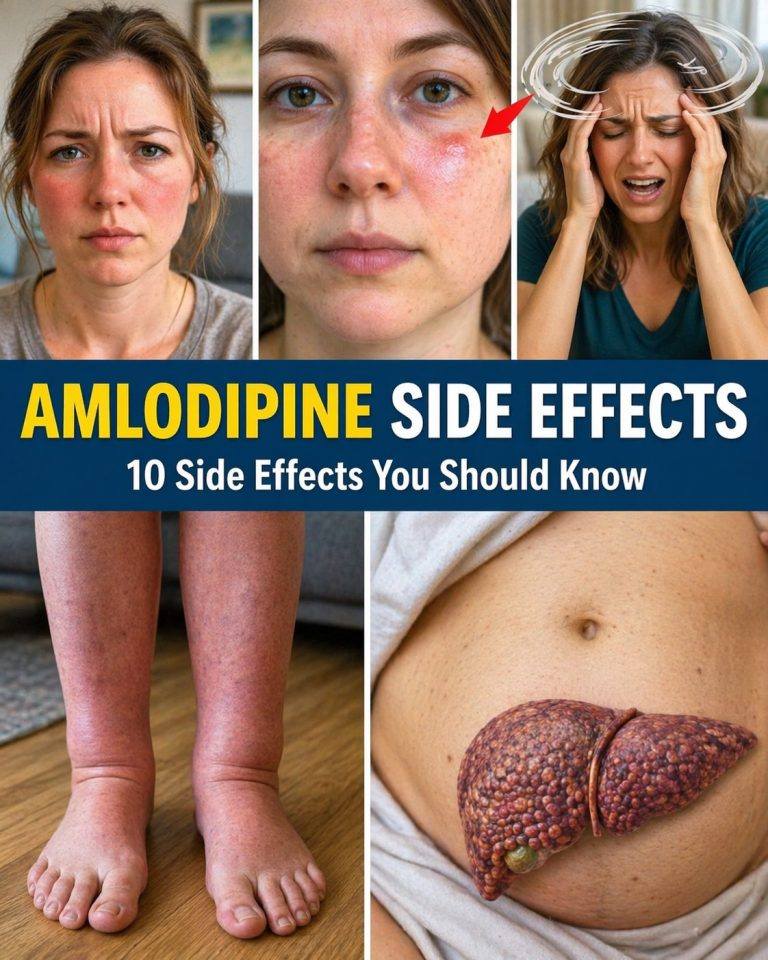
Amlodipine is a commonly prescribed calcium channel blocker used to treat high blood pressure and chest pain (angina). It’s generally well tolerated, but certain habits, medications, and lifestyle choices can interfere with its effectiveness or increase side effects.
Below are 12 critical things to avoid while taking Amlodipine, along with safer alternatives so you can use it effectively and reduce risks.
1. Avoid abruptly stopping the medication
Stopping amlodipine suddenly can cause a rebound increase in blood pressure or chest pain.
Safer approach: If changes are needed, taper only under medical supervision.
2. Avoid grapefruit and grapefruit juice
Grapefruit can increase amlodipine levels in your blood, raising the risk of side effects like dizziness, swelling, and low blood pressure.
Safer choice: Stick to oranges, apples, or other non-citrus juices.
3. Avoid alcohol in excess
Alcohol can intensify blood pressure-lowering effects, leading to dizziness or fainting.
Safer approach: If you drink, keep it minimal and consistent, and monitor how you feel.
4. Avoid standing up too quickly
Amlodipine can cause postural hypotension (blood pressure drops when standing).
Safer habit: Rise slowly from sitting or lying positions.
5. Avoid high-sodium (salt-heavy) diets
Excess salt can counteract the medication’s effect on blood pressure.
Safer choice: Focus on fresh foods and limit processed snacks, pickles, and fast food.
6. Avoid NSAIDs without medical advice
Painkillers like ibuprofen can reduce blood pressure control and stress the kidneys.
Safer option: Ask your doctor before using long-term pain medications.
7. Avoid missing doses frequently
Irregular dosing can make blood pressure unstable and harder to control.
Safer habit: Take it at the same time daily, using reminders if needed.
8. Avoid overheating or dehydration
Amlodipine can slightly widen blood vessels, making heat or dehydration more likely to cause dizziness.
Safer approach: Drink enough fluids and avoid prolonged sun exposure.
9. Avoid combining with unprescribed heart or BP drugs
Mixing with other antihypertensives or supplements can drop blood pressure too much.
Safer approach: Always inform your doctor about all medications and herbal products.
10. Avoid ignoring swelling in feet or ankles
Amlodipine can cause peripheral edema. Ignoring it may mask worsening side effects.
Safer approach: Report persistent swelling; dose adjustment may help.
11. Avoid high-dose stimulant intake (caffeine/energy drinks)
Excess caffeine can counteract blood pressure control and increase heart strain.
Safer limit: Moderate intake (e.g., 1–2 cups of coffee/day if tolerated).
12. Avoid self-adjusting your dose
Taking more or less than prescribed can lead to uncontrolled blood pressure or side effects.
Safer approach: Only adjust doses with a clinician’s guidance.
Key safety reminder
Amlodipine works best when taken consistently and paired with lifestyle habits like a low-salt diet, regular activity, and routine blood pressure monitoring.
If you want, I can also break down:
- common side effects vs dangerous symptoms
- foods that help amlodipine work better
- or how long it takes to start controlling blood pressure effectively
