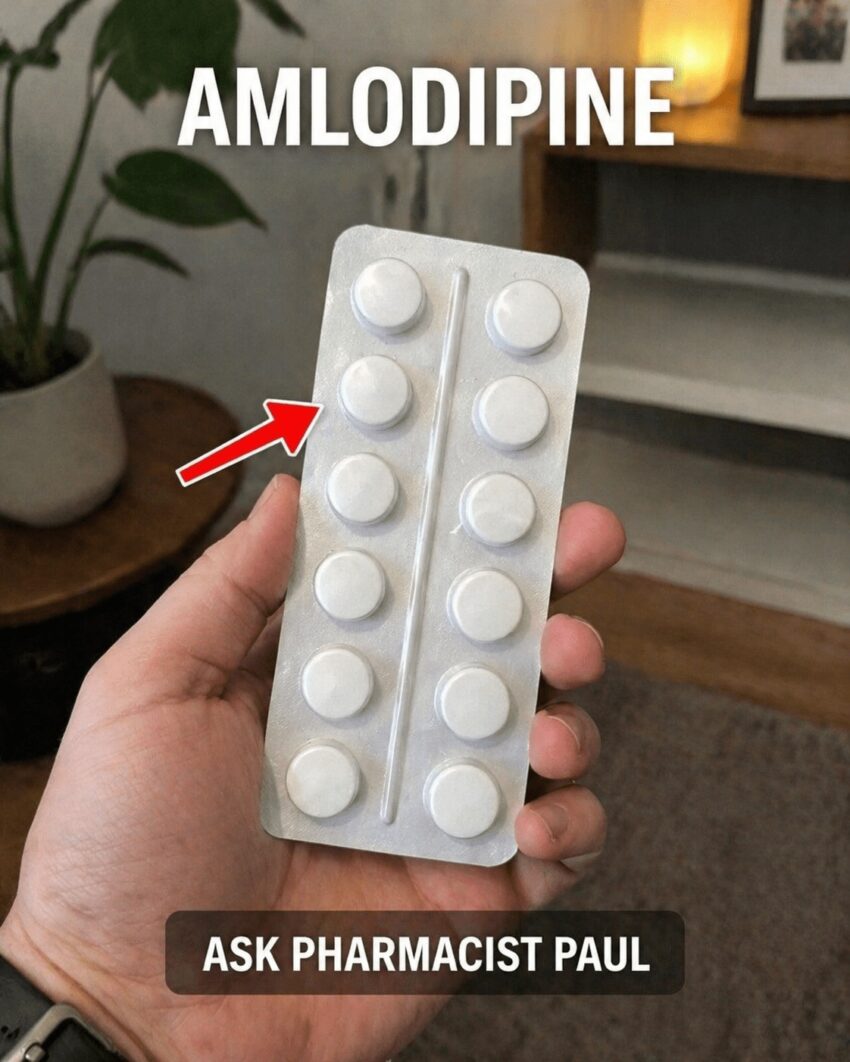
That headline is a bit click-baity, but there are some sensible precautions if you’re taking Amlodipine for blood pressure or heart conditions.
Instead of “8 habits to stop,” here’s what actually matters and why:
1. Don’t skip or stop your medication suddenly
Stopping amlodipine on your own can cause your blood pressure to rise again (sometimes sharply). Always talk to a doctor before making changes.
2. Avoid excessive grapefruit intake
Grapefruit can interfere with how your body processes certain medications, including amlodipine, potentially increasing side effects like dizziness or swelling.
3. Don’t ignore swelling in your legs or feet
Amlodipine commonly causes peripheral edema (fluid buildup). Mild swelling can be normal, but worsening or painful swelling should be checked.
4. Be careful with alcohol
Alcohol can enhance the blood-pressure-lowering effect, leading to dizziness or fainting—especially when you first start the medication.
5. Avoid high-salt diets
Salt works against what amlodipine is trying to do. Too much sodium can keep your blood pressure elevated despite medication.
6. Don’t overuse NSAID painkillers
Frequent use of drugs like Ibuprofen can reduce blood pressure control and affect kidney function, especially when combined with BP meds.
7. Don’t ignore symptoms like dizziness or palpitations
These could mean your blood pressure is too low—or occasionally signal another issue that needs adjustment of your dose.
8. Don’t rely only on medication
Amlodipine helps, but lifestyle still matters: exercise, weight control, and diet are key for long-term blood pressure management.
Bottom line
There’s nothing magical or secret here—just common-sense medication safety. Most viral lists exaggerate risks, but the real goal is simple: take the medicine correctly and support it with healthy habits.
If you want, tell me your dose and any symptoms you’re noticing—I can help you check what’s normal vs something to worry about.
