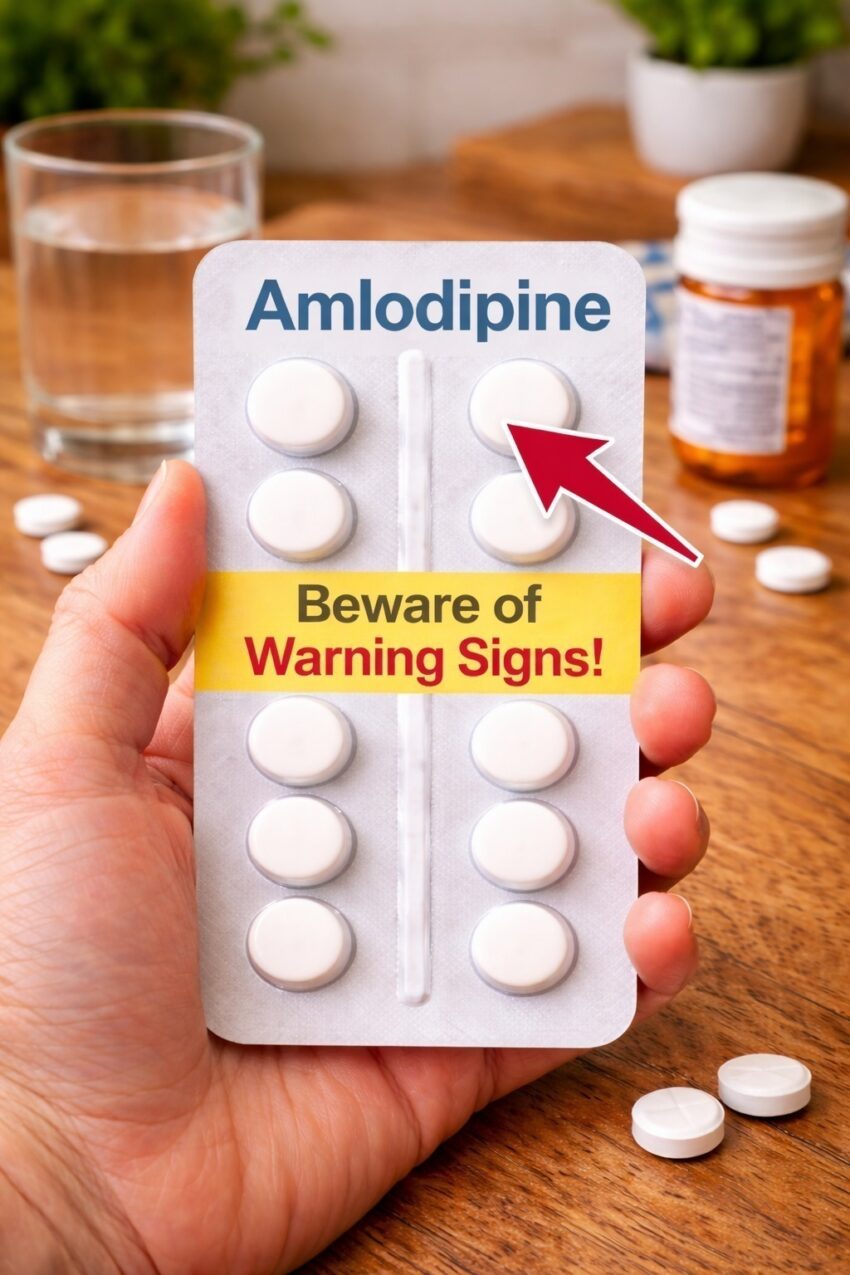
Those viral lists make it sound dramatic, but if you’re on Amlodipine, the guidance is actually pretty practical. Here are 8 habits worth stopping (or fixing)—and the real reasons behind them:
1. Stopping the medicine on your own
Blood pressure can rebound if you suddenly quit. That raises the risk of heart problems or stroke.
2. Eating a high-salt diet
Salt pushes blood pressure up, working against what amlodipine is trying to lower.
3. Drinking grapefruit juice regularly
Grapefruit can increase the drug’s level in your body, which may lead to more side effects like dizziness or swelling.
4. Ignoring ankle or foot swelling
Amlodipine commonly causes fluid buildup (edema). Mild swelling is common, but worsening or painful swelling needs attention.
5. Drinking too much alcohol
Alcohol can amplify the blood-pressure-lowering effect, making you feel lightheaded or faint.
6. Using certain painkillers too often
Frequent use of drugs like Ibuprofen can reduce blood pressure control and strain the kidneys.
7. Living a very sedentary lifestyle
Medication helps, but lack of movement keeps blood pressure and heart risk higher than necessary.
8. Ignoring symptoms like dizziness, palpitations, or fatigue
These could mean your dose needs adjusting—or that your blood pressure is going too low.
Bottom line
There’s no secret “danger list”—just common-sense habits. Amlodipine works best when you take it consistently and support it with lifestyle choices, not fight against it.
If you’re having side effects (like swelling or headaches), tell me—there are ways to manage them without stopping the medication abruptly.
