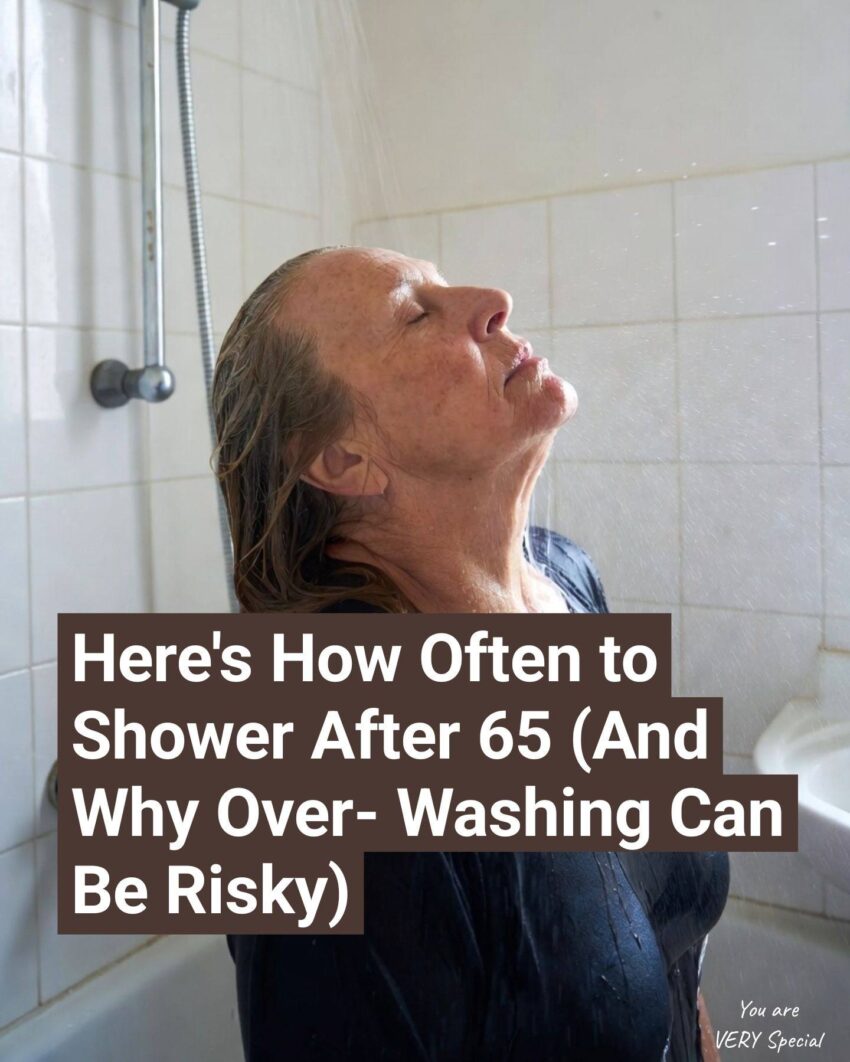
From Age 65, How Often Should You Shower? Why Over-Washing Can Be Harmful
As people get older, their skin naturally becomes thinner, drier, and more sensitive. Because of this, daily long hot showers are not always necessary — and in some cases, over-washing may actually irritate the skin and worsen dryness.
Why Skin Changes After 65
With age, the body produces:
- Less natural oil
- Less sweat
- Less collagen and elasticity
This can lead to:
- Dry, itchy skin
- Cracking
- Increased sensitivity
- Higher risk of skin irritation or infection
Hot water and harsh soaps can strip away the skin’s protective oils even faster.
How Often Should Older Adults Shower?
For many healthy adults over 65:
- A full shower 2–3 times per week is often enough
- On non-shower days, “spot cleaning” important areas may be sufficient
Areas usually cleaned daily include:
- Underarms
- Groin area
- Feet
- Face
People who exercise heavily, sweat more, or have medical conditions may need more frequent bathing.
Why Too Much Showering Can Be Harmful
Over-washing may:
- Dry out the skin
- Cause itching and irritation
- Worsen eczema
- Increase risk of small skin cracks
- Disrupt healthy skin bacteria
Very hot water can make these effects worse.
Healthier Shower Habits After 65
Experts often recommend:
- Use warm, not hot, water
- Keep showers short (5–10 minutes)
- Use gentle fragrance-free soap
- Moisturize right after bathing
- Avoid scrubbing skin aggressively
When More Frequent Bathing Is Important
Daily bathing may still be needed if someone:
- Has incontinence issues
- Perspires heavily
- Has certain skin infections
- Is physically active
- Lives in a very hot climate
Caregivers should also watch for skin irritation, sores, or infections in older adults with limited mobility.
The Bottom Line
There’s no single “perfect” shower schedule for everyone over 65. For many older adults, showering several times a week — combined with good hygiene and moisturizing — is enough to stay clean while protecting the skin’s natural barrier.
The key is balancing cleanliness with skin health, rather than assuming more washing is always better.
