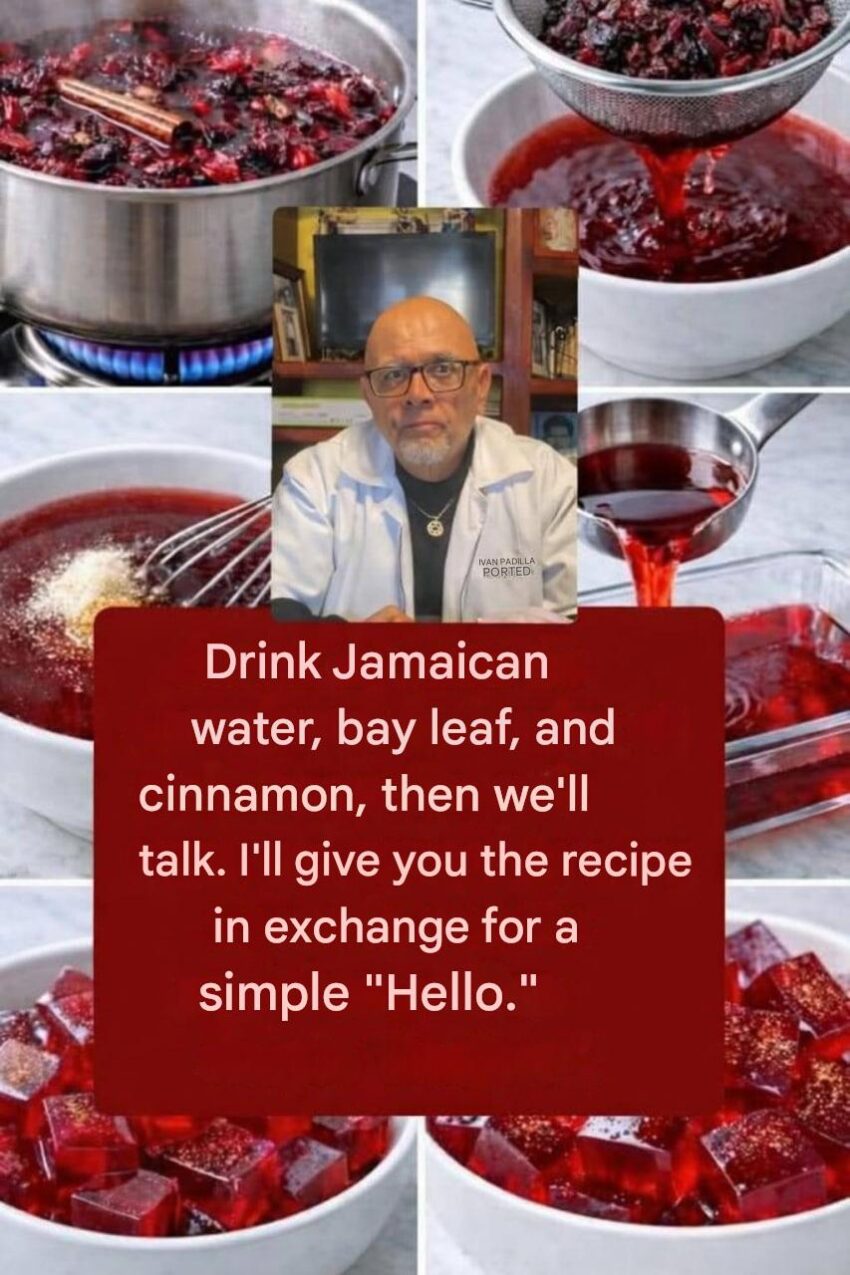
hibiscus “gelatin” with cinnamon and cloves is usually a homemade dessert or wellness-style recipe, but it’s important to separate taste, tradition, and health claims from what it can actually do.
🌺 What this mixture is
Typically it combines:
- Hibiscus infusion (often made from dried petals)
- Gelatin or agar (for texture)
- Cinnamon
- Cloves
It becomes a tart, spiced jelly-like dessert.
🌿 What each ingredient contributes
🌺 Hibiscus
- Rich in antioxidants like anthocyanins
- May slightly support hypertension in some studies
- Gives a sour, cranberry-like flavor
🌿 Cinnamon
- Contains compounds that may help with blood sugar control in small amounts
- Adds warmth and sweetness without sugar
🌱 Cloves
- Contain eugenol, which has mild antimicrobial and anti-inflammatory properties
- Very strong flavor—used in tiny amounts
🍮 Gelatin (or agar)
- Provides texture (jelly consistency)
- Source of protein (gelatin is animal-derived; agar is plant-based)
- May support fullness but not “detox” or healing claims
⚠️ What it does NOT do
Despite online claims, this mixture:
- Does not detox the body
- Does not melt fat
- Does not cure diseases
- Does not replace medical treatment
Any health effects are mild and supportive, not therapeutic cures.
🧠 Possible realistic benefits
If eaten as part of a balanced diet, it may:
- Be a low-sugar dessert alternative
- Provide antioxidants
- Help reduce intake of processed sweets
- Be hydrating and light
🍽️ Simple traditional-style recipe idea
- Brew hibiscus tea and strain
- Add a pinch of cinnamon and 1–2 cloves while simmering
- Sweeten lightly if desired
- Mix with dissolved gelatin or agar
- Chill until set
🧭 Bottom line
Hibiscus-cinnamon-clove gelatin is a pleasant, antioxidant-rich dessert, not a medical remedy. It can support a healthy diet, but it won’t deliver the dramatic health claims often attached to it online.
If you want, I can adjust it into a sugar-free weight-friendly version or a drink version instead of gelatin.
