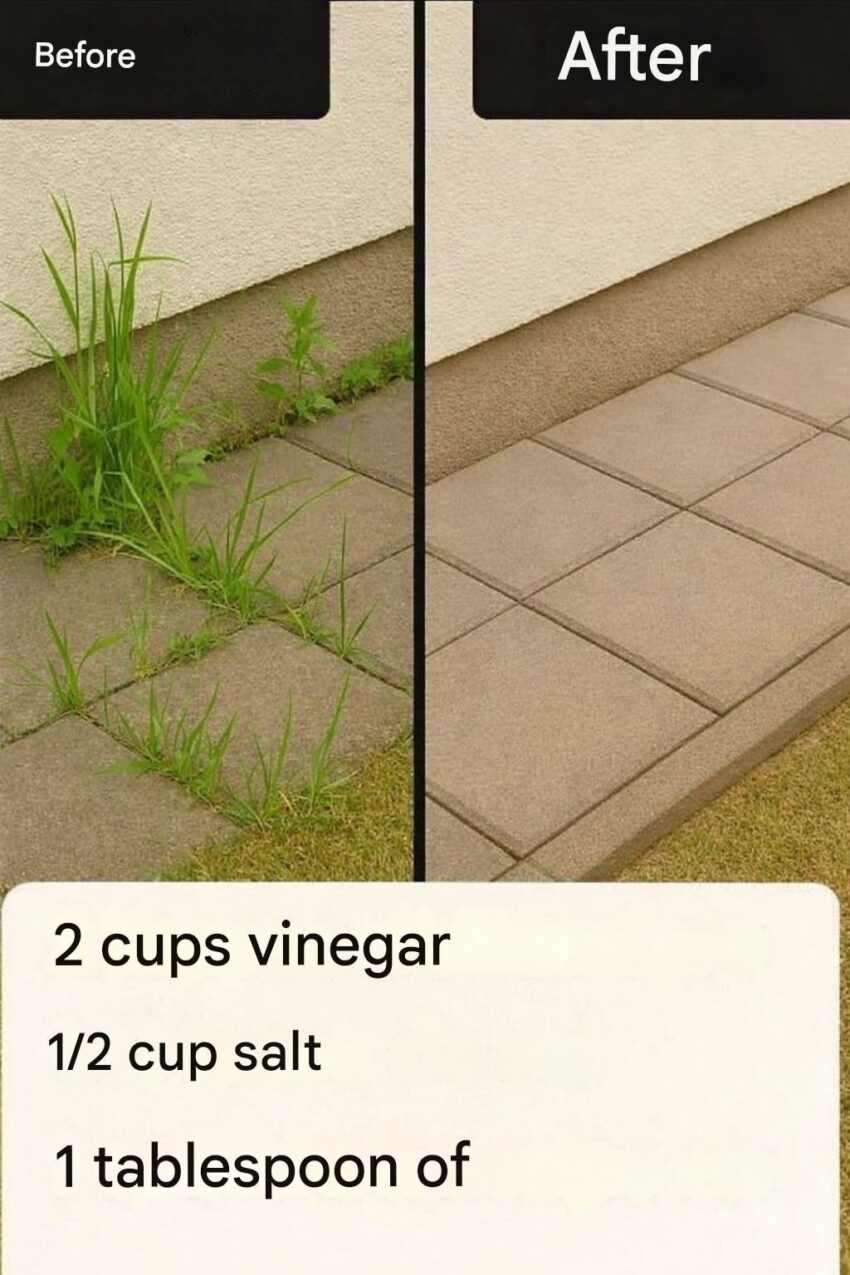
A “super effective” homemade herbicide usually means something that kills plants quickly—but the tradeoff is that most DIY options are non-selective, meaning they can damage anything they touch (including soil life and nearby plants). So the key is using them carefully, not just making them stronger.
Here are the most commonly used homemade options and how they actually work:
1) Vinegar-based spray (most popular)
This works by drying out plant leaves.
Basic mix:
- 1 liter white vinegar (the stronger, the better—horticultural vinegar works best)
- 1–2 tablespoons dish soap (helps it stick to leaves)
How to use:
- Spray directly on leaves on a hot, sunny day
- Avoid soil runoff onto plants you want to keep
Limitations:
- Works best on young weeds
- Often kills tops but not deep roots
2) Vinegar + salt (stronger but riskier)
Salt increases effectiveness but causes long-term soil damage.
Mix:
- 1 liter vinegar
- 2–3 tablespoons salt
- 1 tablespoon dish soap
Important warning:
- Salt makes soil less usable for future planting in that spot
- Best only for driveways, cracks, gravel areas—not gardens
3) Boiling water (simplest and underrated)
No chemicals, just heat damage.
How:
- Pour directly onto weeds growing in pavement cracks or paths
Pros:
- Immediate results
- Zero chemical residue
Cons:
- Only affects what it physically touches
4) Smothering (most “organic” effective method)
Not fast, but very effective long-term.
- Use cardboard, mulch, or plastic sheeting
- Blocks sunlight → plants die over time
What actually makes it “super effective”
If you want stronger results, it’s not about adding harsher chemicals—it’s about:
- Applying on a hot, dry day (sun boosts vinegar action)
- Spraying early growth stages (before deep roots develop)
- Reapplying after 3–7 days if needed
Reality check (important)
Homemade herbicides:
- Rarely match commercial herbicides in root-killing power
- Can easily damage soil and nearby plants if overused
- Are best for paths, cracks, gravel, and spot treatment, not full garden clearing
If you tell me where you’re trying to use it (garden, lawn, driveway, etc.), I can suggest the safest and most effective option for that exact situation.
