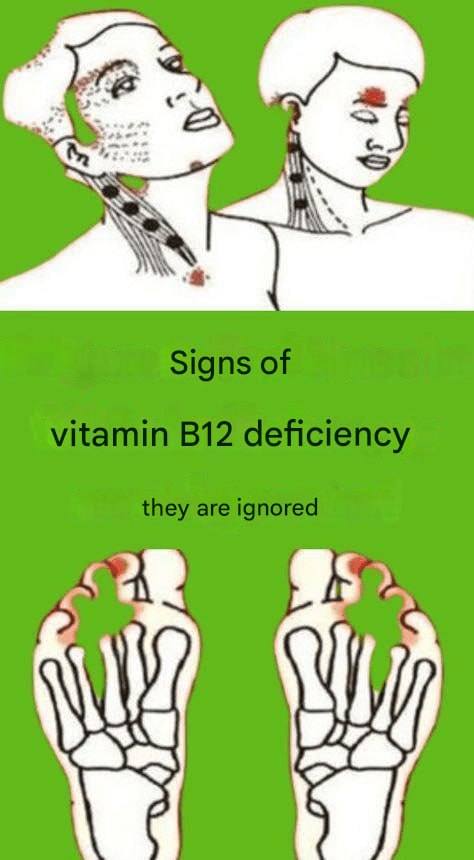
Vitamin B12 deficiency is often missed or ignored early on because its symptoms can be vague and develop slowly. But it’s important not to overlook it—prolonged deficiency can cause nerve damage that may become permanent.
Common early signs that people often ignore
- Ongoing tiredness or weakness
- Feeling dizzy or lightheaded
- Pale or slightly yellowish skin
- Shortness of breath, especially on exertion
- Fast heartbeat or palpitations
Neurological signs (more concerning)
- Tingling or “pins and needles” in hands or feet
- Numbness or burning sensations
- Balance problems or unsteady walking
- Memory issues or “brain fog”
- Irritability, depression, or mood changes
Mouth and digestive signs
- Sore or smooth tongue (glossitis)
- Mouth ulcers
- Reduced appetite
- Nausea or mild digestive discomfort
Why it gets ignored
- Symptoms develop slowly and are mistaken for stress, aging, or lack of sleep
- People may treat fatigue without checking underlying causes
- Early blood levels can still appear “borderline normal” in some cases
Who is more at risk
- People with low intake of animal foods (vegans/vegetarians)
- Those with stomach or intestinal absorption problems
- Long-term use of certain medications (like acid-reducing drugs or metformin)
- Older adults
Important point
If B12 deficiency continues untreated, it can lead to irreversible nerve damage and anemia complications, so it’s not something to dismiss if symptoms persist.
If you want, I can help you figure out whether your symptoms match B12 deficiency or explain what tests doctors usually order to confirm it.
