Here’s a detailed, medically accurate article explaining what happens to the body after gallbladder removal (cholecystectomy):
What Happens to the Body After Gallbladder Removal
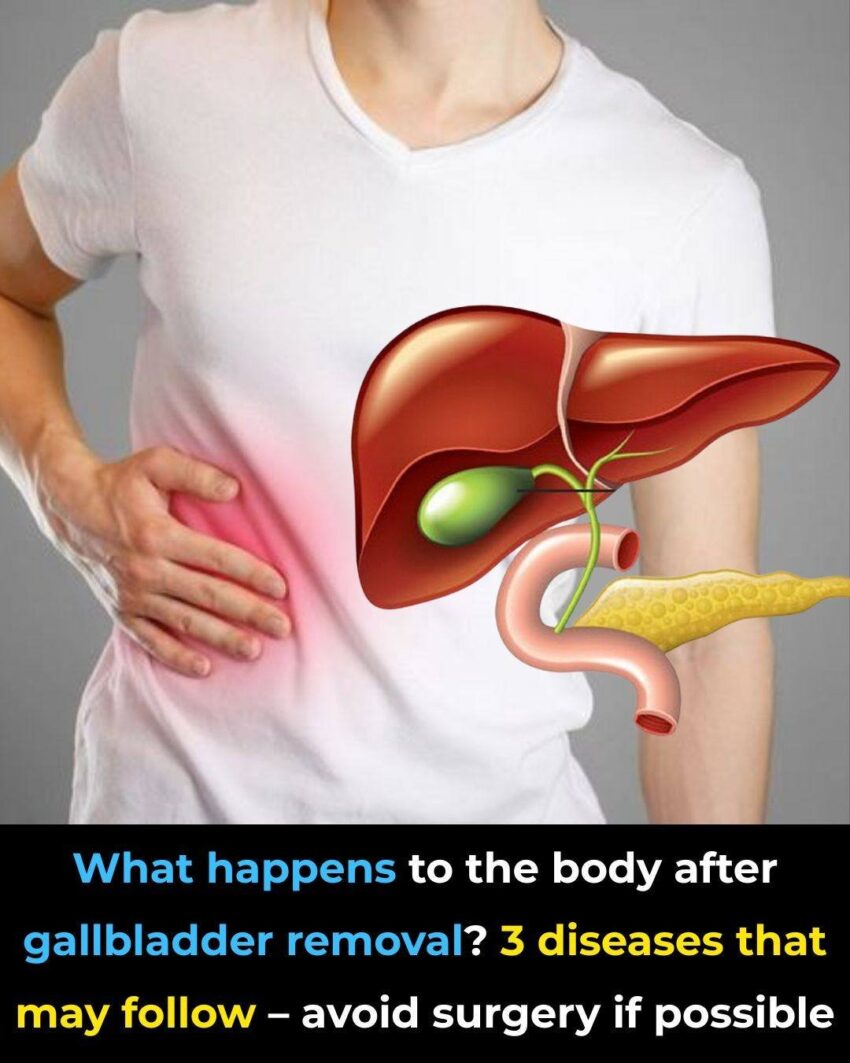
The gallbladder is a small organ located under the liver that stores and releases bile, a digestive fluid that helps break down fats. Sometimes, due to gallstones or inflammation, doctors may recommend its removal — a procedure called cholecystectomy. While many people recover fully, the body does undergo certain changes after gallbladder removal.
1. Changes in Bile Flow
- Normally, the gallbladder stores bile and releases it in concentrated amounts after a fatty meal.
- After removal, bile flows directly from the liver to the small intestine, which is less concentrated.
- This can affect fat digestion, especially in the first few weeks after surgery.
Tip: Eating smaller, low-fat meals helps your body adapt.
2. Digestive Adjustments
- Some people experience:
- Loose stools or diarrhea
- Bloating or gas
- Mild abdominal discomfort
- These symptoms often improve over time as the digestive system adjusts.
Tip: Gradually reintroduce fatty foods and avoid highly processed meals.
3. Nutrient Absorption
- Fat-soluble vitamins (A, D, E, K) may be slightly harder to absorb initially.
- Most people adapt naturally, but in rare cases, a doctor may recommend supplements.
4. Liver Function Remains Normal
- The liver continues to produce bile as usual.
- The main difference is the lack of storage; bile flows continuously but in smaller concentrations.
5. Possible Long-Term Effects
- Most people do not experience major long-term digestive issues.
- A small number may develop:
- Chronic diarrhea (postcholecystectomy diarrhea)
- Indigestion after very fatty meals
- Rarely, bile reflux gastritis
Tip: Eating a high-fiber, balanced diet and avoiding very greasy foods reduces these risks.
6. Recovery and Lifestyle Tips
- Recovery from laparoscopic gallbladder removal usually takes 1–2 weeks; open surgery may take longer.
- Gradually return to normal diet, starting with soft, low-fat foods.
- Stay hydrated and engage in light activity to support digestion.
- Follow up with your doctor if you notice persistent pain, jaundice, or severe diarrhea.
Bottom Line
After gallbladder removal, the body adapts to continuous bile flow instead of storage, which may temporarily affect fat digestion and stool consistency. Most people adjust within a few weeks, and with proper diet and care, long-term effects are minimal. Maintaining a balanced diet and healthy lifestyle ensures smooth digestive function after surgery.
If you want, I can also make a list of the best foods to eat and avoid after gallbladder removal to reduce digestive discomfort and support recovery.
