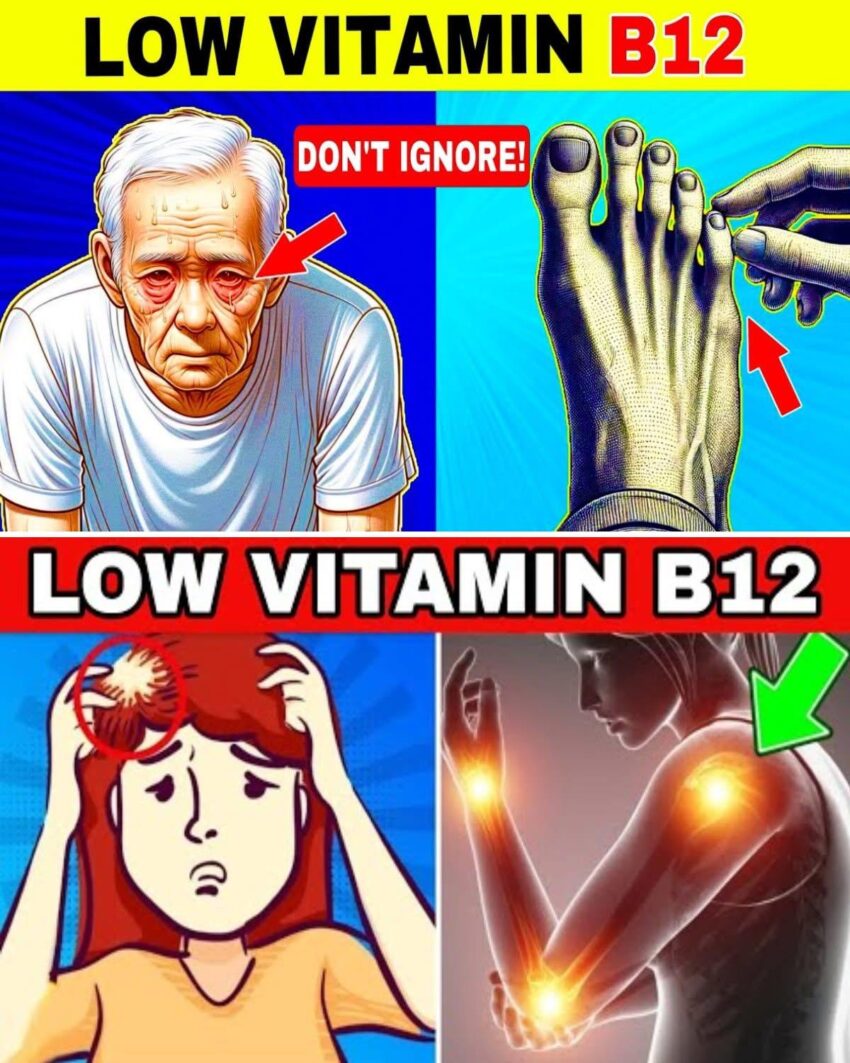
9 Urgent Signs of Vitamin B12 Deficiency You Should Never Ignore
Vitamin B12 is essential for nerve function, red blood cell production, and overall energy. A deficiency can develop gradually, but if left untreated, it may lead to serious health issues, including nerve damage and anemia. Recognizing the warning signs early can help prevent long-term complications.
Here are 9 urgent signs of vitamin B12 deficiency that you should never ignore:
1. Extreme Fatigue or Weakness
- A common early symptom is persistent tiredness, even after rest.
- B12 is crucial for red blood cell production, which carries oxygen to the body. Low levels result in fatigue.
2. Numbness or Tingling in Hands and Feet
- Vitamin B12 deficiency affects nerve health, causing a “pins and needles” sensation in extremities.
- This may progress if untreated, leading to balance problems.
3. Pale or Jaundiced Skin
- Lack of B12 can result in pale or yellowish skin, often noticed in the face or eyes.
- This is a sign of anemia caused by impaired red blood cell formation.
4. Shortness of Breath or Dizziness
- Low B12 reduces oxygen transport in the blood, causing lightheadedness, dizziness, or breathlessness, even with mild activity.
5. Cognitive Issues or Memory Problems
- Deficiency can affect brain function, leading to difficulty concentrating, memory lapses, or confusion.
6. Mood Changes or Depression
- B12 plays a role in neurotransmitter production, affecting mood.
- Low levels may lead to depression, irritability, or anxiety.
7. Glossitis and Mouth Ulcers
- Inflammation of the tongue (glossitis), swelling, redness, or soreness, and recurring mouth ulcers can signal B12 deficiency.
8. Vision Problems
- B12 deficiency can damage the optic nerve, causing blurred or double vision, and in severe cases, vision loss.
9. Heart Palpitations
- Low B12 may lead to anemia, forcing the heart to work harder and causing palpitations or an irregular heartbeat.
Who Is at Higher Risk?
- Vegetarians and vegans (B12 is mostly found in animal products)
- Older adults with reduced stomach acid
- People with gastrointestinal disorders (like Crohn’s or celiac disease)
- Individuals on long-term proton pump inhibitors or certain diabetes medications
What to Do
- Get tested: Blood tests can confirm B12 levels.
- Supplement if needed: Oral B12 tablets, sublingual drops, or injections may be prescribed by your doctor.
- Include B12-rich foods: Eggs, dairy, meat, fish, and fortified cereals.
Final Thought
Vitamin B12 deficiency can creep up slowly, but the effects on nerves, blood, and mental health can be serious. If you notice any combination of these symptoms, seek medical advice promptly — early treatment can prevent permanent damage.
If you want, I can also make a simple B12-rich meal plan that helps prevent deficiency naturally.
Do you want me to do that?
