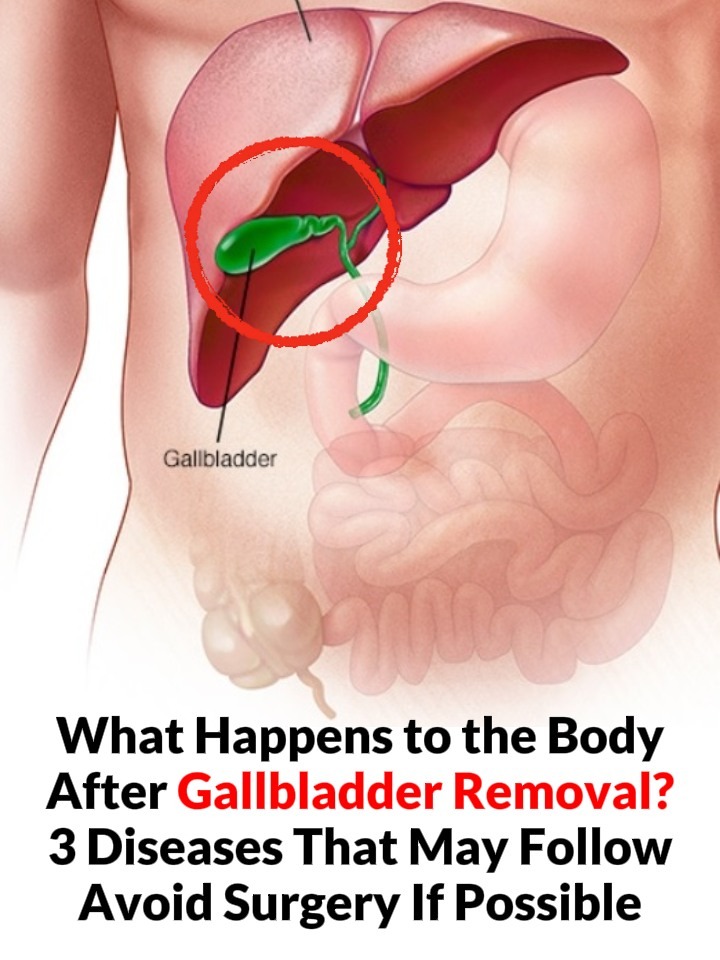
After gallbladder removal surgery (called Cholecystectomy), your body still digests food—but it works a bit differently. The gallbladder’s job is to store and release bile (a digestive fluid made by the liver). Without it, bile flows directly into your intestine in a steady trickle instead of being released in bursts.
Here’s what typically happens:
🧠 How digestion changes
- The Liver still produces bile normally.
- Bile continuously drips into the Small intestine rather than being stored.
- This can make it harder to digest large amounts of fatty foods at once.
⚠️ Common short-term effects
Many people experience temporary symptoms after surgery:
- Diarrhea
- Bloating or gas
- Mild abdominal discomfort
These usually improve within weeks to months as your body adapts.
⚠️ Possible long-term issues (not everyone gets these)
1. Digestive problems
Some people develop ongoing sensitivity to fatty or greasy foods. This may lead to:
- Chronic diarrhea
- Indigestion
This is sometimes called Postcholecystectomy syndrome.
2. Bile reflux
Instead of staying controlled, bile may flow backward into the stomach, causing:
- Burning pain
- Nausea
This condition is known as Bile reflux and is different from acid reflux.
3. Increased risk of certain conditions
There’s a slightly higher risk of:
- Gut imbalance (changes in intestinal bacteria)
- Rarely, issues like Nonalcoholic fatty liver disease due to altered fat metabolism
🥗 How to stay healthy after removal
Most people live completely normal lives. Helpful habits include:
- Eat smaller, more frequent meals
- Limit very fatty or fried foods
- Increase fiber gradually
- Stay hydrated
👍 The big picture
For the majority of people, life after gallbladder removal is normal with minimal long-term effects. The body adapts well—it just needs a little time and some dietary adjustments.
If you want, I can tailor advice based on your diet or symptoms (for example, if you’re experiencing diarrhea or pain after surgery).
