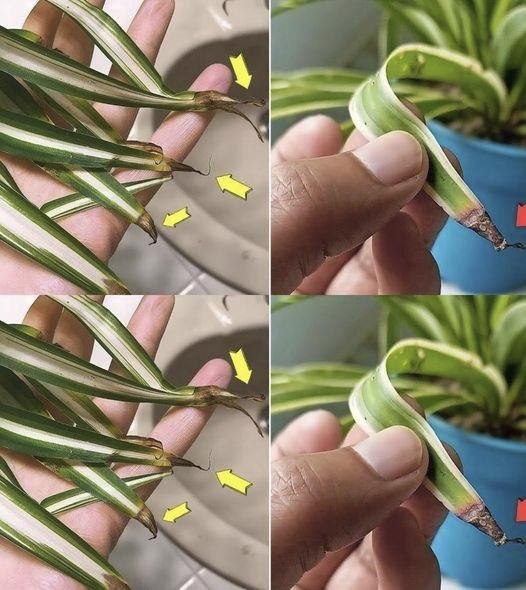
The tips of herbaceous plants turn brown when the outermost leaf or stem cells are damaged or dying. That damage is usually a symptom of stress rather than a single disease. The most common causes fall into a few categories:
1. Water stress (most common)
- Underwatering: Cells at the leaf tips dry out first because they’re farthest from the water supply.
- Inconsistent watering: Alternating between dry and soggy soil stresses roots, reducing steady water flow to the tips.
2. Salt or fertilizer buildup
- Excess fertilizer (or hard water) causes salts to accumulate in the soil.
- These salts draw water out of plant tissues through osmosis, “burning” the tips first.
3. Low humidity
- In dry air, especially indoors or in hot climates, leaf tips lose water faster than roots can replace it.
- This is common in ferns and many soft-stemmed ornamentals.
4. Nutrient imbalance
- Lack of key nutrients like potassium or calcium can weaken cell walls and cause tip dieback.
- Sometimes it’s not a deficiency in the soil but a pH issue that blocks absorption.
5. Root problems
- Root rot, compacted soil, or physical damage reduces the plant’s ability to take up water and nutrients.
- The earliest visible sign is often browning at the tips.
6. Environmental stress
- Strong wind, intense direct sunlight, or sudden temperature changes can desiccate or injure leaf tips.
- Chemical exposure (like pesticides or cleaning sprays) can also cause localized burn.
In short:
Brown tips usually mean the plant is struggling to move enough clean water (or is dealing with chemical/salt stress), and the most distant tissues—the tips—are the first to fail.
If you want, tell me what plant you’re seeing this on and how you’re caring for it—I can narrow it down to the most likely cause.
