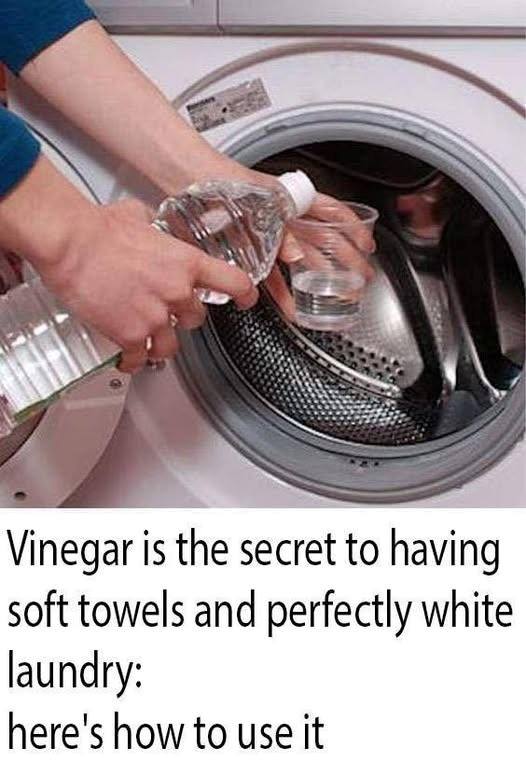
Yes—vinegar can help clean a washing machine, but it’s not a full “deep disinfectant” for every situation. It’s mainly useful for removing odor, detergent buildup, and light limescale.
Here’s the safe and effective way to use it:
🧼 How to clean a washing machine with vinegar
🟢 Step 1: Empty the machine
Make sure there are no clothes inside.
🟢 Step 2: Add vinegar
Pour 1–2 cups of white vinegar into the detergent compartment or directly into the drum.
Use:
- White vinegar
🟢 Step 3: Run a hot cycle
Select:
- Highest temperature (60–90°C if available)
- Longest wash cycle
This helps break down residue and odors.
🟢 Step 4: Clean rubber seals and drawer
After the cycle:
- Wipe door seals (front-load machines especially)
- Clean detergent drawer with vinegar and a cloth or brush
🟢 Step 5: Optional baking soda rinse
You can run a second empty cycle with ½ cup baking soda to neutralize smells.
👍 What vinegar is good at
- Removing detergent buildup
- Reducing bad smells
- Light descaling (soap scum and minerals)
⚠️ Important cautions
- Don’t mix vinegar with bleach (can produce toxic gas)
- Don’t overuse it every wash—can wear rubber seals over time
- It won’t fully kill all germs like a proper disinfectant in heavy contamination cases
🧠 Bottom line
Vinegar is a cheap and effective maintenance cleaner, but not a complete sterilizer. It works best as part of regular upkeep, not as the only cleaning method.
If you want, I can give you a monthly cleaning schedule for front-load or top-load machines to keep it odor-free and long-lasting.
