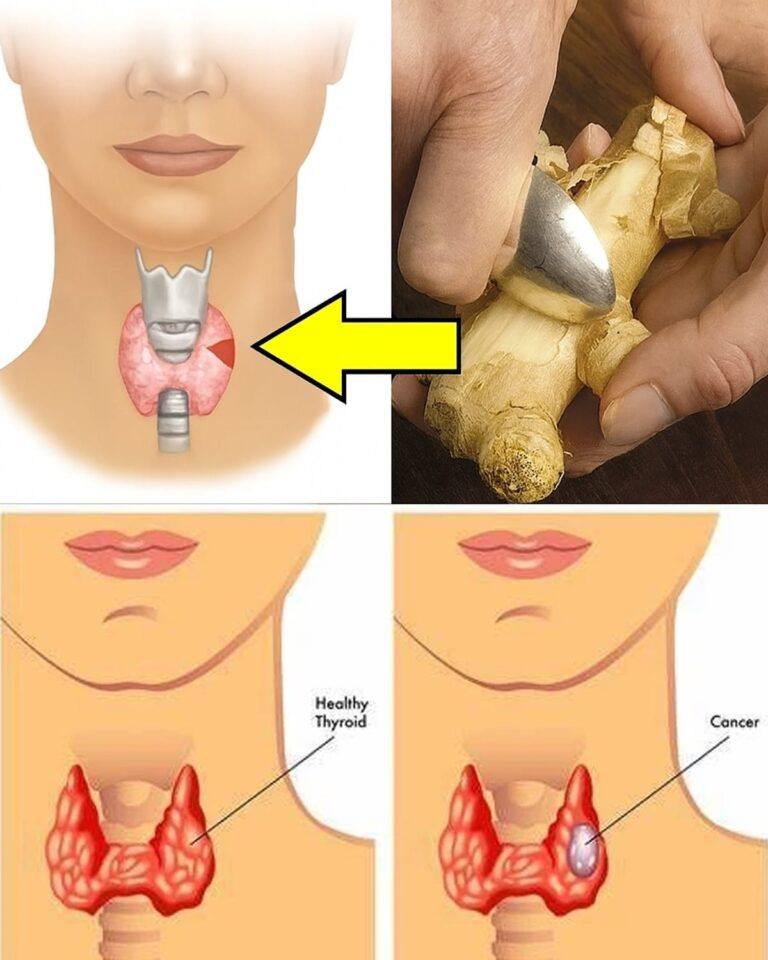
This kind of list is often exaggerated. With thyroid disease (especially hypothyroidism or Hashimoto’s), there are only a few foods that truly matter in specific situations. Most people do not need to avoid 19 foods.
Here’s what science actually supports.
Foods to be careful with (not always avoid)
1. Very high amounts of soy
- Soy can slightly affect thyroid hormone absorption
- Mainly a concern if iodine intake is low or medication timing is off
- Normal dietary amounts are usually fine
2. Cruciferous vegetables (raw in large amounts)
Examples: broccoli, cabbage, kale, cauliflower
- Contain goitrogens that can interfere with iodine use
- Cooking reduces this effect a lot
- You would need very large raw amounts for any real impact
3. Highly processed foods
- Can worsen inflammation and weight gain
- Often low in selenium, zinc, and iodine (important for thyroid health)
4. Excess iodine (important nuance)
- Too much iodine (supplements, kelp/seaweed pills) can worsen Hashimoto’s in some people
- But iodine deficiency is also harmful—balance matters
5. Gluten (only in some cases)
- Important if you have celiac disease
- Some people with Hashimoto’s report improvement, but evidence is mixed
- Not required for everyone
What people falsely claim you must “avoid”
Most viral lists wrongly include:
- Dairy (not universally harmful)
- Eggs
- Fruits
- All carbs
- All grains
- Coffee
There is no scientific basis for banning these across the board for thyroid disease.
What actually helps thyroid health
- Adequate iodine (not excessive)
- Selenium (Brazil nuts, fish, eggs)
- Zinc (meat, legumes, nuts)
- Taking thyroid medication properly (empty stomach, away from calcium/iron)
- Balanced diet with enough protein
Important medication note
If someone takes levothyroxine (thyroid hormone):
- Don’t take it with calcium, iron, or high-fiber meals
- Wait at least 30–60 minutes before eating (or follow doctor instructions)
Bottom line
There is no universal “19 foods to avoid.” Thyroid nutrition is about balance, not fear-based restriction lists.
If you want, I can give you a clear “safe foods vs caution foods” chart for Hashimoto’s or hypothyroidism, which is much more useful than viral lists.
