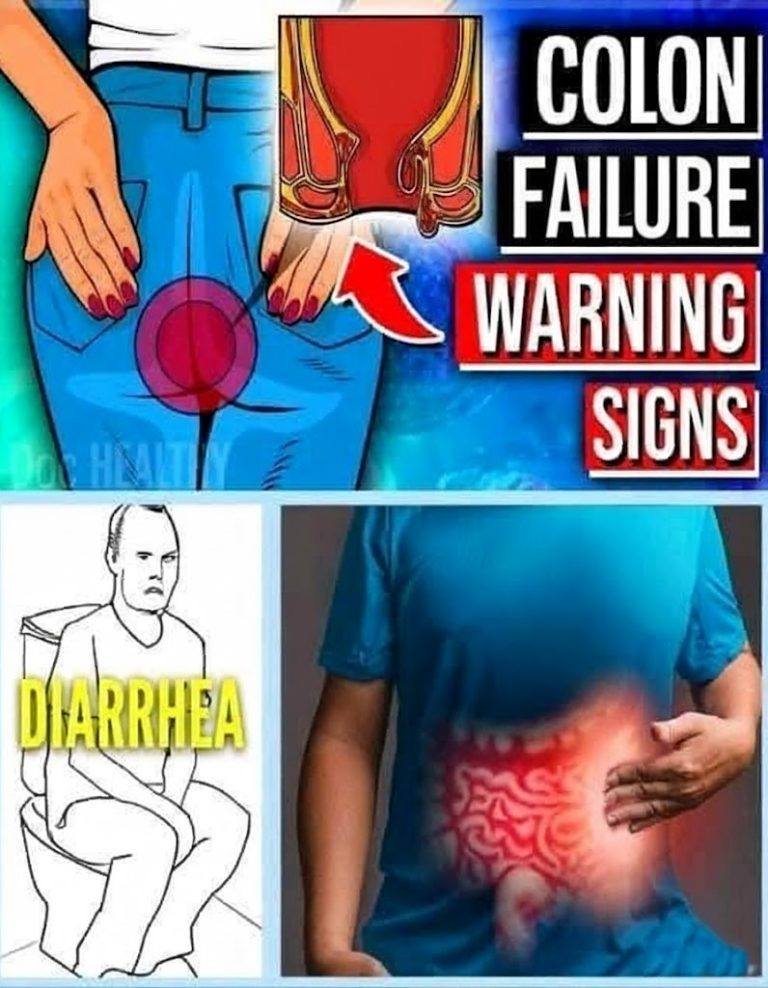
“Colon failure” isn’t a formal medical diagnosis, but people usually mean serious dysfunction of the large intestine—ranging from severe inflammation to blockage or loss of normal movement. Many of these problems fall under conditions like Colorectal cancer, Inflammatory bowel disease, or acute emergencies like Bowel obstruction.
Here are 8 early warning signs you shouldn’t ignore:
1. Persistent changes in bowel habits
Ongoing diarrhea, constipation, or alternating between both can signal underlying issues with colon function.
2. Blood in stool
Bright red or dark, tarry stools may indicate bleeding in the colon—this is always worth checking.
3. Unexplained abdominal pain or cramping
Frequent discomfort, bloating, or cramps could point to inflammation or blockage.
4. A feeling that your bowel doesn’t fully empty
This sensation (called tenesmus) can be associated with inflammation or tumors.
5. Unintentional weight loss
Losing weight without trying can be a red flag for serious gastrointestinal disease.
6. Chronic fatigue or weakness
This may result from internal bleeding or poor nutrient absorption.
7. Narrow or pencil-thin stools
A noticeable change in stool shape can suggest a narrowing in the colon.
8. Persistent nausea or vomiting
Especially when combined with constipation, it may indicate a blockage.
When to act urgently
Seek immediate medical attention if you have:
- Severe abdominal pain
- Inability to pass stool or gas
- Vomiting with abdominal swelling
Bottom line
These symptoms don’t always mean something severe, but they shouldn’t be ignored, especially if they persist for more than a couple of weeks. Early evaluation—often including screening for Colorectal cancer—can make a major difference.
If you want, I can help you figure out which symptoms are most concerning based on your situation.
