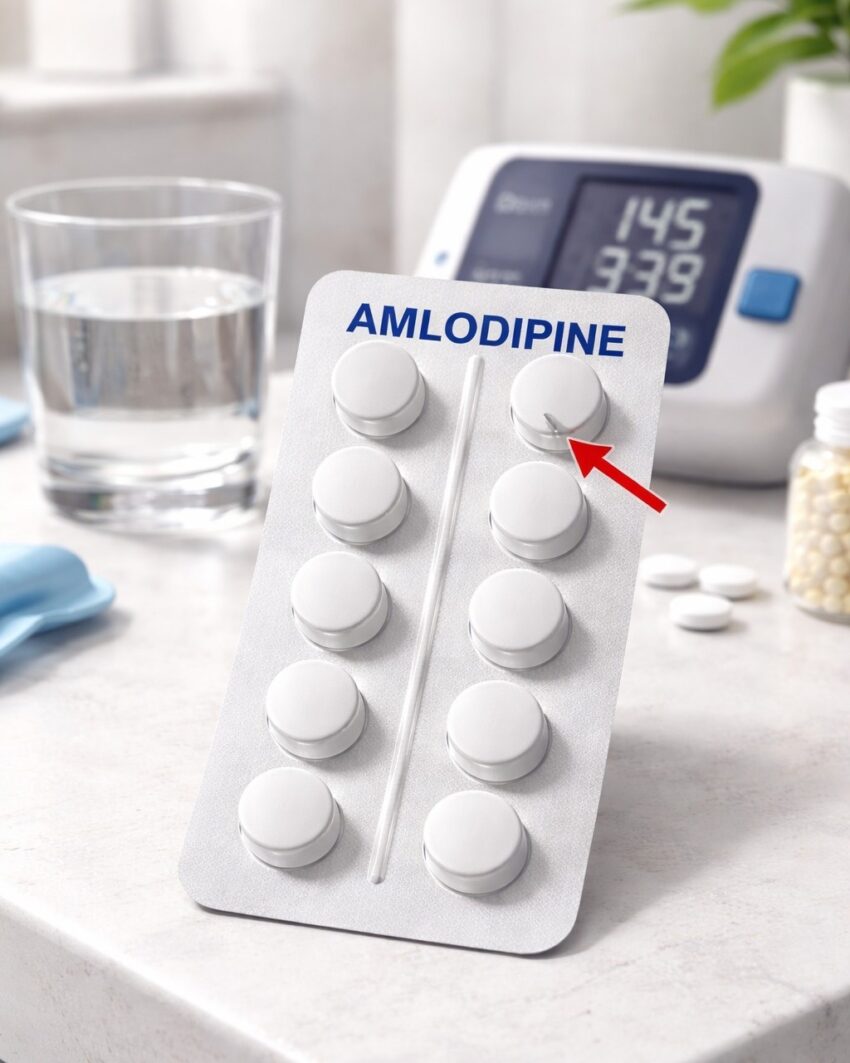
If you’re taking Amlodipine, a few everyday habits can quietly reduce its effectiveness or increase side effects. These aren’t dramatic lifestyle overhauls—just practical adjustments that help the medication work as intended.
1. Overloading on salty foods
A high-sodium diet pushes blood pressure up, working directly against amlodipine.
Why stop: It can blunt the drug’s effect and worsen ankle swelling (a common side effect).
2. Skipping doses or taking it at random times
Amlodipine needs consistent levels in your bloodstream.
Why stop: Irregular timing can lead to unstable blood pressure—higher risk for headaches, dizziness, or strain on the heart.
3. Drinking too much alcohol
Alcohol and amlodipine both lower blood pressure.
Why stop: Together, they can cause excessive drops—leading to lightheadedness, fainting, or falls.
4. Ignoring swelling in feet or ankles
This drug commonly causes peripheral edema.
Why stop ignoring it: Persistent or worsening swelling may need a dose adjustment or a different medication.
5. Eating grapefruit frequently
Grapefruit can interfere with how some medications are metabolized.
Why stop: It may increase amlodipine levels in your body, raising the chance of side effects like flushing or low blood pressure.
6. Using over-the-counter meds without checking
Cold medicines (decongestants) and some painkillers can raise blood pressure.
Why stop: They can counteract amlodipine or make BP harder to control.
7. Being inactive for long periods
Sedentary habits worsen blood pressure and circulation.
Why stop: Regular movement improves how well your cardiovascular system responds to treatment.
8. Not monitoring your blood pressure
Relying on how you “feel” isn’t reliable.
Why stop: High blood pressure often has no symptoms—you could miss problems even while on medication.
Bottom line
Amlodipine is generally safe and effective, but it works best when paired with supportive habits—especially consistent dosing, smart diet choices, and awareness of side effects.
If you’re experiencing issues like dizziness, rapid swelling, or unusual fatigue, it’s better to talk to your doctor rather than adjusting the medication on your own.
