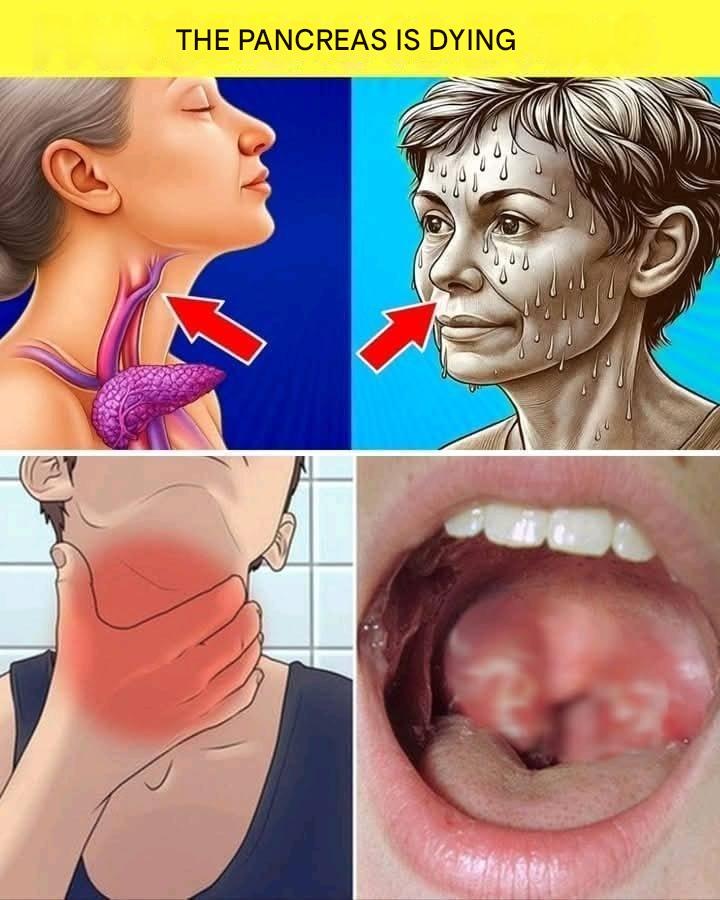
Pancreatic cancer is difficult because early symptoms are often subtle and easy to confuse with common digestive or lifestyle issues. “Weird” or unusual body changes don’t automatically mean cancer—but persistent or unexplained patterns are worth getting checked.
Here are 8 warning signs that can sometimes be associated with pancreatic cancer:
1) Yellowing of skin or eyes (jaundice)
A buildup of bilirubin can cause skin and eyes to turn yellow. This often happens if a tumor blocks the bile duct.
2) Unexplained weight loss
Losing weight without trying—especially quickly—can be a red flag for several cancers, including pancreatic cancer.
3) Upper abdominal or back pain
Dull pain in the upper belly that may radiate to the back, often worse after eating or when lying down.
4) Loss of appetite or feeling full quickly
Feeling full after eating very little, or a sudden lack of interest in food.
5) New-onset diabetes or worsening blood sugar control
The pancreas helps regulate insulin, so tumors can sometimes disrupt blood sugar balance.
6) Pale, greasy, or foul-smelling stools
This can happen when fat digestion is affected due to reduced enzyme production.
7) Persistent fatigue
Ongoing tiredness that doesn’t improve with rest and has no clear cause.
8) Itchy skin (without rash)
Especially when linked with jaundice, due to bile salts building up in the body.
Important context
These symptoms are not specific to pancreatic cancer. They are far more commonly caused by conditions like gallstones, hepatitis, gastritis, diabetes, infections, or diet-related issues.
However, pancreatic cancer is a condition where symptoms often appear late, so persistent or worsening symptoms—especially a combination of the above—should be evaluated by a doctor.
If you want, I can also break down:
- early vs late symptoms
- risk factors (like smoking, diabetes, family history)
- or how pancreatic cancer is diagnosed step-by-step
