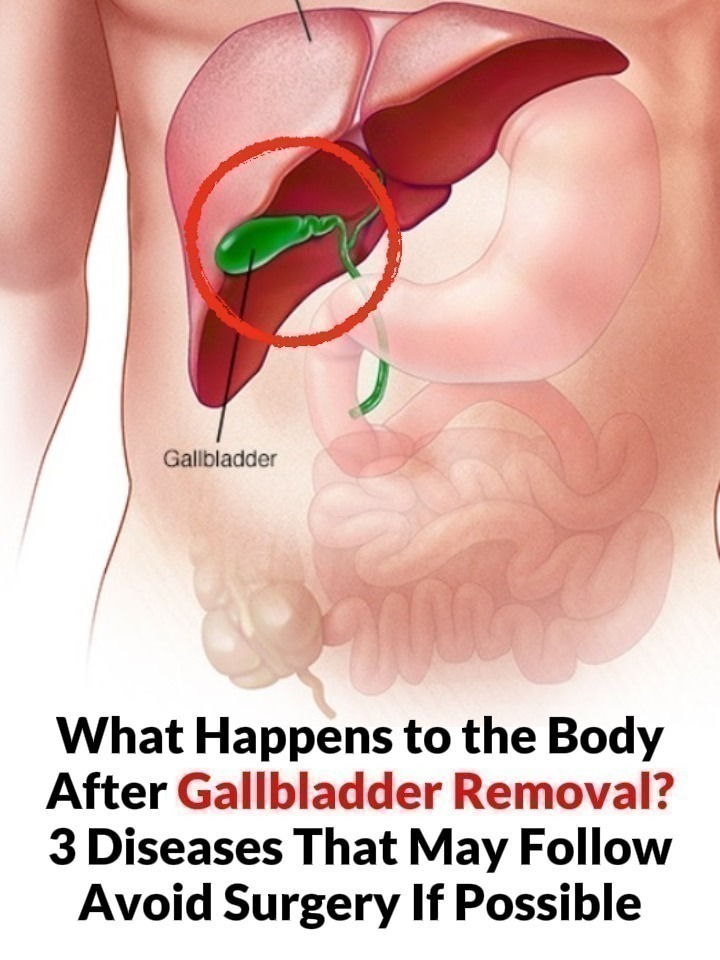
Gallbladder removal (Cholecystectomy) is a common and often necessary procedure—especially for painful gallstones. But like any surgery, it can have after-effects, and it’s important to understand both the risks and when the surgery is truly needed.
⚠️ 3 Conditions That Can Develop After Gallbladder Removal
1. Digestive Issues (Postcholecystectomy Syndrome)
Without a gallbladder, bile flows continuously into the intestines instead of being stored and released when needed.
Possible symptoms:
- Bloating
- Diarrhea
- Indigestion (especially after fatty meals)
2. Bile Reflux
Instead of going into the intestines properly, bile can sometimes flow back into the stomach.
Symptoms:
- Burning stomach pain
- Nausea
- Vomiting bile
This is different from acid reflux and can be harder to manage.
3. Increased Risk of Metabolic Issues
Some studies suggest a possible link between gallbladder removal and conditions like:
- Nonalcoholic fatty liver disease
- Changes in cholesterol metabolism
(Not everyone develops this, but it’s something doctors monitor.)
🤔 Should You Avoid the Surgery?
Not always. In many cases, surgery is the safest and most effective option, especially if you have:
- Repeated gallstone attacks
- Infection or inflammation (Cholecystitis)
- Blocked bile ducts
- Risk of complications like pancreatitis
Delaying surgery in these cases can actually be dangerous.
🌿 When You Might Try Alternatives First
If symptoms are mild, some people manage with:
- Low-fat diet
- Weight management
- Smaller, frequent meals
(But this doesn’t remove gallstones—it just reduces symptoms.)
✅ Bottom Line
Gallbladder removal isn’t something to fear—but it’s also not something to rush into unnecessarily.
- It can lead to digestive changes
- But it can also prevent serious complications
The key is proper diagnosis and timing, not avoiding surgery at all costs.
If you want, I can explain clear signs that mean you definitely need gallbladder surgery vs when you can safely wait.
