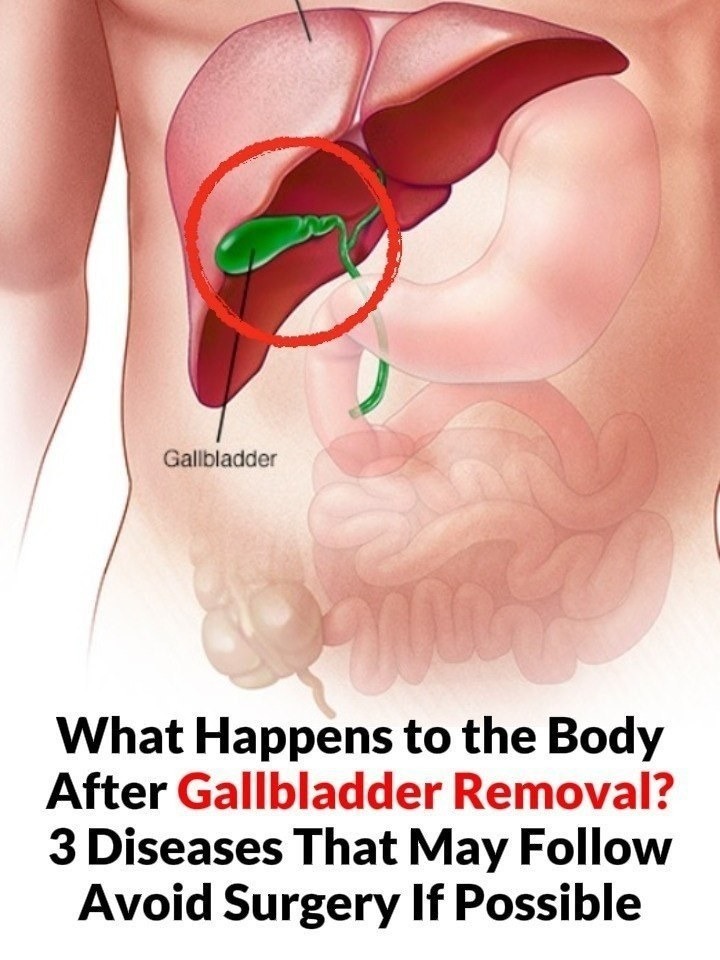
The claim that you should “avoid gallbladder removal when possible” is an oversimplification. In real medical practice, cholecystectomy (gallbladder removal) is recommended when the risks of keeping the gallbladder are higher than the risks of removing it—most commonly due to painful gallstones, infection, or complications like pancreatitis.
That said, it’s also true that a small group of people can develop ongoing symptoms after surgery. Let’s break down the real picture clearly.
What the gallbladder does (and why it’s removed)
The gallbladder stores bile, which helps digest fats. When it forms stones or becomes inflamed, it can cause:
- Severe upper right abdominal pain
- Nausea/vomiting
- Infection (cholecystitis)
- Blockage of bile ducts
- Pancreatitis (potentially serious)
When these problems occur repeatedly or severely, removal is often the safest long-term solution.
3 conditions some people may develop after gallbladder removal
1) Post-cholecystectomy syndrome (PCS)
This is a broad term for persistent or new digestive symptoms after surgery.
Possible symptoms:
- Bloating and gas
- Abdominal discomfort
- Diarrhea
- Indigestion after fatty meals
Why it happens:
- Bile now flows continuously into the intestine instead of being stored and released in controlled amounts
- Some people are more sensitive to this change than others
Important note: Most cases improve over time or can be managed with diet or medication.
2) Bile acid diarrhea
Without a gallbladder, bile can sometimes flow too freely into the intestines, irritating the colon.
This may lead to:
- Frequent loose stools
- Urgency after eating
- Symptoms worse after fatty foods
Treatment options often include:
- Bile acid binders (prescription medication)
- Low-fat diet adjustments
3) Retained or recurrent bile duct stones
Even after gallbladder removal, stones can sometimes:
- Remain in the bile duct (if not detected during surgery)
- Form again in the bile ducts (rare but possible)
Symptoms may include:
- Jaundice (yellowing of skin/eyes)
- Upper abdominal pain
- Fever (if infection develops)
This is uncommon, and modern surgical techniques usually detect and remove stones during the procedure.
Important correction: “Avoid surgery when possible” is not always safe
While it’s true that any surgery should be carefully considered, avoiding gallbladder removal when it is medically indicated can be more dangerous than having it.
Untreated gallbladder disease can lead to:
- Repeated severe pain attacks
- Gallbladder rupture (rare but serious)
- Life-threatening infection
- Pancreatitis
In other words, the decision is based on risk balance, not avoidance.
Who may actually try non-surgical management?
In select cases, doctors may suggest:
- Dietary changes (low-fat diet)
- Weight management
- Medications (limited effectiveness for stones)
- Monitoring if symptoms are mild or rare
But these approaches usually do not dissolve existing stones reliably and are not suitable for complicated disease.
Bottom line
- Gallbladder removal is one of the most common and generally safe surgeries worldwide.
- A small percentage of people may experience ongoing digestive issues afterward.
- However, in medically indicated cases, the risks of not removing the gallbladder are often greater than the risks of surgery.
If you want, I can also explain:
- How to know if you truly need gallbladder surgery
- Ways to reduce post-surgery digestive issues
- Or natural diet strategies for managing gallstones before surgery is considered
