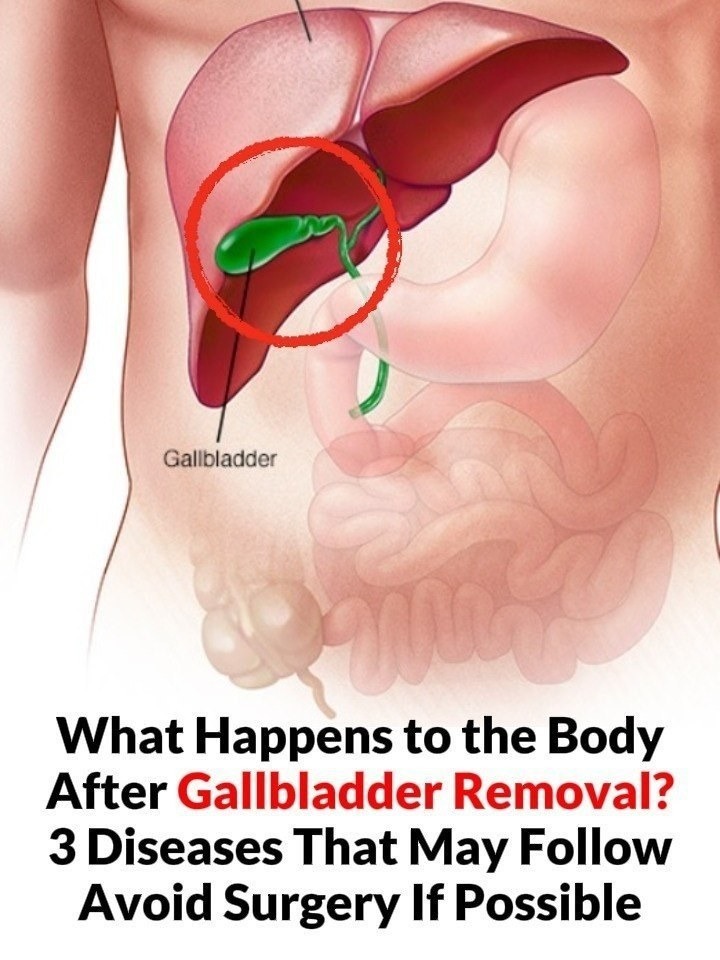
The idea that you should “avoid gallbladder removal when possible” is a common online claim, but it’s not medically accurate in a general sense. Gallbladder surgery (cholecystectomy) is one of the most common and well-studied operations worldwide, and when it’s recommended, it’s usually because the risks of not operating are higher than the risks of surgery.
That said, it is true that after gallbladder removal, some people experience certain long-term digestive changes. These are not reasons to universally avoid surgery, but they are worth understanding.
Here are 3 conditions or issues that can occur after gallbladder removal:
1. Post-Cholecystectomy Diarrhea
The gallbladder normally stores and concentrates bile, releasing it in controlled amounts when you eat fat. After removal, bile flows continuously into the intestine.
In some people, this can lead to:
- Frequent loose stools
- Urgency after eating
- Worse symptoms after fatty meals
This is usually due to excess bile irritating the colon. It often improves over time or can be managed with diet changes or medication (like bile acid binders).
2. Bile Reflux Gastritis
Without a gallbladder regulating bile flow, bile can sometimes flow backward into the stomach.
This may cause:
- Burning upper abdominal pain
- Nausea
- Bitter taste in the mouth
- Inflammation of the stomach lining
It is less common than diarrhea but can be persistent in some patients.
3. Postcholecystectomy Syndrome
This is a broad term describing ongoing digestive symptoms after surgery, such as:
- Bloating
- Indigestion
- Right upper abdominal discomfort
- Fat intolerance
Important point: this is not one single disease, but a mix of possible causes, including:
- Residual bile duct stones
- Sphincter of Oddi dysfunction
- Functional gut sensitivity
Most people do not develop severe long-term symptoms, but a small percentage do require further evaluation.
So, should you “avoid surgery if possible”?
This is where online content often becomes misleading.
Gallbladder removal is typically recommended when there are:
- Repeated gallstone attacks
- Gallbladder inflammation (cholecystitis)
- Blocked bile ducts
- Pancreatitis caused by gallstones
In these cases, not removing the gallbladder can be dangerous and lead to serious complications like infection or pancreatitis recurrence.
Modern guidelines do not recommend avoiding surgery when it is medically indicated. Instead, they focus on:
- Proper diagnosis
- Timing of surgery
- Minimally invasive (laparoscopic) techniques
- Post-op dietary adjustment
Bottom line
Yes, some people experience digestive changes after gallbladder removal—but most recover well and live completely normal lives. The key issue is not “avoiding surgery,” but making sure the surgery is truly necessary and properly planned.
If you want, I can also explain:
- How to know if your gallbladder actually needs removal
- Natural ways doctors sometimes try before surgery (when appropriate)
- What diet helps most after surgery
Just tell me.
