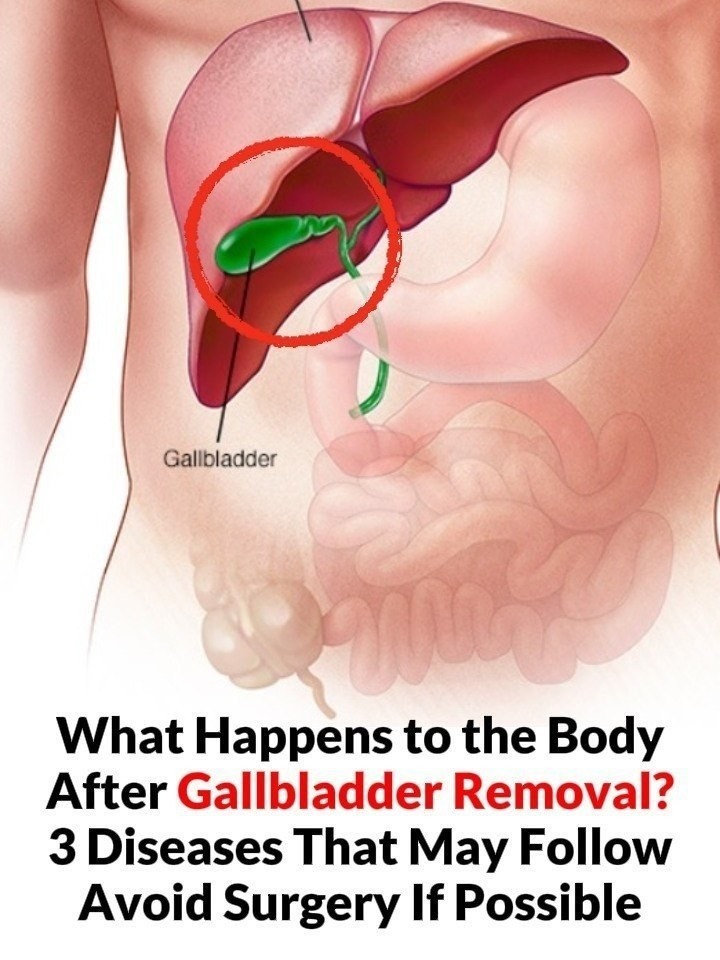
The idea that people should generally “avoid gallbladder removal when possible” is misleading. For many conditions—especially symptomatic gallstones, recurrent gallbladder attacks, or acute cholecystitis—removing the gallbladder (cholecystectomy) is not optional but the standard, safest long-term treatment.
That said, it’s also true that some people develop ongoing digestive or biliary symptoms after surgery. These are usually grouped under post-cholecystectomy syndrome, and they can include the following:
1) Bile acid diarrhea
After gallbladder removal, bile flows continuously into the intestine instead of being stored and released in controlled amounts during meals.
In some people, this can lead to:
- Chronic loose stools or urgency
- Bloating and abdominal discomfort
- Symptoms worse after fatty meals
This happens because excess bile acids reach the colon and irritate it.
2) Post-cholecystectomy syndrome (persistent abdominal symptoms)
This is a broad term for ongoing or recurring symptoms such as:
- Right upper abdominal pain
- Indigestion, nausea, bloating
- Fat intolerance
Causes can include:
- Residual or newly formed bile duct stones
- Functional digestive changes
- Acid reflux or gastritis unrelated to the gallbladder
Importantly, this is not one single disease—it’s a mix of possible issues, and many cases are treatable.
3) Sphincter of Oddi dysfunction (rare but notable)
The sphincter of Oddi is a valve controlling bile and pancreatic juice flow into the intestine.
In a small number of patients after surgery, it may become dysfunctional, causing:
- Recurrent upper abdominal pain
- Abnormal liver or pancreatic enzyme levels
- Episodes resembling gallbladder attacks
This condition is uncommon and sometimes difficult to diagnose, but it is treatable in selected cases.
Important reality check: surgery is often beneficial, not optional
While these complications exist, it’s important to balance them against the risks of not removing the gallbladder when it is diseased, which can include:
- Severe gallbladder attacks (biliary colic)
- Infection (cholecystitis)
- Pancreatitis from gallstones
- Blockage of bile ducts (which can be dangerous)
For many patients, cholecystectomy significantly improves quality of life and prevents serious complications.
Bottom line
Gallbladder removal is not something to “avoid when possible” in general—it is a well-established, often necessary treatment. However, like any surgery, it can have side effects, most of which are manageable or temporary.
If you’re weighing surgery, the key question isn’t “Should I avoid it?” but rather:
“Is my gallbladder condition causing more risk than the surgery itself?”
If you want, tell me your symptoms or diagnosis, and I can help you understand when doctors typically recommend surgery vs. conservative management.
