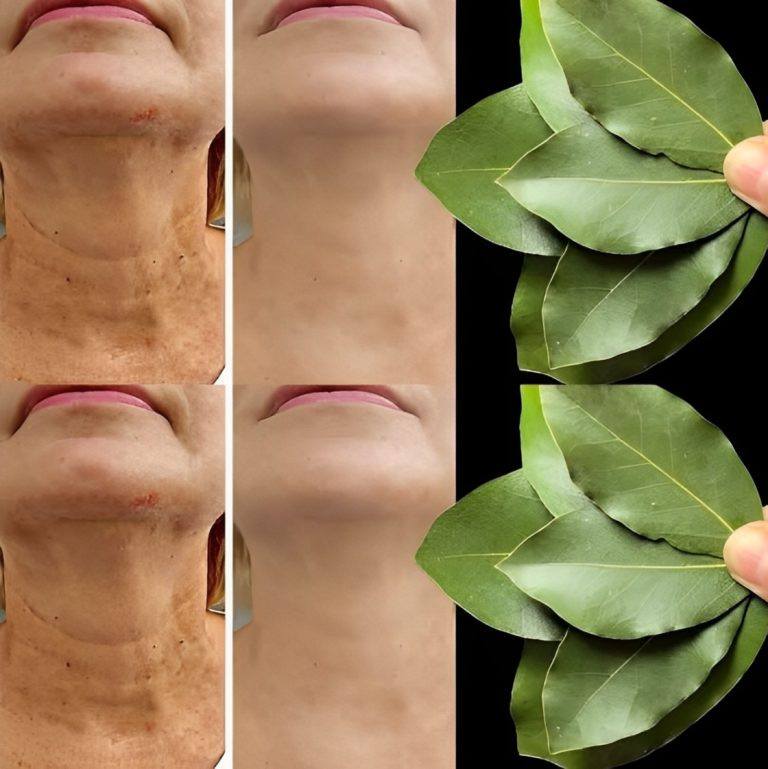
That claim isn’t supported by any credible medical or scientific evidence.
The short truth
- Bay leaf (laurel leaf) is a cooking herb. It contains some antioxidants and plant compounds, but there is no evidence it can “reverse wrinkles” or replace clinical cosmetic treatments.
- Botulinum toxin (commonly known by the brand Botox) works in a completely different way: it temporarily relaxes facial muscles to reduce the appearance of dynamic wrinkles (like frown lines). Its effects are studied, regulated, and dose-dependent.
Why the “100,000 times more effective” claim is misleading
That number has no scientific basis. It’s a typical social media exaggeration that:
- compares completely unrelated things (a kitchen herb vs a prescription neurotoxin)
- ignores mechanism of action (plant extract vs neuromuscular blocker)
- skips clinical testing entirely
Can bay leaf do anything for skin?
Some compounds in bay leaves (like polyphenols and essential oils) may have:
- mild antioxidant effects
- antimicrobial properties
But in real-world use:
- applying it to skin has no proven anti-wrinkle effect
- it does not rebuild collagen or relax facial muscles
- it can even cause irritation or allergic reactions in some people
What actually helps wrinkles (evidence-based)
If your goal is smoother skin, these have real data behind them:
- sunscreen (most important for preventing new wrinkles)
- retinoids (vitamin A derivatives)
- moisturizers with hyaluronic acid
- professional treatments (Botox, fillers, lasers)
Bottom line
Bay leaf is great in food. It is not a substitute for dermatological treatments, and the “100,000 times more effective than Botox” claim is simply misinformation.
If you want, tell me your age range and skin type, and I can suggest a realistic, low-cost skincare routine that actually has evidence behind it.
