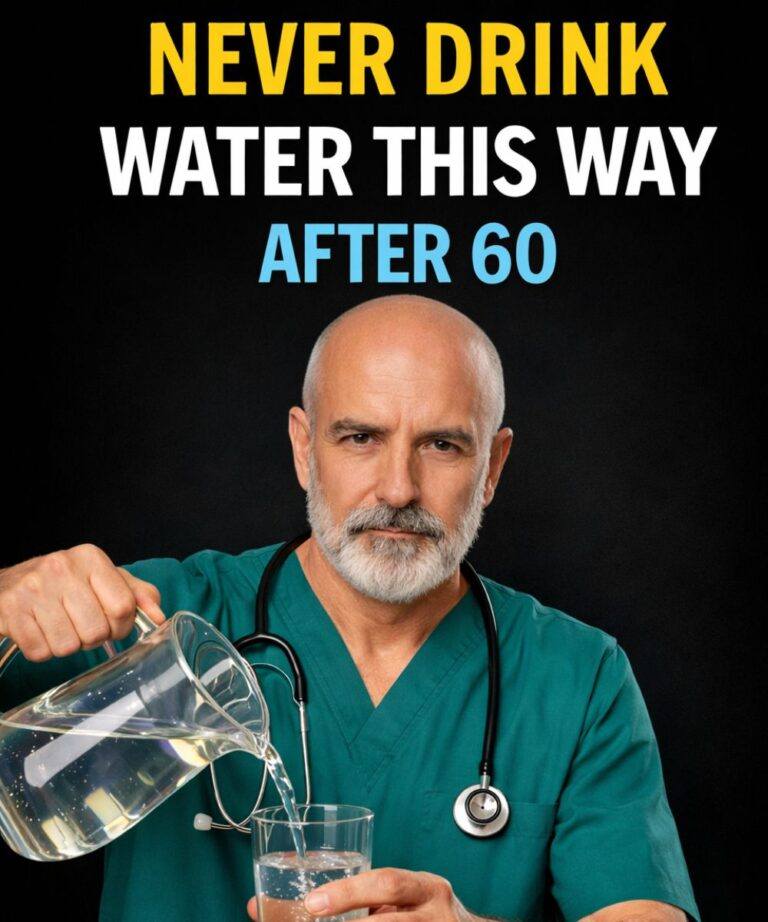
After 60, hydration becomes more than a general wellness habit—it starts to directly affect blood pressure regulation, kidney function, and heart workload. Cardiologists usually don’t focus on a single “perfect way” to drink water, but they do emphasize a few practical habits that help protect the heart, especially in older adults.
Here’s what they typically recommend:
1) Drink in small, steady amounts—not large gulps
Large volumes of water taken at once can briefly increase blood volume and put extra strain on the heart. Instead of chugging a full glass, it’s better to sip gradually throughout the day. This helps the body absorb fluid more smoothly and avoids sudden cardiovascular load.
2) Start the day with water, but don’t overdo it
A glass of water in the morning helps correct overnight dehydration, which is common after 60 due to reduced thirst sensation. But there’s no need to force excessive amounts early in the day—balance matters more than volume spikes.
3) Avoid drinking large amounts right before bed
Drinking too much water at night can disrupt sleep and may stress the heart in people with underlying issues like heart failure or borderline kidney function. A few sips if you’re thirsty is fine, but heavy hydration late at night is usually discouraged.
4) Pay attention to posture while drinking
It sounds simple, but sitting upright while drinking is better than lying down. This helps prevent aspiration risk and supports smoother swallowing, which can become more important with age.
5) Be cautious with “extremes” (too cold or too much at once)
Very cold water can sometimes trigger brief blood vessel constriction or discomfort in sensitive individuals. Room-temperature water is generally the safest, most heart-friendly option.
6) Hydration should match heart and kidney health
For people with hypertension, heart disease, or kidney issues, fluid needs may need to be individualized. In some cases, doctors may even recommend fluid limits rather than just “drink more water.” That’s why cardiologists often tailor advice rather than giving a universal number.
7) Don’t rely on thirst alone
After 60, the thirst mechanism becomes less sensitive. A better approach is to drink regularly across the day (morning, mid-morning, afternoon, evening) rather than waiting until you feel thirsty.
Bottom line
The “correct way” isn’t about a special technique—it’s about steady, moderate, evenly spaced hydration that avoids sudden overload on the circulatory system.
If you want, I can also break down how much water is typically appropriate after 60 based on weight, activity level, and conditions like blood pressure or diabetes.
