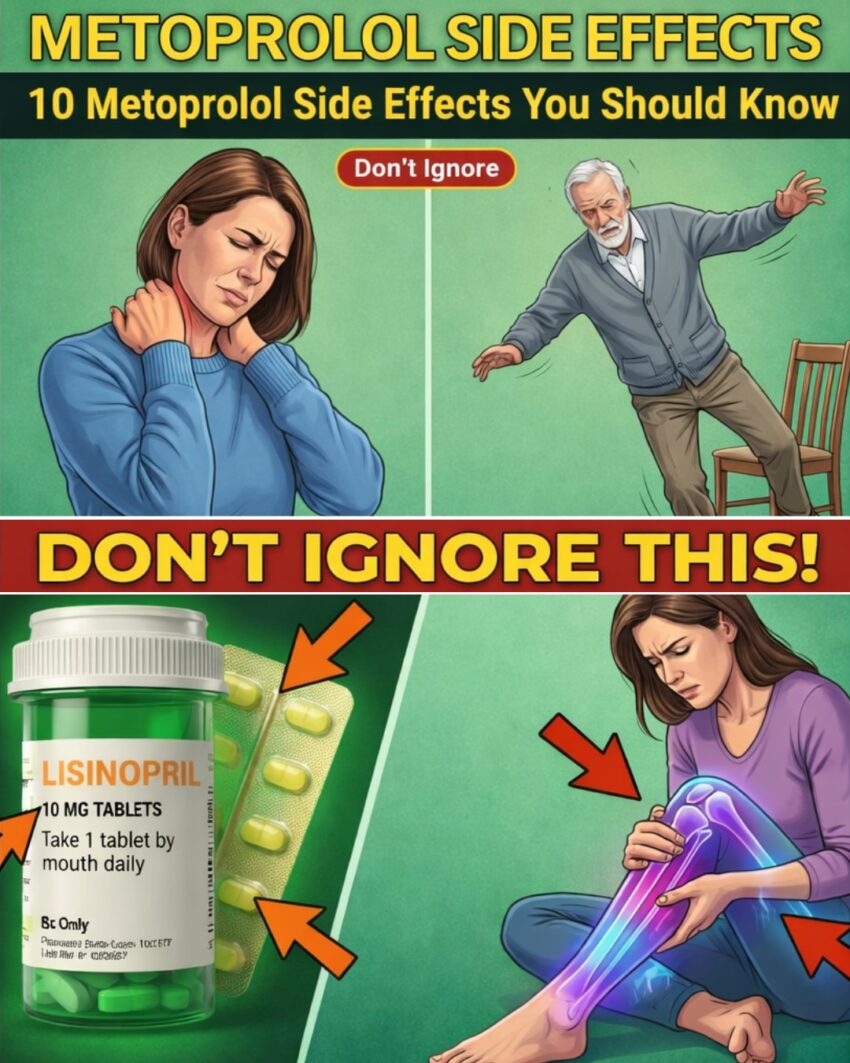
Metoprolol is a widely used beta-blocker prescribed for high blood pressure, angina, heart rhythm problems, and post-heart attack protection. Because it works by slowing the heart rate and reducing the heart’s workload, many of its side effects are predictable—but some are often under-discussed in everyday conversations or even clinical briefings.
Here are 10 metoprolol side effects that tend to be overlooked, especially in real-world discussions:
1. Persistent fatigue that feels “out of proportion”
Many people expect mild tiredness, but metoprolol can cause a deeper, lingering fatigue. It’s not just sleepiness—it can feel like reduced physical and mental energy throughout the day because the heart is being deliberately “damped down.”
2. Subtle depression or emotional flattening
Some users report a gradual drop in mood or emotional responsiveness. It’s not always full clinical depression, but more often a sense of emotional dullness or reduced motivation that can go unnoticed for weeks.
3. Vivid dreams and sleep disruption
Metoprolol can cross into the brain and affect sleep architecture. People sometimes experience unusually vivid dreams, fragmented sleep, or frequent awakenings—effects that are rarely linked back to the medication at first.
4. Reduced exercise capacity
Because it limits heart rate response, the body may not “ramp up” during exertion. This can make workouts feel harder, with earlier fatigue and less stamina, even in previously active individuals.
5. Cold hands and feet
A less-discussed but common effect is peripheral vasoconstriction. Reduced circulation to extremities can leave hands and feet feeling unusually cold, especially in cooler environments.
6. Sexual dysfunction
This includes reduced libido, erectile difficulties in men, and decreased arousal in women. It is often underreported because patients may not connect it to the medication.
7. Masking symptoms of low blood sugar
In people with diabetes, metoprolol can hide warning signs of hypoglycemia such as rapid heartbeat and tremors. This makes low blood sugar episodes harder to detect early.
8. Dizziness when standing (orthostatic effects)
A drop in heart rate and blood pressure regulation can cause lightheadedness when standing up quickly. Some people adapt, but others continue to experience occasional near-fainting sensations.
9. Weight changes (often gradual and confusing)
Metoprolol may contribute to modest weight gain in some users, partly through reduced activity tolerance and metabolic effects. The change is usually slow and easy to misattribute to lifestyle factors.
10. Bronchial tightness in sensitive individuals
Although more common with older beta-blockers, metoprolol can still cause mild airway narrowing in susceptible people, particularly those with asthma or reactive airways. This can feel like shortness of breath during exertion.
A key takeaway
What makes these side effects “overlooked” isn’t that they are rare—it’s that they often develop gradually or mimic everyday stress, aging, or lifestyle changes. That makes them easy to miss unless someone actively connects the pattern to the medication.
If you want, I can also break down:
- which of these are dose-related vs. idiosyncratic
- how they differ between metoprolol tartrate vs. succinate
- or what alternatives doctors commonly consider when these effects become problematic
