Gout and joint pain can overlap, but they’re not the same thing—so the most effective “natural relief” depends on the cause.
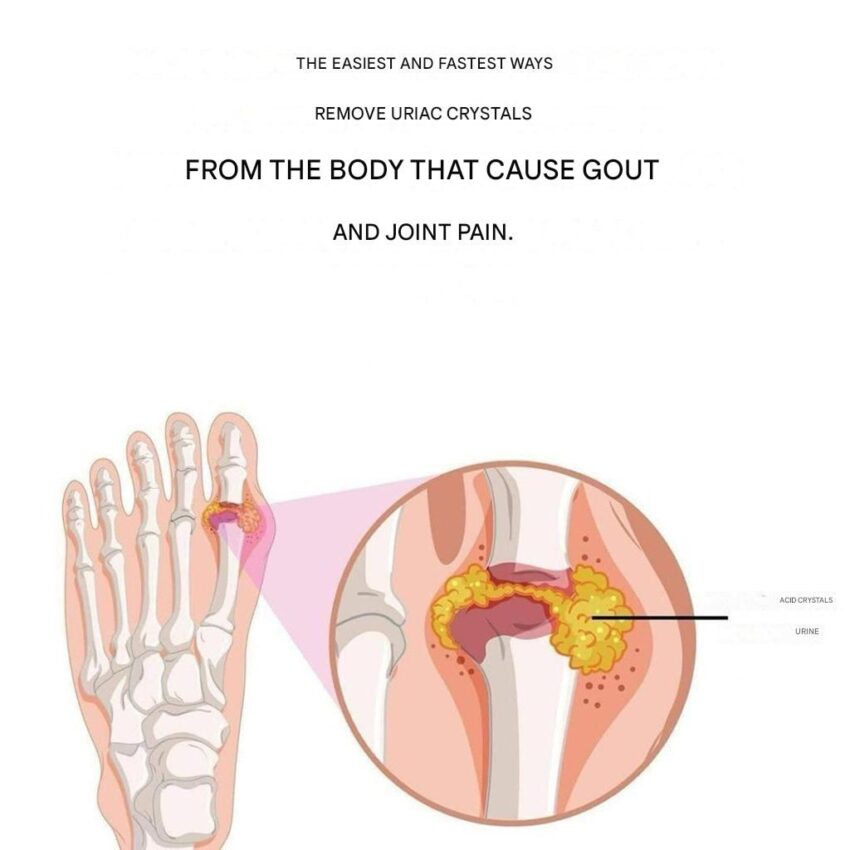
Gout is caused by uric acid crystal buildup in joints, while general joint pain can come from inflammation, wear-and-tear (arthritis), injury, or autoimmune issues.
Here are safe, evidence-based natural ways to relieve symptoms:
🌿 For gout (high uric acid flare-ups)
1. Hydration (very important)
- Drink plenty of water
- Helps kidneys flush uric acid faster
2. Reduce high-purine foods
Limit:
- Red meat and organ meats
- Sardines, anchovies, shellfish
- Beer and alcohol (especially beer)
3. Eat more uric-acid-friendly foods
- Cherries or cherry juice (some evidence for fewer flare-ups)
- Low-fat dairy (may help lower uric acid)
- Vegetables, whole grains
4. Cold compress
- Apply ice pack to affected joint 10–15 minutes
- Helps reduce swelling and pain
🦴 For general joint pain (inflammation or arthritis-type pain)
5. Gentle movement
- Walking, stretching, swimming
- Keeps joints lubricated and reduces stiffness
6. Anti-inflammatory foods
- Fatty fish (omega-3s)
- Olive oil
- Nuts, seeds
- Turmeric and ginger (mild anti-inflammatory effects)
7. Weight management (if applicable)
- Reduces stress on knees, hips, and ankles
8. Heat therapy (for stiffness)
- Warm compress or bath
- Helps relax tight muscles around joints
⚠️ Important reality check
- Gout is a medical condition, not just “diet-related pain”
- Severe or repeated attacks often need medication (like urate-lowering therapy)
- Ignoring gout can lead to joint damage over time
🚨 When to see a doctor
- Sudden severe joint swelling (especially big toe, ankle, knee)
- Fever with joint pain
- Recurrent attacks
- Pain lasting more than a few days
Bottom line
Natural methods can reduce symptoms and support recovery, but gout control often requires both diet + medical management for long-term prevention.
If you want, I can give you a 1-day gout flare diet plan or a foods-to-avoid cheat sheet that’s easy to follow.
