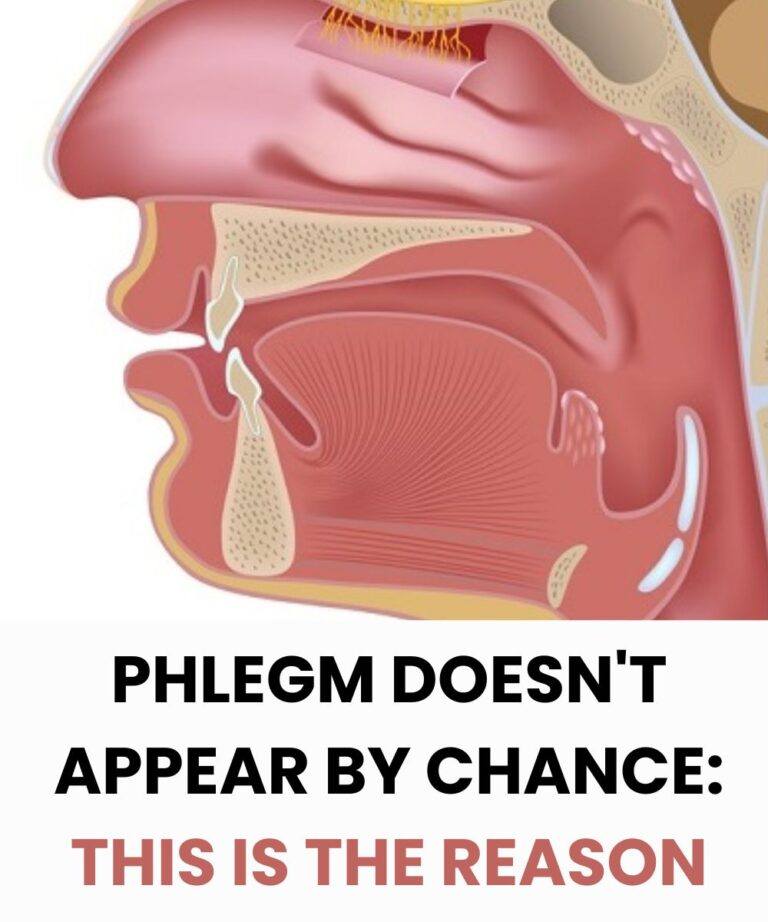
Here’s a detailed guide on how to relieve and reduce phlegm in the throat effectively and safely:
🤧 How to Relieve and Reduce Phlegm in the Throat
Phlegm buildup is a common symptom caused by colds, allergies, sinus infections, smoking, or irritants. While it’s usually harmless, excessive phlegm can be uncomfortable, cause coughing, and affect breathing.
1. Stay Hydrated 💧
- Drink plenty of water, herbal teas, and broths.
- Hydration thins mucus, making it easier to expel.
- Warm liquids like ginger tea or lemon water are especially soothing.
2. Steam Inhalation 🌫️
- Inhaling warm steam loosens mucus and clears nasal passages.
- Add a few drops of eucalyptus or peppermint oil for extra relief.
- Method: Boil water, pour into a bowl, lean over it with a towel over your head, inhale deeply for 5–10 minutes.
3. Saltwater Gargle 🧂
- Mix ½ teaspoon salt in a glass of warm water.
- Gargle 2–3 times a day to soothe the throat and reduce phlegm buildup.
4. Use a Humidifier 💨
- Dry air can make mucus thicker and harder to clear.
- Using a humidifier in your bedroom adds moisture to the air, helping to keep phlegm loose.
5. Diet Adjustments 🥗
- Avoid dairy or high-sugar foods if they increase mucus for you.
- Include anti-inflammatory foods: ginger, garlic, turmeric, citrus fruits, and honey.
- Spicy foods like chili peppers can sometimes help thin mucus.
6. Over-the-Counter Options 💊
- Expectorants (like guaifenesin) help thin mucus, making it easier to cough up.
- Decongestants reduce nasal congestion that can contribute to post-nasal drip.
7. Good Habits to Reduce Phlegm
- Avoid smoking and exposure to secondhand smoke.
- Wash hands frequently to prevent infections.
- Keep allergens and irritants like dust and strong fumes away.
- Practice nasal irrigation (saline sprays or neti pots) to flush out mucus.
🟢 When to See a Doctor
- Phlegm is green, bloody, or has a foul smell.
- Persistent phlegm lasting more than 3 weeks.
- Associated with shortness of breath, chest pain, or fever.
🟢 Bottom Line
Hydration, steam inhalation, saltwater gargles, diet adjustments, and maintaining a clean, humid environment are safe, effective ways to reduce and relieve phlegm. These natural methods combined with proper hygiene usually resolve symptoms quickly.
If you want, I can make a 7-day natural phlegm-relief plan with specific drinks, foods, and home remedies for maximum relief.
