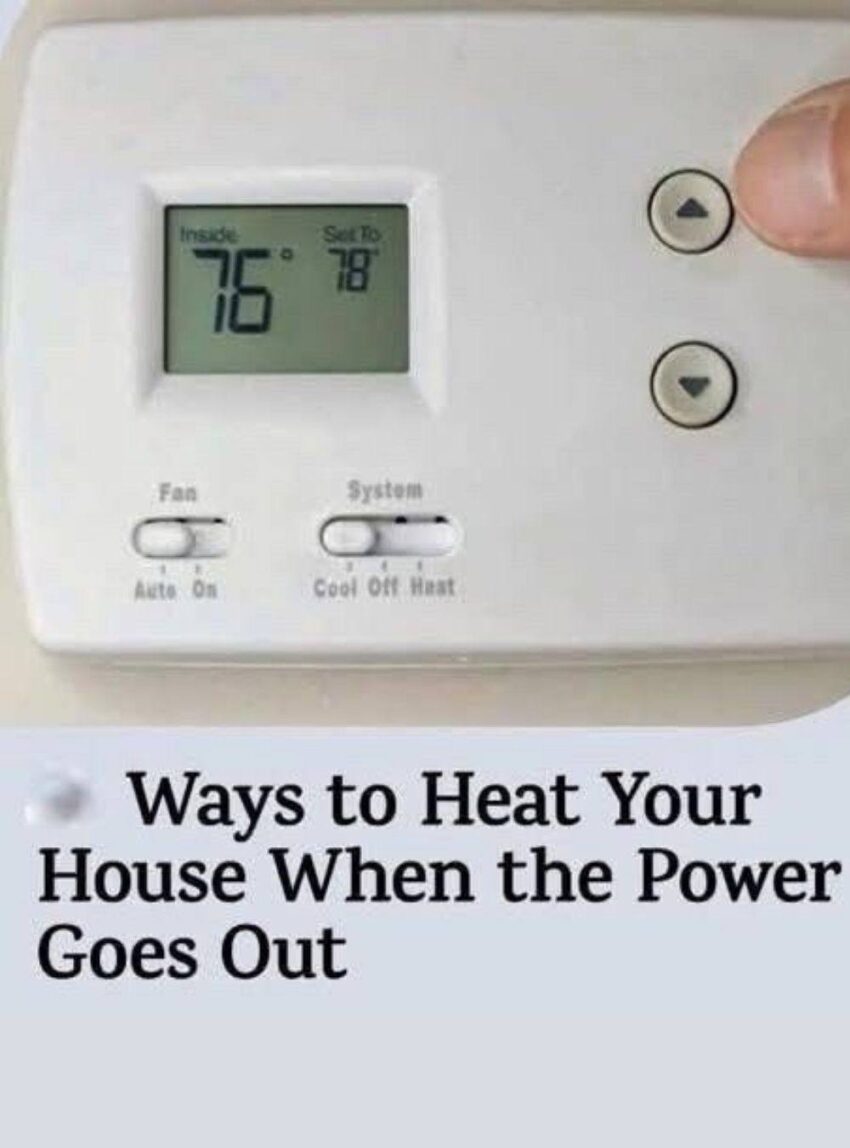
If your electricity goes out in winter, staying warm becomes a priority—but safety is just as important as heat. Here’s a clear, practical guide to safe and reliable ways to heat your home during an emergency.
🔥 Safe Ways to Heat Your Home Without Electricity
🪵 1. Wood-Burning Fireplace or Stove
- A fireplace or wood stove is one of the most reliable emergency heat sources.
- Use dry, seasoned wood for better heat and less smoke.
- Keep the chimney/flue open and ventilated.
⚠️ Never leave fires unattended, and keep flammable items away.
🔥 2. Gas Fireplace (Non-Electric Ignition)
- Some gas fireplaces work without electricity.
- If yours has a manual ignition, it can provide steady heat.
⚠️ Ensure proper ventilation and check for gas leaks.
🕯️ 3. Emergency Indoor-Safe Heaters
- Use only heaters specifically designed for indoor use, such as:
- Propane heaters labeled “indoor-safe”
- Catalytic heaters
⚠️ Always:
- Keep a window slightly open for airflow
- Use a carbon monoxide detector
🏕️ 4. Camping Stove (Limited Use)
- Can be used briefly to heat water or food, which helps warm you.
⚠️ Do NOT use continuously for heating—risk of carbon monoxide poisoning.
🚫 Dangerous Methods to Avoid
These are common but deadly mistakes:
- ❌ Charcoal grills indoors
- ❌ Gas ovens or stoves used for heating
- ❌ Running a car in a garage (even if door is open)
- ❌ Outdoor propane heaters inside
👉 These can cause carbon monoxide poisoning, which is silent and deadly.
🧥 Passive Ways to Stay Warm
🏠 5. Seal and Insulate One Room
- Close off unused rooms
- Use towels/blankets to block drafts under doors
- Stay in one “warm room” to conserve heat
🛏️ 6. Layer Up and Use Blankets
- Wear multiple layers (including hats and socks)
- Use sleeping bags or heavy blankets
- Share body heat if possible
☀️ 7. Use Natural Heat
- Open curtains during the day for sunlight
- Close them at night to trap heat
🧱 8. DIY Heat Retention Tricks
- Place rugs on floors
- Cover windows with plastic or blankets
- Build a small “tent” area with blankets to trap body heat
⚠️ Essential Safety Tips
- Install or use a carbon monoxide detector if possible
- Never sleep with unsafe heating sources running
- Keep a fire extinguisher nearby
- Stay hydrated and eat regularly (your body needs fuel to stay warm)
✅ Emergency Preparedness (Before It Happens)
- Stock up on:
- Firewood or propane
- Blankets and warm clothing
- Flashlights and batteries
- Know how your heating systems work without power
🧠 Bottom Line
The safest emergency heating options are:
✔️ Wood stoves/fireplaces
✔️ Indoor-safe propane heaters
✔️ Properly ventilated gas fireplaces
And just as important:
👉 Avoid unsafe heat sources and focus on insulation + body warmth
If you want, I can tailor this for your specific home setup (apartment vs house, gas vs electric, etc.) and give you the safest plan for your situation.
