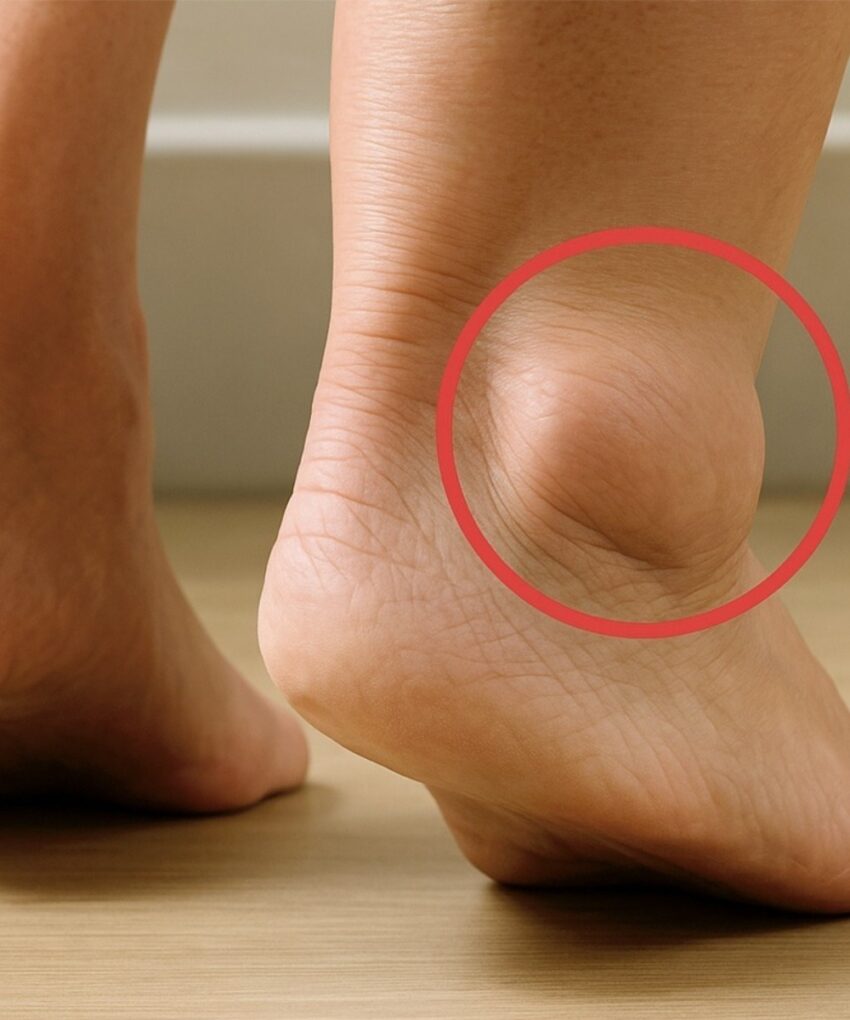
Swollen feet (also called foot edema) is not a disease by itself—it’s a symptom that can happen for many different reasons, ranging from harmless to medically serious. What it can indicate depends on how, when, and why it happens.
Here’s a clear breakdown of what foot swelling may be a sign of:
Common (usually harmless or temporary) causes
1. Standing or sitting too long
When you stay in one position for hours, gravity causes fluid to pool in the feet and ankles. This is very common in:
- Long travel (bus/plane)
- Standing jobs
- Desk work without movement
2. High salt intake
Too much salt makes your body retain water, which can show up as swelling in the feet, hands, or face.
3. Heat and weather
Hot weather naturally causes blood vessels to expand, allowing more fluid to leak into surrounding tissues.
4. Minor injury or overuse
Sprains, strains, or long walks/runs can cause localized swelling.
Medical conditions that can cause foot swelling
1. Venous insufficiency
When veins in the legs don’t return blood efficiently to the heart, fluid builds up in the lower legs and feet.
Common signs:
- Swelling worse in the evening
- Aching or heaviness in legs
- Visible varicose veins
2. Heart problems (heart failure)
If the heart is not pumping effectively, fluid can back up in the body, often starting in the feet and ankles.
Warning signs:
- Swelling in both feet/legs
- Shortness of breath
- Fatigue
3. Kidney disease
The kidneys regulate fluid and salt balance. When they are not working properly, fluid retention can occur.
May include:
- Puffy feet, face, or hands
- Changes in urination (less or foamy urine)
4. Liver disease
Low protein (albumin) production can lead to fluid leaking into tissues.
5. Lymphedema
Blockage in the lymphatic system causes persistent swelling, often in one or both limbs.
6. Blood clot (deep vein thrombosis – DVT)
A more urgent cause, usually affecting one leg.
Signs:
- One-sided swelling
- Pain, warmth, redness
Medication-related causes
Some medicines can cause swelling, such as:
- Blood pressure drugs (especially calcium channel blockers)
- Steroids
- Anti-inflammatory painkillers (NSAIDs)
- Hormonal medications
When foot swelling is more concerning 🚩
You should get medical attention if swelling is:
- Sudden or severe
- Only in one leg
- Painful, red, or warm
- Accompanied by chest pain or shortness of breath
- Persistent or worsening over days/weeks
Simple takeaway
- Mild, occasional swelling → usually lifestyle-related
- Persistent or one-sided swelling → may indicate circulation, heart, kidney, or clot issues
- Swelling with other symptoms → needs medical evaluation
If you want, tell me:
- Is it one foot or both?
- When does it get worse (morning/evening)?
- Any pain or redness?
I can help narrow down the most likely cause.
