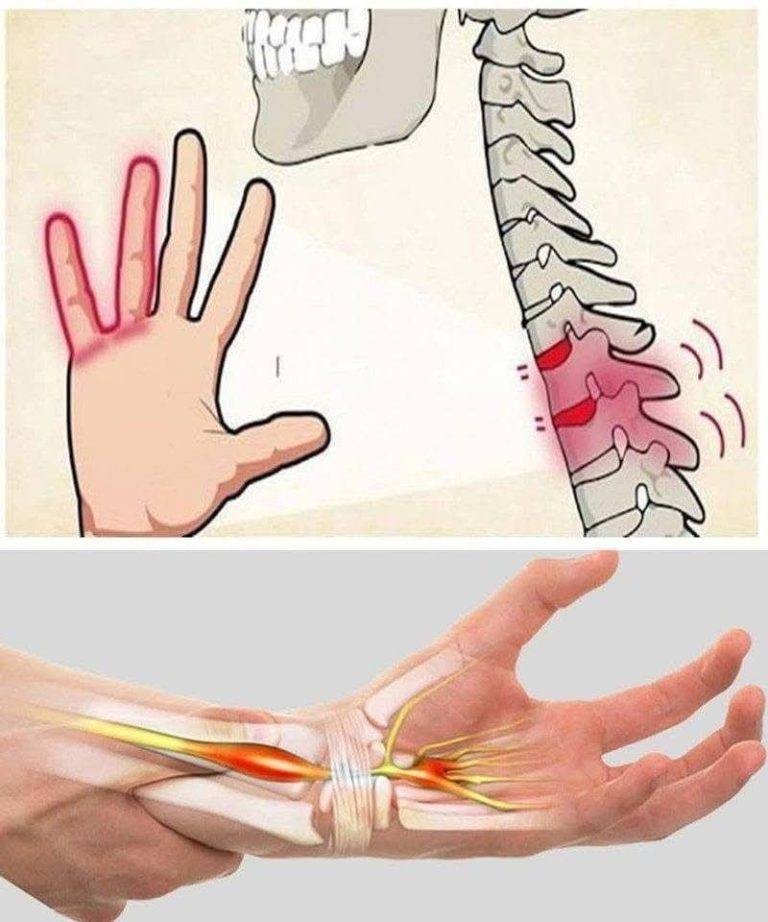
If your hands “fall asleep” (tingling, numbness, or pins-and-needles sensation), it’s usually a sign that nerves or blood flow are being affected. While occasional numbness can be harmless, frequent episodes may indicate underlying issues.
Common Causes
1. Nerve Compression
- Carpal Tunnel Syndrome – Compression of the median nerve in the wrist; causes numbness in thumb, index, and middle fingers
- Cervical Spine Issues – Herniated discs or nerve compression in the neck can radiate to hands
2. Poor Circulation
- Sitting or sleeping in one position can temporarily restrict blood flow, causing hands to “fall asleep”
3. Vitamin or Mineral Deficiencies
- Low B12 or other nutrients can cause tingling in hands and feet
4. Diabetes or Prediabetes
- High blood sugar can damage peripheral nerves (peripheral neuropathy), leading to numbness or tingling
5. Other Medical Conditions
- Hypothyroidism
- Autoimmune disorders (like rheumatoid arthritis)
- Certain medications can also cause nerve symptoms
When to See a Doctor
- Numbness is frequent or persistent
- Accompanied by pain, weakness, or swelling
- Spreads to other parts of the body
- Interferes with daily activities
💡 Tip:
- Try gentle hand and wrist stretches if it happens occasionally
- Avoid prolonged pressure on hands or wrists
⚠️ Bottom line:
Occasional “falling asleep” is usually harmless, but frequent numbness can be a sign of nerve, circulation, or systemic issues—so it’s worth getting checked.
I can also give you a list of simple at-home exercises and habits that help prevent hand numbness if you want.
