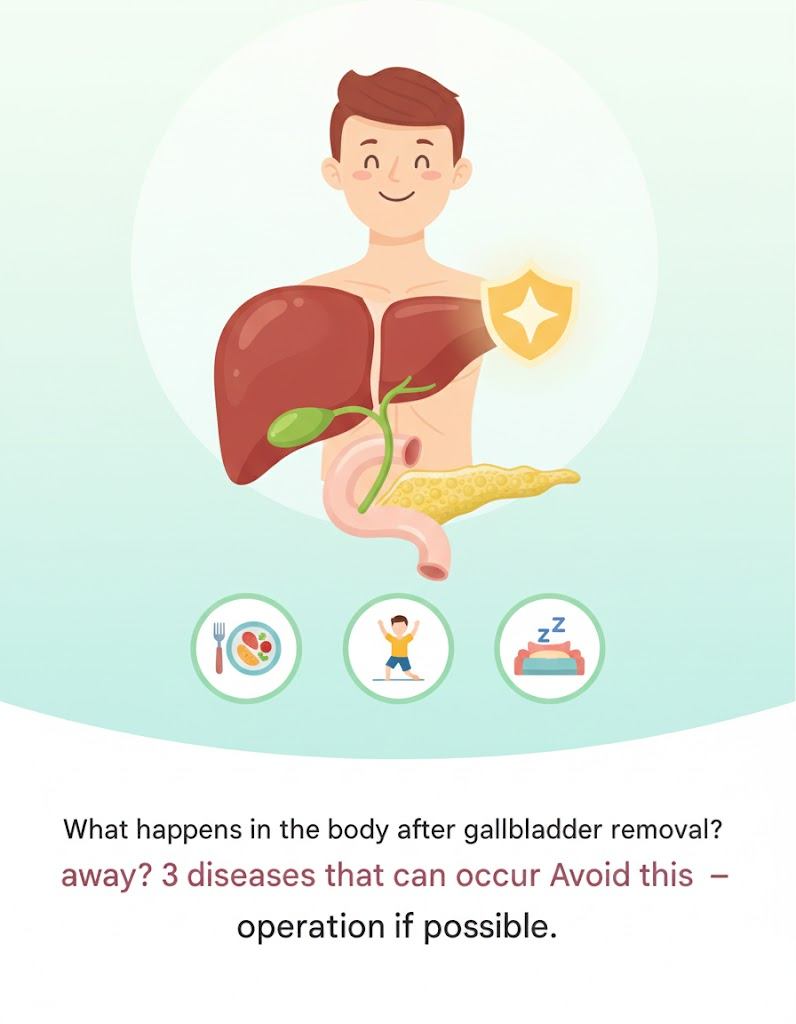
Gallbladder removal (cholecystectomy) is common and generally safe, but it does come with some long-term consequences that are less widely discussed. Understanding these can help you anticipate and manage possible changes in digestion, metabolism, and gut health.
🩺 Little-Known Consequences of Gallbladder Removal
1. Changes in Fat Digestion
- The gallbladder stores and concentrates bile, which helps digest fats. After removal:
- Bile flows continuously into the intestines, rather than being released in bursts.
- Some people notice looser stools, diarrhea, or fatty stool (steatorrhea) after eating high-fat meals.
- Management: Eat smaller, low-to-moderate fat meals, and gradually reintroduce healthy fats.
2. Increased Risk of Bile Acid Diarrhea
- Up to 10–15% of patients experience persistent diarrhea due to excess bile acids in the colon.
- Symptoms: Frequent, watery stools, urgency, or bloating.
- Treatment: Your doctor may recommend bile acid–binding medications.
3. Digestive Discomfort
- Some experience bloating, gas, or indigestion for weeks to months after surgery.
- Tips: Avoid very greasy, spicy, or large meals initially; eat slowly and chew thoroughly.
4. Possible Nutrient Absorption Issues
- Fat-soluble vitamins (A, D, E, K) may be absorbed less efficiently in some people.
- Monitoring: Periodic lab checks and supplementation may be advised if deficiencies occur.
5. Increased Risk of Certain GI Conditions
- Studies suggest a small increase in risk for:
- Gastroesophageal reflux (GERD)
- Irritable bowel–type symptoms
- Rarely, colon or small intestine changes due to altered bile flow
6. Changes in Gut Microbiome
- Continuous bile flow can alter gut bacteria, potentially influencing digestion and immune function.
- Some research is investigating links to metabolic changes or gut inflammation over time.
7. Metabolic Changes
- A few studies suggest slightly increased risk of weight gain, insulin resistance, or cholesterol changes post-surgery, though results are mixed.
- Lifestyle management (diet, exercise) is particularly important.
✅ Tips for a Smooth Recovery & Long-Term Health
- Gradually reintroduce fats into your diet; focus on healthy fats (olive oil, avocado, nuts).
- Eat smaller, more frequent meals to help digestion.
- Monitor bowel patterns and discuss persistent diarrhea or discomfort with your doctor.
- Check nutrient levels (especially fat-soluble vitamins) if symptoms persist.
- Stay active and maintain a healthy weight to reduce metabolic risks.
Bottom line: Most people do well after gallbladder removal, but being aware of these potential consequences can help you adjust your diet and lifestyle for optimal digestion and overall health.
If you want, I can make a concise “what to eat and what to avoid” guide after gallbladder removal that minimizes digestive issues and supports nutrient absorption.
