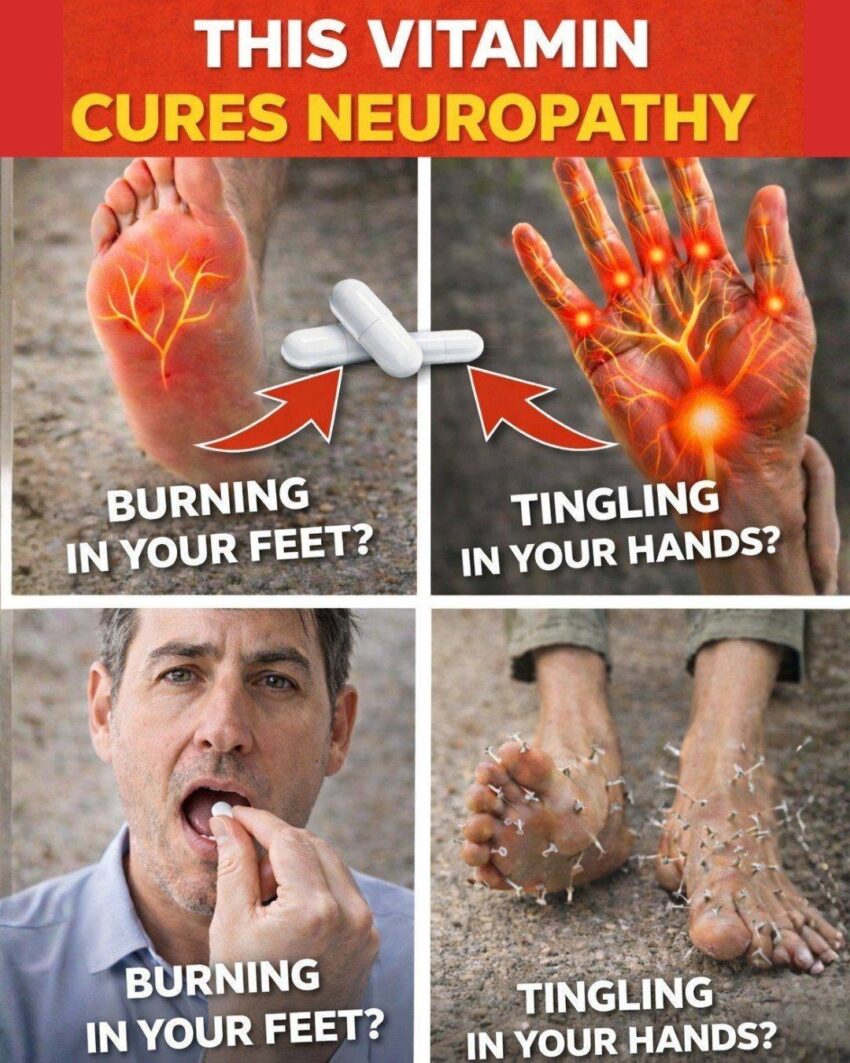
There isn’t a single “#1 vitamin” that transforms neuropathy or nerve damage. That kind of headline is oversimplified. Neuropathy has many causes, and the right nutrient depends entirely on why the nerves are damaged.
That said, a few vitamins are genuinely important for nerve health:
Vitamin B12 (cobalamin)
This is the most important one to check first. A B12 deficiency can directly cause numbness, tingling, burning pain, and even balance problems that mimic neuropathy. In those cases, correcting the deficiency can significantly improve symptoms—and sometimes reverse damage if caught early.
Vitamin B1 (thiamine)
Low B1 is linked to nerve pain and neuropathy, especially in people with diabetes, alcohol use, or poor nutrition. Benfotiamine (a B1 form) is often studied for nerve support.
Vitamin B6 (pyridoxine)
This one is tricky: both low and high levels can cause neuropathy. Excess B6 from supplements is actually a known cause of nerve damage, so more is not better.
Vitamin B9 (folate)
Works alongside B12 in nerve and blood health. Deficiency can contribute to neurological symptoms.
Important reality check
If neuropathy is caused by:
- Diabetes (most common)
- Nerve compression (like sciatica or carpal tunnel)
- Autoimmune disease
- Medication side effects
- Kidney disease
…then vitamins alone won’t “transform” it. They may support recovery, but they don’t replace treating the underlying cause.
What actually helps most
- Identifying the cause (blood tests + nerve evaluation)
- Tight blood sugar control (if diabetic)
- Physical therapy for nerve function and strength
- Pain management options when needed
- Targeted supplementation only if deficiency is confirmed
Bottom line
If someone is looking for the one vitamin worth checking first, it’s Vitamin B12—but only because deficiency is common and treatable, not because it’s a universal cure.
If you want, tell me your symptoms (or what caused the neuropathy), and I can narrow down what nutrients or treatments are actually most relevant in that situation.
