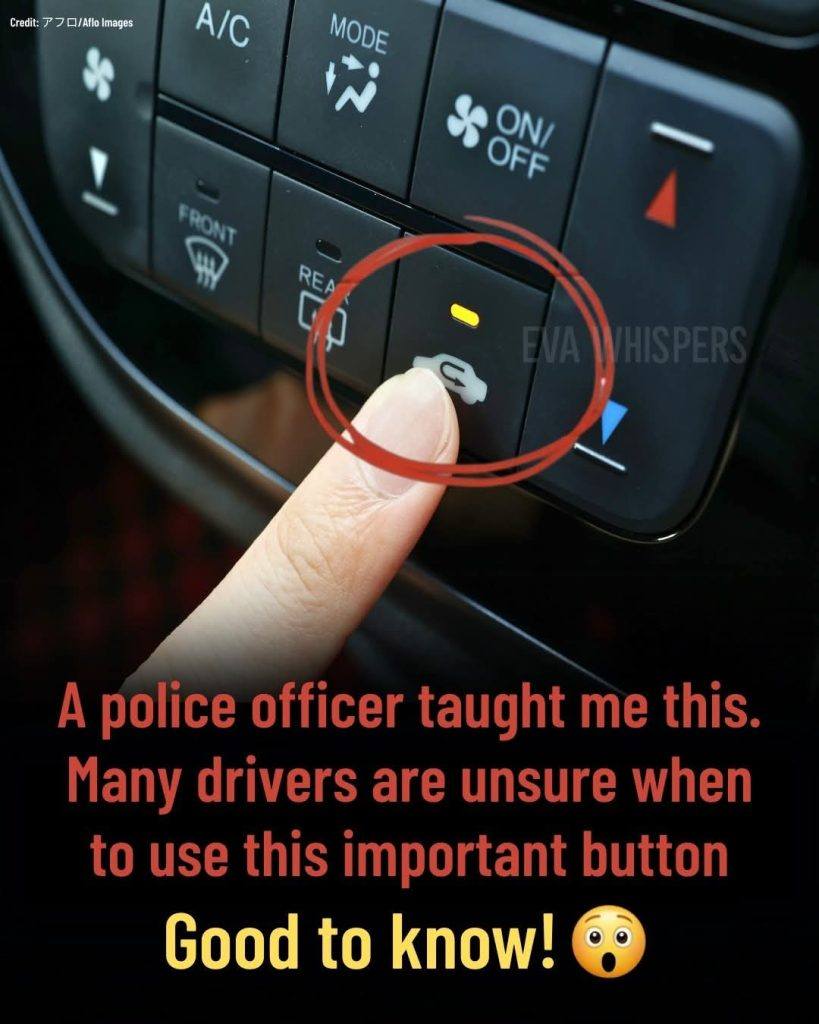
Most drivers stare straight past it every day: the little “trip” or “reset” button tucked into your dashboard or instrument cluster. It looks insignificant—but it’s quietly one of the most useful tools your car gives you.
What it actually does
That button usually controls your trip meter, a secondary odometer separate from your total mileage. With a quick press, you can reset it to zero and track distance for a specific journey.
Why it matters more than people think
1. Fuel tracking (and saving money)
Reset it when you fill up your tank. Next time you refuel, you’ll know exactly how far you drove on that tank—helping you calculate fuel efficiency and spot problems early.
2. Catching car issues early
If your usual distance per tank suddenly drops, it could point to:
- Underinflated tires
- Engine inefficiency
- Fuel system problems
That tiny button can be an early warning system.
3. Trip planning without apps
Even without GPS, you can track distances between stops—useful in areas with weak signal or when you just want a simple reference.
4. Maintenance timing
Many drivers use the trip meter to track intervals for oil changes or service milestones (e.g., reset after every 5,000 km).
The bigger idea
Modern cars are packed with digital features, but this is a low-tech tool that builds awareness. Drivers who use it tend to understand their vehicle better—fuel use, performance, and even driving habits.
Bottom line
That “ignored” button isn’t just a relic—it’s a practical, no-nonsense way to stay on top of your car’s health and your own driving efficiency. Next time you’re at the pump, give it a press—you’ll start noticing things you didn’t before.
