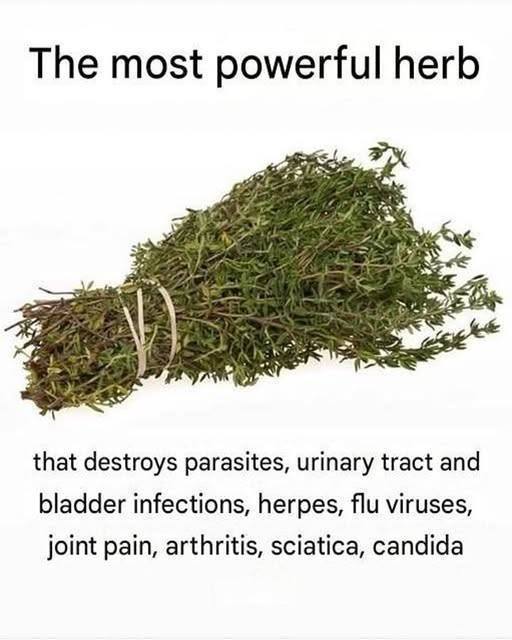
There isn’t a single “most potent herb” that reliably destroys parasites, urinary tract infections, bladder infections, herpes, and flu viruses all at once. Those are very different problems caused by different organisms (bacteria, viruses, protozoa, parasites), and they require different treatments. Some herbs do show activity in lab studies or help support the immune system, but none are a universal cure.
That said, here are some of the most researched herbs traditionally used against these issues:
🧄 1) Garlic (Allium sativum)
- Contains allicin, a strong antimicrobial compound
- Shows activity against bacteria, some parasites, and viruses (in lab settings)
- Often used as a general immune-supportive antimicrobial
- Limit: not a replacement for antibiotics in real infections
🌿 2) Oregano oil
- Rich in carvacrol and thymol
- Strong antibacterial and antifungal activity in studies
- Sometimes used for gut parasites and infections
- Very potent—can irritate stomach if misused
🌿 3) Berberine-containing herbs (e.g., barberry, goldenseal)
- Active against bacteria and some parasites
- Studied for gut infections and urinary pathogens
- Can interact with medications
🌿 4) Cranberry
- Not a treatment, but helps prevent UTIs by reducing bacterial adhesion to bladder walls
- Useful for recurrence prevention, not active infection cure
🌿 5) Wormwood (Artemisia absinthium)
- Traditionally used for intestinal parasites
- Contains strong bioactive compounds
- ⚠️ Can be toxic in high doses or long-term use
🌿 6) Andrographis
- Some evidence for reducing flu symptoms and viral replication activity
- Often used in respiratory infections
🌿 7) Elderberry (Sambucus nigra)
- Supports immune response in influenza and cold viruses
- Helps shorten symptom duration in some studies
🌿 8) Neem
- Broad antimicrobial and antiparasitic traditional use
- Evidence is mostly preclinical (lab/animal studies)
Important reality check
- Herpes (HSV) stays dormant in nerve cells; no herb eradicates it. Some may reduce outbreaks (like lemon balm or lysine support), but not cure it.
- UTIs/bladder infections are usually bacterial and often need antibiotics if active. Herbs like cranberry or D-mannose are preventive, not curative.
- Flu viruses are self-limiting in most healthy people; herbs may reduce severity, not “destroy” the virus.
- Parasites require proper diagnosis—treatment depends on the specific organism.
Bottom line
If you’re looking for the closest thing to a broad-spectrum natural antimicrobial, the most commonly cited are:
- Garlic
- Oregano oil
- Berberine herbs
But none are a universal “kill-all” remedy for infections.
If you want, tell me your exact symptoms (or what you’re trying to prevent), and I can suggest a more targeted and safe herbal approach.
