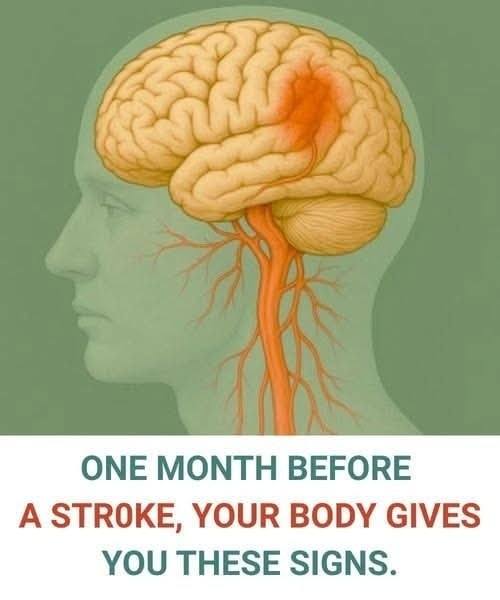
The phrase “early signs of a str0ke you shouldn’t ignore” is one of those headlines that is actually pointing to something very real—but it’s often oversimplified online.
A stroke happens when blood flow to the brain is interrupted, most commonly due to ischemic stroke or sometimes bleeding in the brain.
🚨 Early warning signs you should take seriously
Most stroke symptoms appear suddenly, not gradually. Key warning signs include:
FAST symptoms (most important)
- F – Face drooping: one side of the face feels numb or looks uneven
- A – Arm weakness: one arm drifts downward or feels weak
- S – Speech trouble: slurred speech or difficulty speaking/understanding
- T – Time to act: emergency care is needed immediately
Other important warning signs
- Sudden numbness or weakness in face, arm, or leg (especially one side)
- Sudden confusion or trouble understanding speech
- Sudden vision loss or double vision
- Sudden dizziness, loss of balance, or coordination
- Sudden severe headache with no known cause (more common in bleeding strokes)
⚠️ “Early signs” before a stroke (not always present)
Some people experience a temporary episode called a transient ischemic attack (TIA), which may include:
- Brief weakness or numbness
- Temporary speech difficulty
- Short vision loss
These symptoms usually resolve within minutes to hours—but they are a major warning that a full stroke risk is high.
🧠 Important reality check
- There is no guaranteed “early warning stage” days or weeks before a stroke
- Many strokes happen without any prior symptoms
- TIAs are the only true “warning event,” and they are medical emergencies themselves
🚑 Bottom line
If any FAST symptom appears—even if it goes away—treat it as an emergency and seek immediate medical help. Quick treatment can significantly reduce brain damage.
If you want, I can also explain how stroke symptoms differ from migraine or low blood sugar, since they’re commonly confused.
