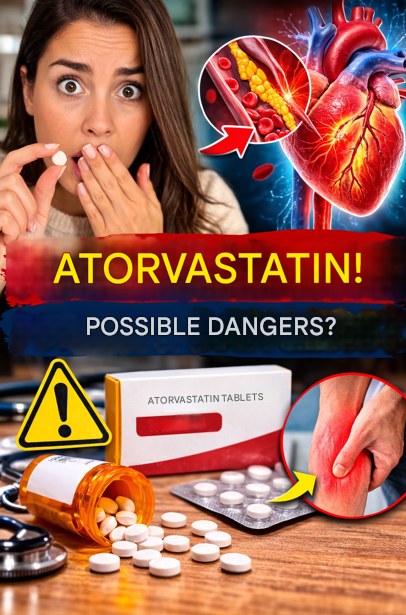
Atorvastatin is one of the most commonly prescribed medicines for lowering cholesterol and reducing the risk of heart attack and stroke. It belongs to a class called statins, which work by decreasing “bad” LDL cholesterol and stabilizing blood vessels. While it is highly effective for heart health management, it can cause side effects in some people. Understanding these effects helps you use it more safely and confidently.
Common side effects (usually mild)
Most people tolerate atorvastatin well, but some may notice:
- Muscle aches or mild soreness
- Headache
- Nausea or indigestion
- Mild fatigue
- Sleep disturbances
These symptoms often improve as your body adjusts to the medication.
Muscle-related effects (most important to watch)
Statins can sometimes affect muscles. This ranges from mild discomfort to rare but serious conditions:
- Myalgia: muscle pain without damage (most common)
- Myopathy: muscle weakness with elevated enzymes
- Rhabdomyolysis (rare): severe muscle breakdown that can affect kidneys
⚠️ Red flags:
- Severe or persistent muscle pain
- Dark-colored urine
- Unexplained weakness
If these occur, medical attention is needed promptly.
Liver-related effects
Atorvastatin can slightly increase liver enzymes in some people. Serious liver injury is rare, but monitoring is important:
- Symptoms to watch: yellowing of skin/eyes, dark urine, persistent fatigue, abdominal pain
Doctors often check liver function through blood tests, especially after starting treatment.
Blood sugar changes
In some patients, statins may slightly increase blood sugar levels, which can matter for people at risk of diabetes. However, the heart protection benefits usually outweigh this risk.
Less common effects
- Memory fog or confusion (rare and usually reversible)
- Allergic reactions (very rare)
- Digestive upset
Who may have higher risk of side effects?
- People taking higher doses
- Older adults
- Those with liver or kidney disease
- People taking certain interacting medications (e.g., some antibiotics or antifungals)
- Heavy alcohol use
How to reduce side effects safely
- Take it consistently as prescribed (with or without food)
- Avoid grapefruit juice (can increase drug levels)
- Report muscle pain early instead of stopping on your own
- Regular blood tests as recommended by your doctor
- Stay hydrated and maintain moderate physical activity
Why it is still widely used
Even with possible side effects, atorvastatin is strongly supported by evidence for reducing risk in conditions like Hyperlipidemia and preventing cardiovascular events. For most patients, the long-term heart protection benefit is significantly greater than the risks.
If you want, I can also break down whether your specific symptoms might be related to atorvastatin or explain safer cholesterol-lowering alternatives.
