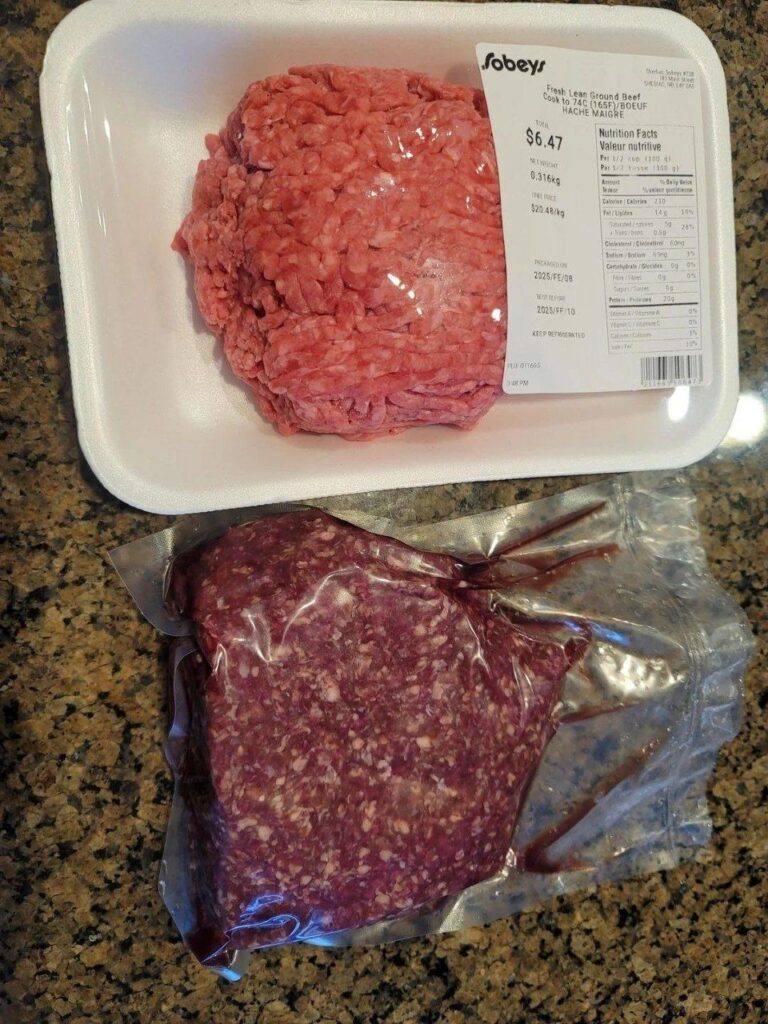
Understanding the Real Difference Between Store-Bought and Farm-Raised Beef
Beef is a staple in many diets, but not all beef is created equal. Store-bought beef and farm-raised beef can differ significantly in terms of nutrition, taste, environmental impact, and animal welfare. Understanding these differences can help you make healthier and more ethical choices.
1. Source and Rearing Practices
Store-Bought Beef
- Often comes from large-scale commercial operations.
- Cattle may be grain-fed, confined, and raised for fast growth.
- May include antibiotics and growth hormones to increase production.
Farm-Raised Beef
- Typically comes from smaller farms where cattle are raised on pasture or natural diets.
- Animals are often grass-fed, allowed to roam freely, and may not receive growth hormones.
- Farming practices often focus on animal welfare and sustainable agriculture.
2. Nutrition Profile
Store-Bought Beef
- Usually higher in total fat, including saturated fat, due to grain feeding.
- May contain fewer beneficial omega-3 fatty acids.
- Nutritional content can vary widely depending on the cut and farming practices.
Farm-Raised Beef
- Often leaner and richer in omega-3 fatty acids.
- Grass-fed beef may also contain higher levels of antioxidants like vitamin E.
- Can provide a better balance of healthy fats and nutrients.
3. Taste and Texture
Store-Bought Beef
- Grain-fed beef tends to have a milder flavor and more marbling, which can make it tender.
- Mass production methods sometimes result in less natural flavor complexity.
Farm-Raised Beef
- Grass-fed beef has a more distinct, robust flavor.
- Texture can be slightly firmer, but many people prefer the richer, natural taste.
4. Environmental Impact
Store-Bought Beef
- Large-scale operations can contribute to higher greenhouse gas emissions, deforestation, and water pollution due to intensive farming methods.
Farm-Raised Beef
- Smaller farms often use sustainable grazing practices, which can improve soil health and reduce environmental footprint.
- Pasture-raised cattle may support local ecosystems better than industrial operations.
5. Price and Availability
- Store-bought beef is widely available and often cheaper due to mass production.
- Farm-raised beef is typically more expensive because of higher-quality feed, natural rearing methods, and smaller-scale production.
Key Takeaways
- Nutrition: Farm-raised beef is often healthier, with more omega-3s and antioxidants.
- Taste: Grass-fed beef has a stronger, more natural flavor.
- Ethics & Environment: Farm-raised beef usually supports better animal welfare and sustainable farming practices.
- Cost: Store-bought beef is more affordable and convenient, while farm-raised beef is a premium choice.
✅ Bottom line: Choosing between store-bought and farm-raised beef depends on your budget, taste preference, health goals, and values. Whenever possible, look for grass-fed, pasture-raised, or locally sourced options for the most nutrient-dense and environmentally friendly choice.
If you want, I can make a simple comparison table highlighting all the differences between store-bought and farm-raised beef for quick reference. Do you want me to do that?
