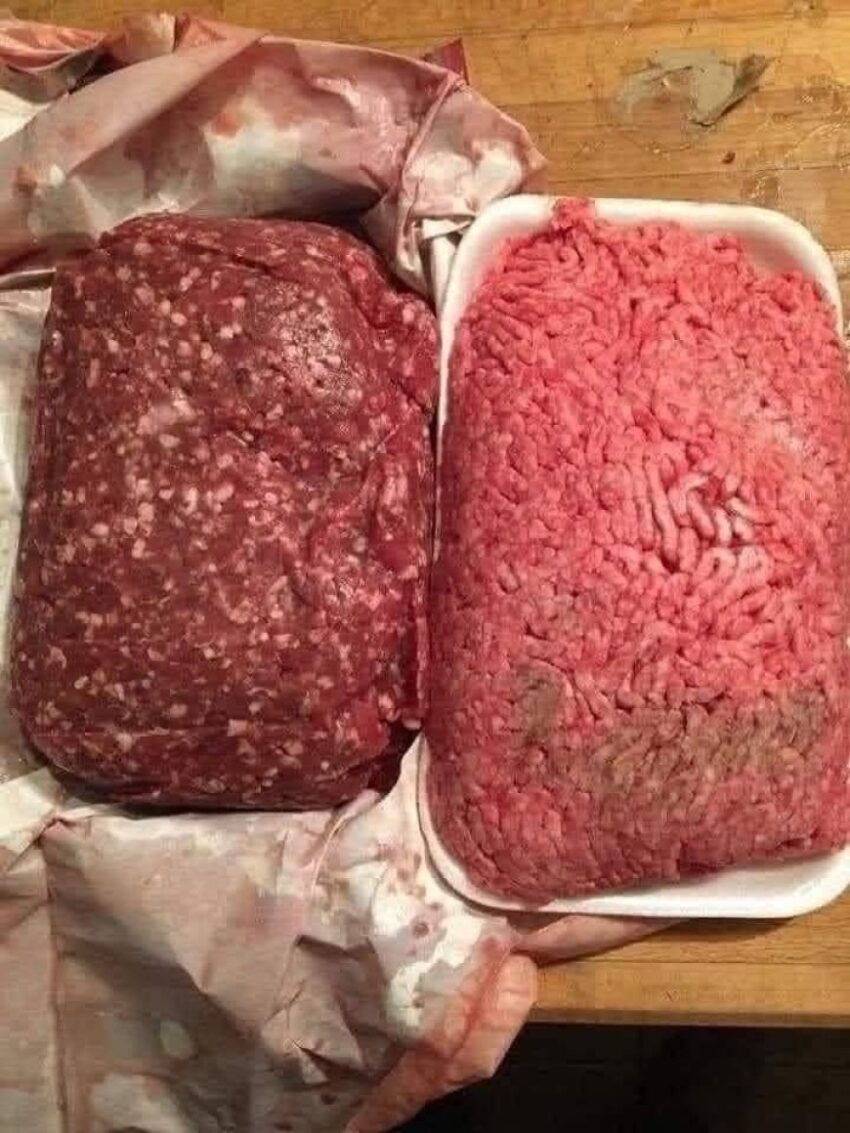
The “difference between store-bought beef and farm beef” is often exaggerated online, but there are real differences in processing, traceability, and handling—not in “quality by default.”
First mention: Beef
🥩 1. Source & production system
🏬 Store-bought beef
- Comes from large supply chains
- Often produced in feedlots or mixed systems
- Processed in regulated slaughterhouses
- Distributed through packaging companies and supermarkets
🚜 Farm-direct beef
- Bought directly from a farmer or small producer
- Animals may be grass-fed, pasture-raised, or mixed-fed
- Shorter supply chain (fewer middle steps)
🧊 2. Handling & freshness
Store beef
- May be chilled, vacuum-packed, or frozen
- Can be stored and transported longer distances
Farm beef
- Often processed in smaller batches
- Sometimes perceived as “fresher,” but still must be safely handled and chilled
🧪 3. Additives & processing
- Some store beef may be aged, packaged with protective gases, or trimmed for uniformity
- Farm beef is usually less standardized, but still follows food safety rules if legally sold
🧠 4. Nutrition differences (important truth)
- There is no huge nutritional difference in protein, iron, or calories
- Grass-fed beef may have:
- slightly more omega-3 fats
- different fat composition
- But overall differences are modest, not dramatic
💰 5. Price & consistency
- Store beef: consistent quality, grading system, easier availability
- Farm beef: may be more expensive or seasonal, but varies in taste and cut consistency
⚠️ Common myths online
- “Farm beef is always healthier” ❌
- “Store beef is full of chemicals” ❌
- “One is natural, one is unsafe” ❌ (both are regulated)
🧠 Simple takeaway
The main differences are production scale, handling, and sourcing—not a simple “good vs bad” quality gap. Both can be safe and nutritious when properly produced and cooked.
If you want, I can break down:
- grass-fed vs grain-fed beef in more detail
- or how to choose high-quality beef in a supermarket 👍
