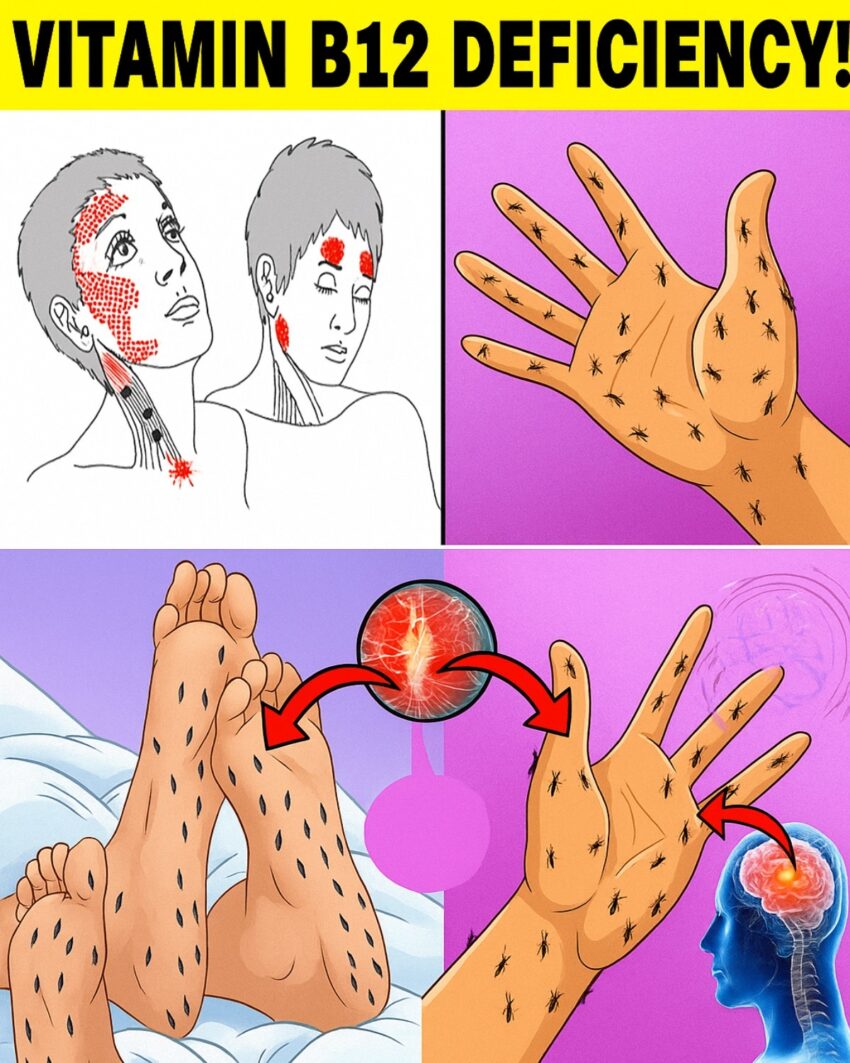
Vitamin B12 is essential for nerve health, red blood cell production, and energy metabolism. A deficiency can be subtle at first but can lead to serious long-term health issues if ignored. Here’s what to watch for:
🧠 Key Vitamin B12 Deficiency Symptoms
1. Fatigue or Weakness
- Feeling constantly tired even with adequate sleep.
- Occurs because B12 is crucial for red blood cell production, which carries oxygen.
2. Numbness or Tingling in Hands and Feet
- Also called peripheral neuropathy.
- Indicates nerve damage from low B12 levels.
3. Memory or Cognitive Issues
- Difficulty concentrating, brain fog, or short-term memory loss.
4. Pale or Jaundiced Skin
- Pale skin or a slight yellow tint due to impaired red blood cell formation.
5. Shortness of Breath or Dizziness
- Resulting from anemia caused by B12 deficiency.
6. Mood Changes
- Depression, irritability, or anxiety may develop over time.
7. Glossy, Swollen Tongue or Mouth Ulcers
- B12 deficiency can cause inflammation in the tongue and mouth sores.
8. Vision Problems
- Damage to the optic nerve may lead to blurred or disturbed vision.
9. Balance Problems
- Difficulty walking steadily due to nerve damage in the legs and feet.
⚠️ Who’s at Risk
- Older adults (absorption decreases with age)
- Vegetarians and vegans (B12 is mainly in animal products)
- People with digestive issues (Crohn’s, celiac, gastric bypass)
- Those on certain medications (like proton pump inhibitors or metformin)
✅ What to Do
- Get tested: Blood tests can check B12 levels.
- Supplement if needed: Oral B12, sublingual tablets, or injections (per doctor’s advice).
- Include B12-rich foods: Eggs, dairy, meat, fish, fortified cereals, or nutritional yeast.
🧠 Bottom Line
Vitamin B12 deficiency can start subtly but lead to nerve damage, cognitive decline, and anemia if ignored. Early detection and treatment are critical to prevent permanent complications.
I can also make a quick self-check guide for B12 deficiency symptoms to spot early warning signs at home. Do you want me to do that?
