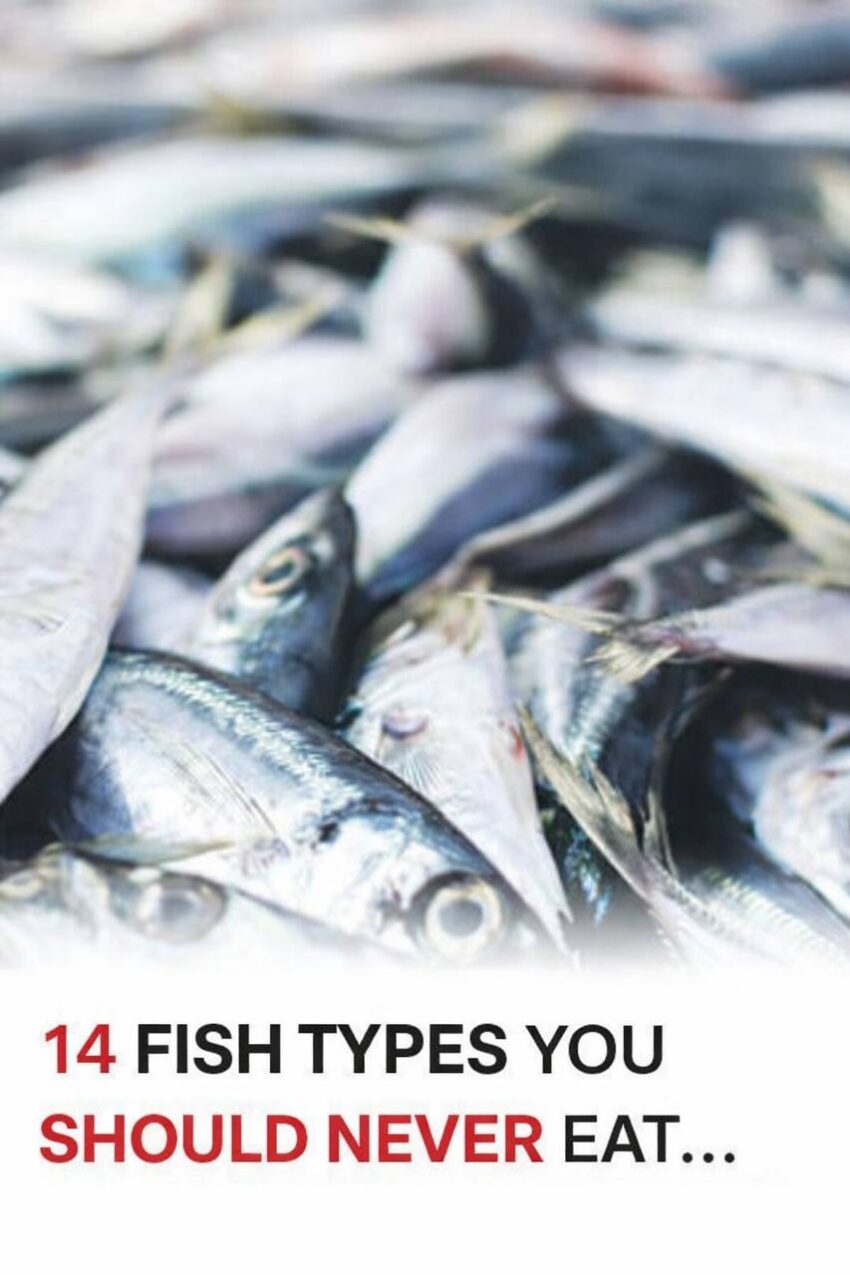
Here’s the real science‑based health alert about fish — especially if you’ve seen dramatic posts like “WARNING – STOP EATING THIS FISH IMMEDIATELY”. ⚠️ What matters most isn’t that all fish are dangerous, but which kinds and how often you eat them due to contaminants that accumulate in fish tissue — especially mercury and other heavy metals. (US EPA)
🧠 Why Some Fish Can Be Harmful
Fish are usually a healthy source of protein and omega‑3 fats, but contaminants can build up in their bodies over time — especially in large, long‑lived predatory fish:
- Certain toxins like mercury, PCBs (polychlorinated biphenyls), and heavy metals accumulate up the food chain. (EPA)
- Mercury in particular is a neurotoxin that can be harmful especially to developing brains (fetuses and young children). (U.S. Food and Drug Administration)
- You cannot tell if a fish is contaminated just by looking or smelling it — testing is needed. (US EPA)
🐟 Fish Often Highlighted as Unsafe (High Mercury / Contaminants)
Health authorities like the U.S. FDA and EPA recommend that some species — especially for pregnant women, children, breastfeeding mothers and frequent fish‑eaters — are avoided or sharply limited due to high mercury levels: (U.S. Food and Drug Administration)
Common high‑mercury fish to avoid or limit:
- Shark
- Swordfish
- King mackerel
- Tilefish
These species tend to accumulate mercury because they live longer and eat many smaller fish. (U.S. Food and Drug Administration)
🧠 Health Risks Linked to Eating High‑Mercury Fish
Eating fish with high mercury over time can lead to:
- Nervous system damage, especially in children and fetuses
- Cognitive and motor issues
- Kidney and immune system effects
- Worse outcomes with long‑term exposure
Mercury accumulates in the body and is not easily eliminated. (Healthline)
🐠 What Fish Are Usually Safer
Fish with lower mercury levels and fewer contaminants are generally better choices when eaten regularly:
- Salmon (wild or lower‑mercury types)
- Sardines
- Shrimp
- Cod
- Scallops
- Anchovies
These have lower levels of mercury compared with large predatory species. (WebMD)
🍽️ Practical, Evidence‑Based Tips
✔️ Eat a variety of fish — not just one type
✔️ Choose smaller or less predatory fish more often
✔️ If pregnant or feeding children, avoid those high‑mercury species entirely
✔️ Check local advisories for fish caught locally (rivers, lakes, coastlines) — contamination varies by region and water body. (US EPA)
🧠 Bottom Line (Science‑Backed)
🔹 You don’t need to stop eating all fish.
Fish is nutritious and beneficial — but frequent consumption of certain big predatory fish can pose a real health risk due to mercury and other contaminants. (U.S. Food and Drug Administration)
⚠️ The strongest warnings are for:
- Children
- Pregnant or breastfeeding women
- People who eat fish very frequently
In those cases, limiting or avoiding high‑mercury species and choosing safer fish regularly is the evidence‑based recommendation. (U.S. Food and Drug Administration)
If you want, I can give you a simple chart of safe vs. less safe fish (based on mercury levels and contaminants) so you know exactly what to choose at the market.
