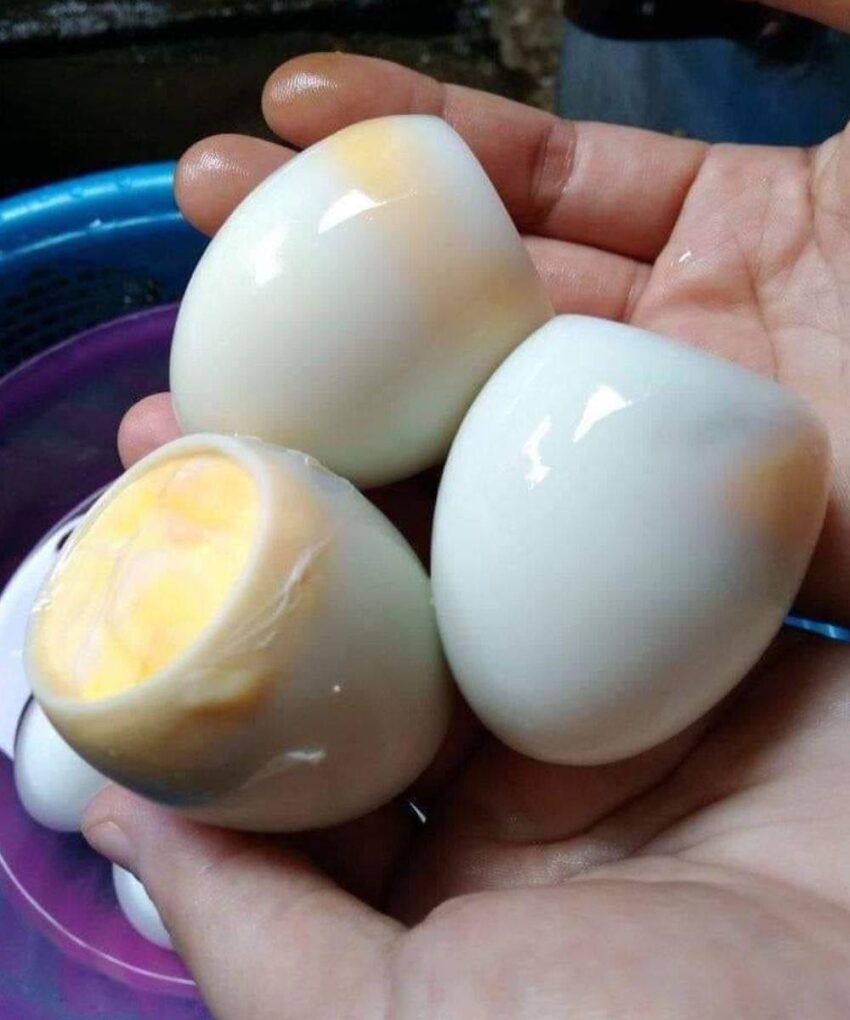
Eating a spoiled or rotten egg can lead to food poisoning, so it’s important to know the risks and what to do. 🥚⚠️
🦠 What Can Happen
1. Foodborne illness (Salmonella)
- Spoiled eggs may contain Salmonella bacteria
- Symptoms usually appear 6–48 hours after ingestion:
- Nausea
- Vomiting
- Diarrhea
- Stomach cramps
- Fever
2. Mild vs. severe cases
- Mild: Lasts 1–2 days; stay hydrated
- Severe: Can cause dehydration or require medical attention, especially in:
- Children
- Elderly
- Pregnant people
- Those with weakened immune systems
✅ What to Do Immediately
- Do not panic – not every spoiled egg causes illness
- Drink water – prevent dehydration
- Monitor symptoms – especially fever, severe vomiting, or bloody diarrhea
- Seek medical attention if symptoms are severe or persistent
⚡ How to Avoid Eating Spoiled Eggs
- Check expiration date
- Smell and inspect before cooking: bad eggs smell sulfuric or rotten
- Store eggs in the refrigerator at 4°C (40°F) or below
- Cook eggs thoroughly; fully cooked eggs kill bacteria
💡 Bottom line:
Eating a spoiled egg may cause food poisoning, but staying hydrated and monitoring symptoms is usually enough for mild cases. Severe symptoms require medical care.
If you want, I can give a quick tip to test if an egg is fresh or rotten before cooking, using just water and no equipment.
