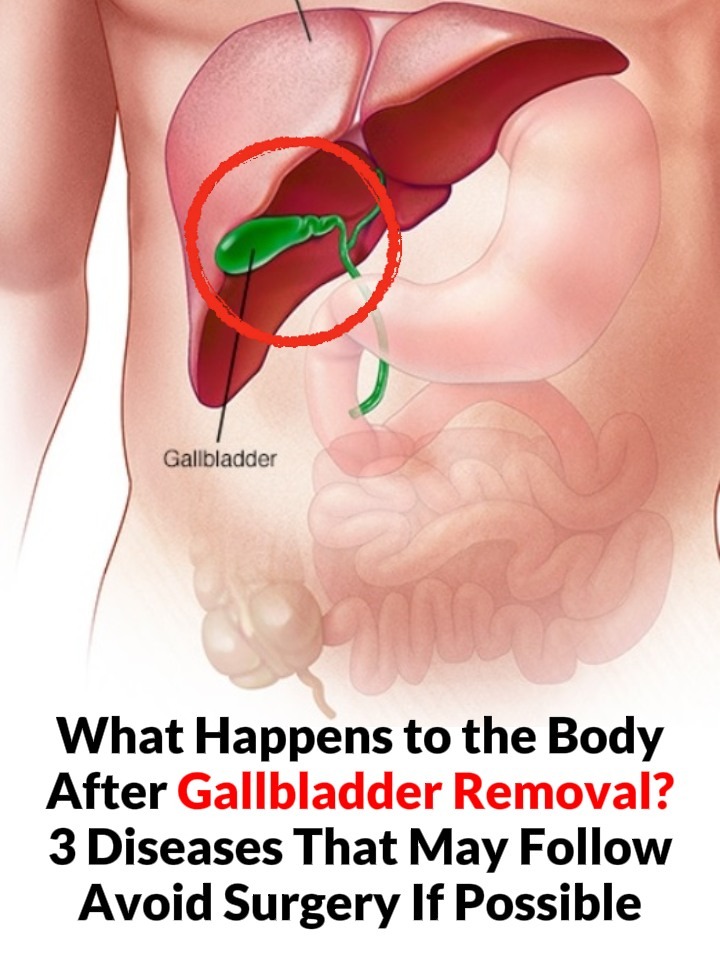
Gallbladder removal (cholecystectomy) is a very common surgery, and for many people it significantly improves quality of life—especially when they have gallstones causing pain, infection, or blocked bile ducts. However, it does change how digestion works, and a small number of people do develop ongoing symptoms afterward.
The idea in your title—“avoid surgery if possible”—is not always safe or accurate. In some cases, delaying needed gallbladder surgery can lead to serious problems like infection (cholecystitis), pancreatitis, or bile duct obstruction. Surgery is usually recommended when the risks of keeping the gallbladder are higher than removing it.
What changes after gallbladder removal?
The gallbladder normally stores and concentrates bile, releasing it in controlled amounts when you eat fatty food. After removal:
- Bile flows continuously from the liver into the intestine
- Digestion of fatty meals becomes less regulated
- Some people experience digestive sensitivity, especially in the early months
Most people adapt over time, but a minority develop ongoing issues.
3 conditions that may follow gallbladder removal
1) Postcholecystectomy Syndrome (PCS)
This is an umbrella term for symptoms that continue or appear after surgery, such as:
- Upper abdominal pain
- Bloating or indigestion
- Nausea
- Fatty food intolerance
Causes vary and may include bile duct issues, acid reflux, or unrelated stomach conditions that were already present before surgery.
2) Bile Acid Diarrhea (Chronic loose stools)
Without a gallbladder, bile can enter the intestines more continuously, which may:
- Irritate the colon
- Speed up bowel movements
- Cause chronic watery or urgent diarrhea (especially after fatty meals)
This is one of the more common long-term effects, but it can often be managed with diet changes or medications that bind bile acids.
3) Sphincter of Oddi Dysfunction (less common)
The sphincter of Oddi is a muscular valve controlling bile and pancreatic juice flow. After gallbladder removal, some people develop:
- Episodic upper abdominal pain
- Nausea
- Elevated liver or pancreatic enzymes in some cases
It’s relatively rare but can be difficult to diagnose and treat.
Important perspective
- Most people (around 80–90%) do well after gallbladder removal with minimal long-term issues.
- When complications occur, they are usually manageable.
- The bigger medical risk is often not removing a diseased gallbladder when surgery is actually needed.
When surgery is usually necessary
Doctors typically recommend gallbladder removal when there are:
- Recurrent painful gallstones
- Gallbladder inflammation (cholecystitis)
- Pancreatitis caused by gallstones
- Blocked bile ducts
Delaying surgery in these situations can lead to emergency complications.
If you want, I can also explain:
- how to reduce side effects after gallbladder removal
- diet plans for bile-related diarrhea
- or signs that surgery is truly necessary vs optional in borderline cases
