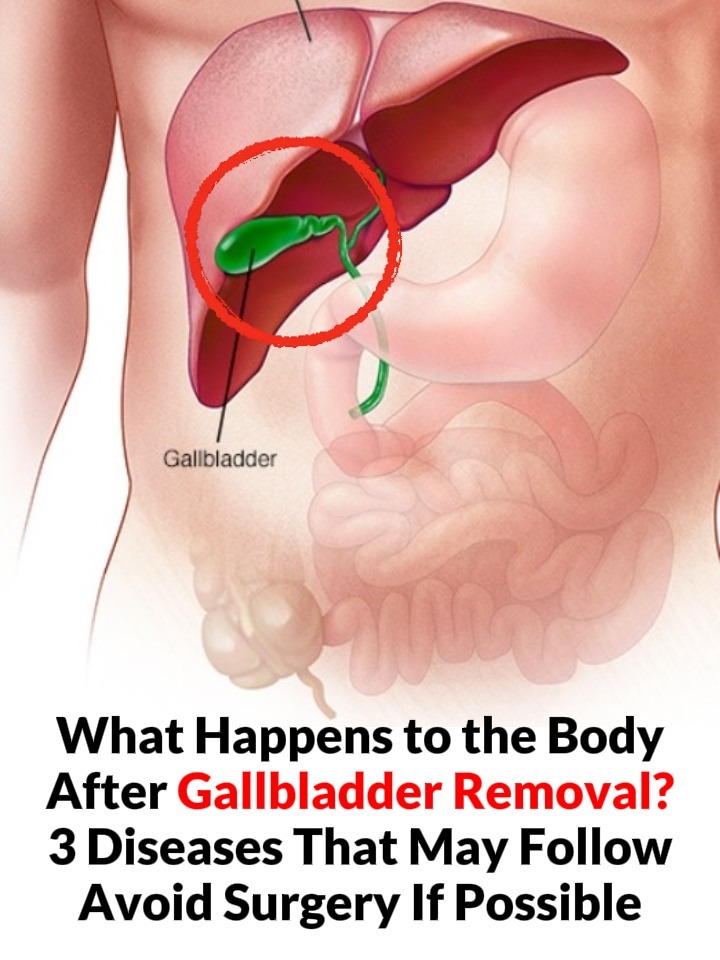
Gallbladder removal (cholecystectomy) is one of the most common surgeries worldwide, and for most people it works well long-term. The body can function without a gallbladder—but digestion changes, and a small group of people develop ongoing symptoms or related conditions afterward.
That said, the idea that you should “avoid surgery if possible” is not always medically safe. If the gallbladder is inflamed, infected, or filled with stones causing blockage, delaying surgery can actually lead to serious complications.
Here’s what actually happens and what problems can follow.
What changes after gallbladder removal
Your gallbladder normally stores bile (a digestive fluid) and releases it in controlled bursts after meals—especially fatty meals.
After removal:
- Bile flows continuously from the liver into the intestine
- There is less “storage control” of bile release
- Fat digestion still works, but becomes less regulated
Most people adapt within weeks to months.
Possible issues after surgery (the “3 main problem groups”)
1) Post-cholecystectomy syndrome
Postcholecystectomy syndrome
Some people continue to have symptoms like:
- Abdominal pain (upper right or central)
- Bloating or indigestion
- Nausea
- Fat intolerance
This is not one single disease—it’s a collection of symptoms that may come from bile flow changes, leftover stones, or unrelated digestive conditions.
2) Bile acid diarrhea
Bile acid diarrhea
Because bile flows more continuously into the intestine:
- Some people get frequent loose stools
- Urgency after eating, especially fatty meals
- This can be chronic but is treatable (often with bile-binding medications)
This is one of the most common true long-term effects.
3) Sphincter of Oddi dysfunction
Sphincter of Oddi dysfunction
A less common but more painful condition where the valve controlling bile/pancreatic flow spasms or becomes dysfunctional.
Possible symptoms:
- Severe upper abdominal pain
- Pain after eating
- Sometimes elevated liver or pancreatic enzymes
It can mimic gallbladder pain even after removal.
Other possible (less common or debated) effects
- Mild long-term digestive sensitivity to fatty foods
- Temporary gut microbiome changes
- Slightly increased risk of bile reflux gastritis in some people
- Rare nutritional absorption issues (usually minor)
Important reality check about “avoiding surgery”
It’s not accurate to assume gallbladder surgery should always be avoided.
Surgery is usually recommended when:
- Gallstones cause repeated pain (biliary colic)
- Gallbladder is inflamed (cholecystitis)
- There is blockage of bile ducts
- Risk of serious infection or rupture exists
In these cases, not operating can be more dangerous than operating.
Bottom line
- Most people live normally without a gallbladder
- A minority develop digestive or pain-related syndromes afterward
- These are usually manageable, not life-threatening
- Surgery is typically done because the untreated gallbladder problem itself can become far more dangerous than removal
If you want, I can also explain:
- Who is most likely to develop post-surgery symptoms
- How to reduce risks before or after gallbladder removal
- Or whether diet alone can realistically replace surgery in your specific situation
