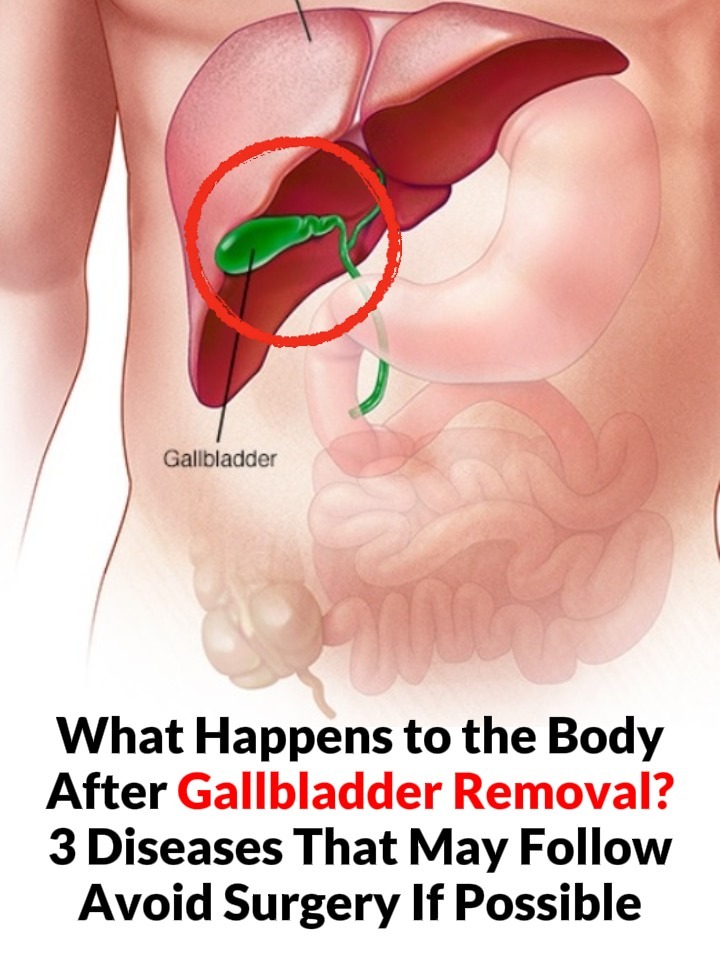
It’s a bit misleading to frame gallbladder removal as something that “should be avoided if possible.” In many cases—like repeated gallstones, infection, or blockage—surgery (Cholecystectomy) is the safest and most effective treatment. That said, removing the gallbladder does change how your body handles bile, and some people notice digestive or metabolic effects afterward.
What changes after gallbladder removal?
The gallbladder’s job is to store and concentrate bile, releasing it in bursts when you eat fatty foods. Without it:
- Bile flows continuously from the liver into the intestine
- Fat digestion becomes less efficient (especially large fatty meals)
- The gut may become more sensitive in some individuals
Most people adapt well within weeks to months, but a subset develops ongoing symptoms.
3 conditions that may occur afterward
1. Bile acid diarrhea
Some people develop chronic loose stools because bile constantly trickles into the intestines instead of being released in controlled amounts. This can irritate the colon.
- Often occurs soon after surgery
- Usually manageable with diet or medication
- Not dangerous, but can be uncomfortable
2. Postcholecystectomy syndrome
This is a broad term (Postcholecystectomy syndrome) for persistent symptoms like:
- Bloating
- Indigestion
- Abdominal pain
Sometimes it’s due to underlying issues that were already present (like bile duct problems or acid reflux), rather than the surgery itself.
3. Increased risk of certain digestive issues
There’s some evidence of a higher likelihood of:
- Gastroesophageal reflux disease (acid reflux symptoms)
- Changes in gut microbiome balance
- Slightly increased long-term risk of colon irritation in some individuals
These risks are generally modest and not inevitable.
Important reality check
- Millions of people live completely normal, healthy lives without a gallbladder
- Serious long-term complications are not common
- For conditions like gallstones causing pain or infection, delaying surgery can lead to dangerous complications (like pancreatitis or bile duct blockage)
Can surgery be avoided?
In some mild cases (like small, asymptomatic gallstones), doctors may recommend:
- Diet changes (lower fat intake)
- Weight management
- Monitoring instead of immediate surgery
But once symptoms become frequent or severe, surgery is usually the most reliable solution.
If you’re considering this decision, it really depends on your specific condition—not just general risks. If you want, tell me your symptoms or diagnosis, and I can help you think through whether surgery makes sense in your situation.
