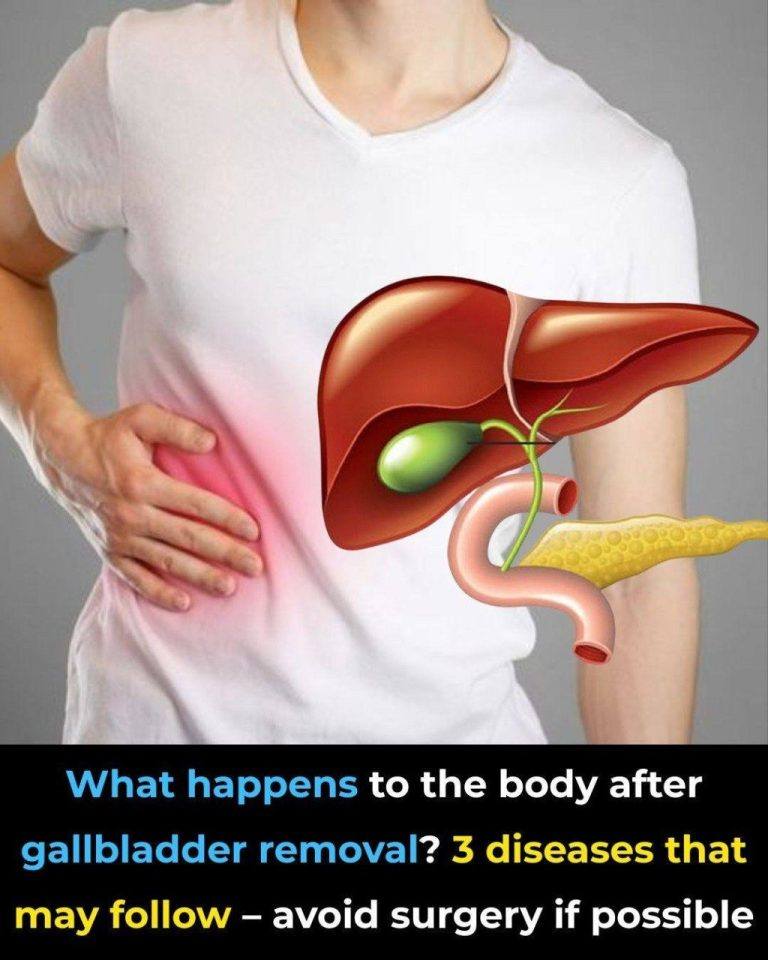
The idea that you should “avoid gallbladder surgery if possible” is misleading in a general sense. When the gallbladder is diseased—most commonly due to painful gallstones or inflammation—removing it (a procedure called a cholecystectomy) is often the definitive treatment and prevents serious complications. What matters is whether surgery is indicated, not avoiding it at all costs.
That said, you’re right that the body does change after gallbladder removal, and a minority of people can develop certain ongoing digestive issues. Here’s a clear, balanced breakdown.
What changes after gallbladder removal?
The gallbladder’s job is to store and concentrate bile (a digestive fluid made by the liver) and release it in controlled bursts when you eat fatty food.
After removal:
- Bile flows continuously into the intestine instead of being stored
- Fat digestion becomes less “regulated”
- Most people adapt well over weeks to months
Many people live completely normal lives afterward with no long-term problems.
3 conditions that may occur after surgery
1) Postcholecystectomy syndrome
This is an umbrella term for persistent symptoms after surgery, such as:
- Bloating
- Indigestion
- Right upper abdominal discomfort
- Nausea or reflux-like symptoms
It does not happen in most patients, and when it does, it may be due to bile flow changes or unrelated digestive issues that were already present before surgery.
2) Bile acid diarrhea
Without a storage “reservoir,” bile can sometimes irritate the intestines.
This may lead to:
- Frequent loose stools
- Urgency after eating, especially fatty meals
It is usually manageable with diet changes or medications that bind bile acids.
3) Sphincter of Oddi dysfunction (rare)
In some cases, the muscle controlling bile and pancreatic juice flow can spasm or malfunction after surgery.
Possible symptoms:
- Episodic upper abdominal pain
- Nausea
- Abnormal liver or pancreatic enzyme tests
This is uncommon and often investigated only if symptoms persist significantly.
Important perspective: surgery vs risk of not treating
Avoiding gallbladder surgery when it is actually needed can be far more dangerous than the surgery itself. Untreated gallbladder disease can lead to:
- Severe gallbladder infection (cholecystitis)
- Blocked bile ducts
- Pancreatitis (potentially serious)
- Gallbladder rupture (rare but dangerous)
So the decision is usually based on:
- Frequency and severity of symptoms
- Ultrasound findings (stones, inflammation)
- Risk of complications
Bottom line
- Most people do very well after gallbladder removal
- A small percentage develop digestive symptoms like diarrhea or bloating
- Serious long-term complications are uncommon
- Surgery is generally recommended when gallbladder disease is symptomatic or complicated—not something to avoid by default
If you want, I can explain:
- How to know if gallbladder surgery is actually necessary
- Or natural ways to manage gallstone symptoms before surgery (when safe)
