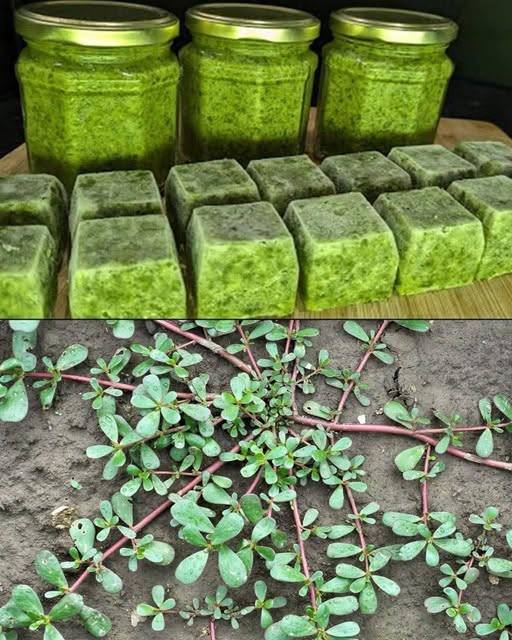
This is another headline that mixes a real plant with exaggerated “daily superfood” claims.
The plant in question is Purslane (also called Portulaca oleracea). It’s edible, widely used in some cuisines, and does have a solid nutrient profile—but it’s not a miracle food, and “especially after age 60” is mostly marketing framing.
What purslane actually contains
Purslane is notable because it provides:
- Omega-3 fatty acids (ALA) (unusual for a leafy vegetable)
- Vitamin C
- Vitamin A (beta-carotene)
- Magnesium and potassium
- Antioxidants (betalains, flavonoids)
- Some fiber
What might happen if you eat it regularly
1. Heart-supportive nutrient intake (possible benefit)
- Omega-3s and potassium may support cardiovascular health
- May help overall diet quality in older adults
2. Better digestion (mild effect)
- Fiber can support bowel regularity
- Usually modest unless overall diet is low in fiber
3. Antioxidant support
- Compounds may help reduce oxidative stress markers
- This is a general nutritional effect, not a disease treatment
4. Possible blood sugar support (limited evidence)
- Some small studies suggest mild glucose-lowering effects
- Not a substitute for diabetes management
Important cautions (especially relevant for older adults)
1. High oxalate content
- Purslane contains oxalates
- May contribute to kidney stone risk in susceptible people
2. Blood thinning interactions (theoretical)
- Contains omega-3s, so caution if taking anticoagulants (like warfarin)
- Not dangerous in normal food amounts for most people, but worth awareness
3. Digestive sensitivity
- Large daily amounts may cause bloating in some people
What it does NOT do (despite viral claims)
- It does not “reverse aging”
- It does not “clean arteries overnight”
- It does not prevent dementia or cancer
- It does not have special effects only “after age 60”
Those claims are typical supplement-style exaggerations.
Bottom line
Eating Purslane regularly can be a nutrient-rich addition to a balanced diet, including for older adults, but:
- benefits are modest and supportive
- risks are low but not zero (mainly oxalates)
- it is not a medical treatment or anti-aging intervention
If you want, I can compare purslane with other leafy greens (like spinach or kale) so you can see where it actually stands nutritionally instead of viral hype.
