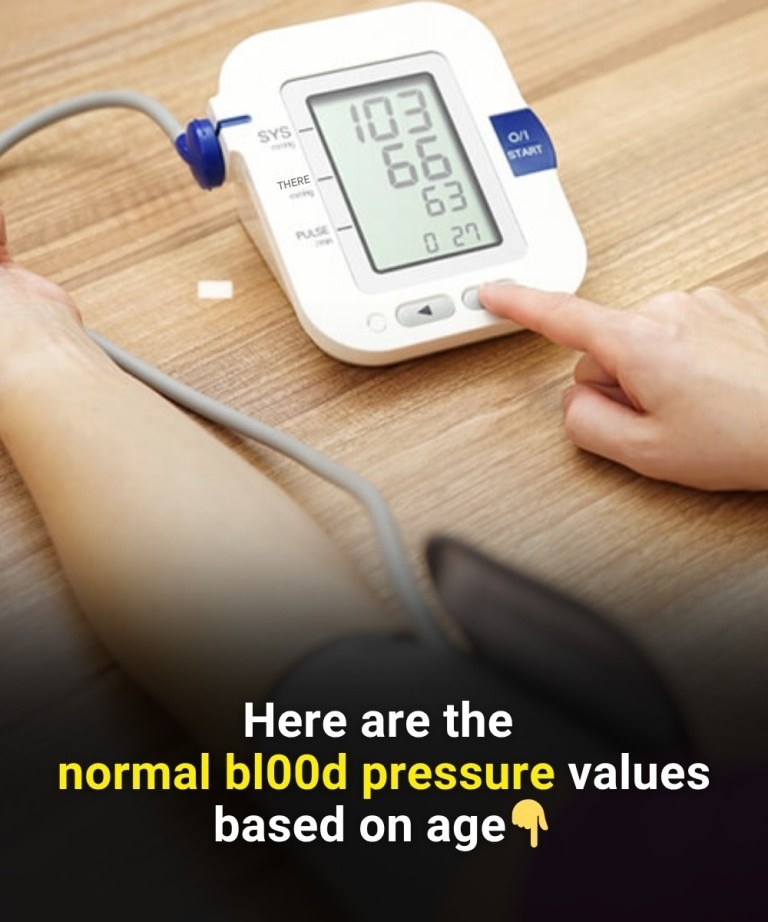
Blood pressure “normal” depends less on age than many people think. For most adults today, medical guidelines use the same target ranges across ages, with only small clinical adjustments for older or high-risk patients.
Here’s a clear, up-to-date guide.
🩺 What is “normal” blood pressure?
Blood pressure is written like 120/80 mmHg:
- Top number (systolic): pressure when the heart beats
- Bottom number (diastolic): pressure when the heart rests
✅ Normal blood pressure (adults)
| Category | Systolic (top) | Diastolic (bottom) |
|---|---|---|
| Normal | <120 | <80 |
| Elevated | 120–129 | <80 |
| High BP (Stage 1) | 130–139 | 80–89 |
| High BP (Stage 2) | ≥140 | ≥90 |
| Crisis (urgent) | ≥180 | ≥120 |
These ranges are based on modern guidelines used globally for diagnosing Hypertension.
👶 Children & teens (important difference)
For people under 18, “normal” is not a single number. It depends on:
- age
- sex
- height percentile
Doctors use percentile charts, not fixed values.
As a general idea:
- Younger children → lower BP
- Teenagers → gradually approach adult ranges
👴 What about older adults?
Many people assume BP should rise with age, but medically:
- Target is still usually <120/80–130/80
- Some older adults may naturally run slightly higher (e.g., 130–139 systolic)
- Doctors may individualize targets depending on:
- kidney health
- diabetes
- stroke risk
- medication tolerance
👉 Key point: “Normal for age” is less important than “safe for your health.”
⚠️ When blood pressure becomes a concern
You should take it seriously if:
- It is repeatedly ≥130/80
- You have headaches, dizziness, chest discomfort, or shortness of breath
- You already have diabetes, heart, or kidney disease
👍 Quick takeaway
- Ideal adult BP: around 120/80 mmHg or lower
- High BP starts: 130/80 or above
- Age doesn’t significantly change the definition of normal
If you want, I can also:
- check whether a specific BP reading is normal
- explain low blood pressure
- or show how to measure BP correctly at home
