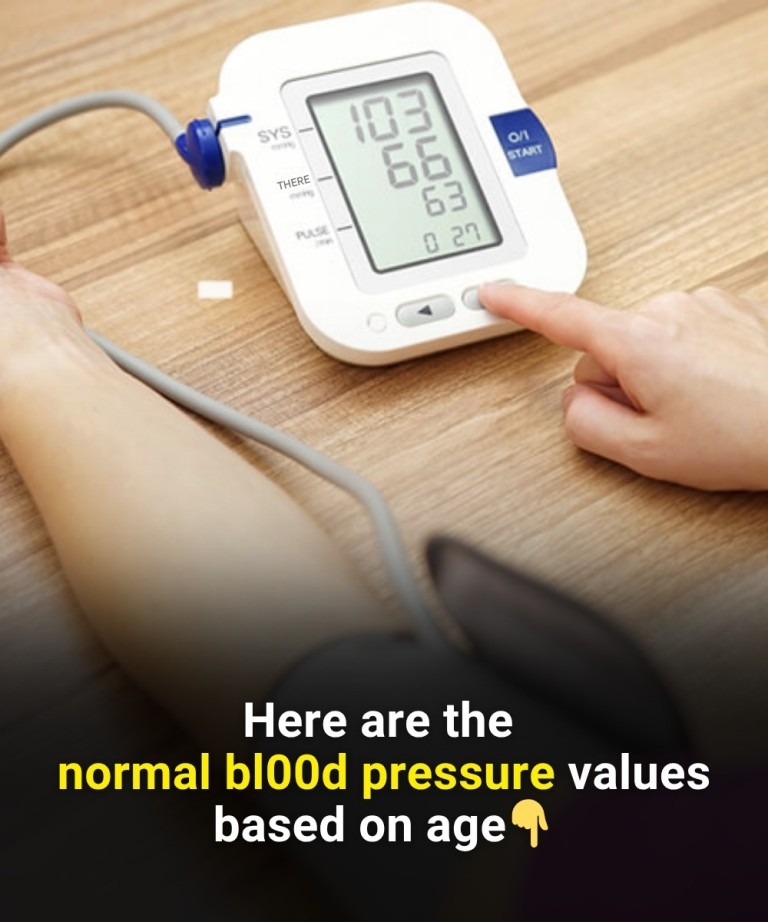
There isn’t a completely different “normal blood pressure” for every age in adults. Modern medical guidelines use one main healthy range, because high blood pressure is risky at any age.Blood pressure is measured in mmHg (example: 120/80) and is classified as follows:
🩺 Standard blood pressure categories (adults)
- Normal: below 120 / 80
- Elevated: 120–129 / below 80
- High blood pressure (hypertension): 130 / 80 or higher
- Hypertensive crisis: 180 / 120 or higher (urgent care needed)
👶 Children & teens
- Blood pressure is not fixed
- It depends on age, height, and sex
- Doctors use percentile charts rather than one “normal” number
🧑 Young adults (18–39)
- Ideal range: ~110–120 / 70–80
- Consistently above 120/80 should be monitored
🧔 Middle age (40–59)
- Blood pressure often begins to rise gradually
- Still, the goal remains under 120/80 ideally, or at least under 130/80
👴 Older adults (60+)
- Slight increases are more common due to stiffer arteries
- However, higher readings are not considered “normal” just because of age
- Doctors may adjust targets individually depending on overall health
High BP in this group still increases risk of:
- stroke
- Heart disease
- Kidney damage
⚠️ Common misunderstanding
Many people believe:
“High BP is normal when you get older.”
This is not true. Aging may increase risk, but hypertension is always a medical condition, not a normal stage of aging.
🧠 Bottom line
- Adults generally share the same healthy target: below 120/80
- Under 130/80 is often acceptable depending on guidelines and individual risk
- Anything higher should be checked and managed
If you want, tell me your age and recent readings—I can interpret them in a simple, personalized way.
