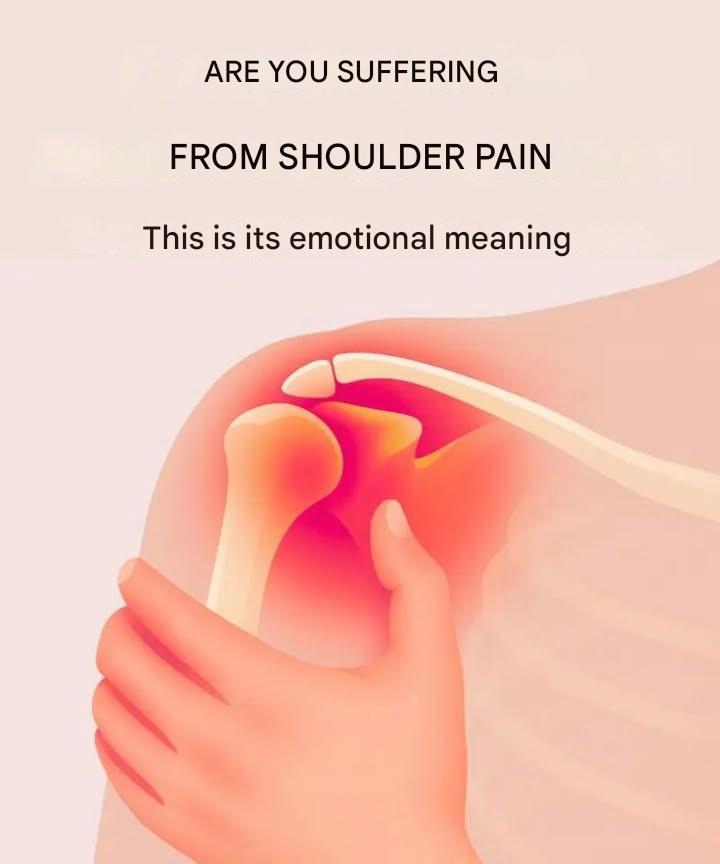
Shoulder pain is very common, and medically it usually has physical causes such as muscle strain, rotator cuff injury, poor posture, overuse, arthritis, or nerve irritation. However, many people are also interested in its emotional or psychosomatic associations—how stress and emotional states may influence tension in the shoulder area.
Below is a clear, balanced “article-style” explanation.
Emotional Significance of Shoulder Pain (Mind–Body Perspective)
1. The body–emotion connection
The body and mind are closely linked. When a person experiences chronic stress, anxiety, or emotional burden, the nervous system often responds by increasing muscle tension. Over time, this can contribute to discomfort in areas that naturally hold stress—especially the neck, upper back, and shoulders.
This does not mean emotions are the only cause of pain, but they can be a contributing factor or amplifier.
2. Symbolic interpretation of shoulders
In many psychological and holistic traditions, shoulders are associated with:
- Responsibility
- Burdens and obligations
- “Carrying the weight” of life
- Pressure from work, family, or expectations
So emotionally, shoulder tension is often described as:
“Carrying too much for too long.”
Again, this is symbolic language, not a medical diagnosis.
3. Stress and muscle tension
When you are under stress:
- The body activates the “fight or flight” response
- Muscles tighten automatically for protection
- Shoulders tend to rise and stiffen
- Breathing may become shallow
If stress becomes long-term, the muscles may stay partially contracted, leading to:
- Tight shoulders
- Aches or burning sensations
- Reduced mobility
- Headaches or neck pain
4. Emotional patterns sometimes linked with shoulder tension
People experiencing shoulder pain sometimes also report:
- Feeling overwhelmed or over-responsible
- Difficulty saying “no”
- Emotional suppression (holding feelings in)
- Work pressure or burnout
- Anxiety or constant mental load
These are correlations sometimes observed in psychosomatic studies and body-awareness therapies, not universal rules.
5. Left vs right shoulder (common interpretations)
In some holistic systems:
- Right shoulder is sometimes linked with work, logic, responsibility, and external duties
- Left shoulder is sometimes linked with emotions, relationships, and inner emotional life
However, there is no strong scientific evidence supporting strict left/right emotional meanings. It is mainly symbolic and varies by tradition.
6. Important medical reality check
It is very important not to assume shoulder pain is “just emotional.”
Common physical causes include:
- Rotator cuff injury
- Frozen shoulder
- Poor posture (especially desk/phone use)
- Cervical spine issues (nerve compression)
- Arthritis
- Muscle strain or injury
If pain is persistent, worsening, or limits movement, a medical evaluation is necessary.
7. Helpful ways to address both body and stress
If stress may be contributing, these approaches can help alongside medical care:
- Gentle stretching and shoulder mobility exercises
- Regular breaks from screens and posture correction
- Deep breathing or relaxation techniques
- Massage or physiotherapy
- Sleep improvement
- Stress management (journaling, mindfulness, counseling if needed)
8. Key takeaway
Shoulder pain is usually physical in origin, but emotional stress can contribute by increasing muscle tension and sensitivity. The “emotional meaning” is best understood as a metaphor for stress, responsibility, and mental load, not a direct diagnosis.
If you want, tell me:
- where exactly your shoulder pain is (left/right/front/back), and
- how long you’ve had it
I can help narrow down the most likely physical causes too.
