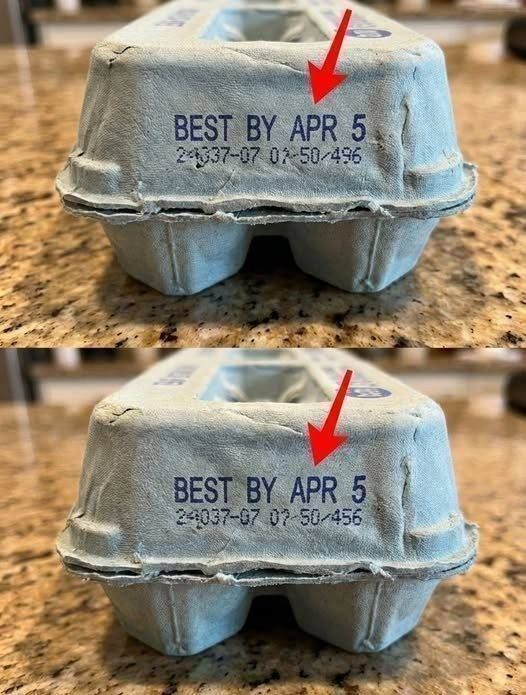
Egg carton numbers look confusing, but they actually tell you important things about freshness, origin, and safety. Ignoring them can increase your risk of eating spoiled eggs or even getting sick from bacteria like Salmonella infection.
Here’s how to decode them.
🥚 1. The “Julian Date” (Pack Date)
You’ll often see a 3-digit number like 001–365 printed on the carton.
- This is the day of the year the eggs were packed
- 001 = January 1
- 365 = December 31
Why it matters
- Eggs are usually best within 3–5 weeks of packing
- Fresher eggs = better taste, better texture, lower spoilage risk
👉 If you ignore this, you might buy eggs that are already near expiration without realizing it.
🏭 2. Plant or Producer Code
A code like “P-1234” or similar.
- Identifies the farm or processing plant
- Used for traceability in recalls
Why it matters
If there’s a contamination outbreak (like Salmonella), authorities use this code to trace and remove affected eggs quickly.
📅 3. Expiration or “Best Before” Date
Usually marked as:
- “EXP”
- “Best Before”
- A printed calendar date
Important detail
- This is often a quality date, not a strict safety cutoff
- Eggs can still be safe shortly after, if stored properly
But:
- Cracked, smelly, or leaking eggs should always be discarded
🧊 4. Egg Grade (A, AA, or B)
Common in many countries:
- Grade AA → highest quality, firm whites, strong yolks
- Grade A → slightly lower but still excellent for cooking
- Grade B → mostly used for processed foods
🐔 5. Farming Method Labels
These are not just marketing—they reflect how hens are raised:
- Cage-free
- Free-range
- Organic
These can affect:
- Egg cost
- Animal welfare standards
- Sometimes freshness handling practices
⚠️ Why ignoring carton codes can make you sick
If you don’t check these numbers, you risk:
1. Eating older eggs
Older eggs are more likely to:
- Spoil internally without obvious signs
- Develop off smells or textures
2. Higher bacterial risk
Improper storage or old eggs increase risk of Salmonella infection, which can cause:
- Diarrhea
- Fever
- Stomach cramps
- Vomiting
3. Missing recall alerts
If contaminated batches are recalled, the plant code is how you know if your eggs are affected
🧠 Simple safety checklist
Before buying or using eggs:
- ✔ Check the pack date (Julian code)
- ✔ Check expiration/best-before date
- ✔ Make sure shells are not cracked
- ✔ Store in the fridge immediately
- ✔ Cook thoroughly (especially for kids, elderly, or pregnant people)
If you want, I can also show you a real egg carton example and break down every label visually so it’s easier to recognize next time you shop.
