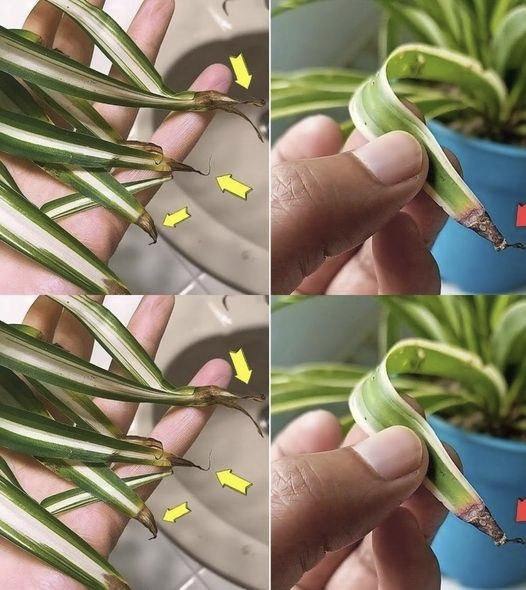
Why Do the Tips of Herbaceous Plants Turn Brown?
Introduction
Browning at the tips of herbaceous plants is a very common issue seen in gardens and indoor pots. This condition is often called tip burn. It is not a disease itself, but a symptom that something in the plant’s environment or care routine is not balanced. Understanding the causes can help you prevent damage and keep plants healthy.
1. Irregular or Insufficient Watering
One of the most common reasons for browning leaf tips is improper watering. When plants do not receive enough water, the outer edges and tips of leaves dry out first because they are the farthest from the roots.
Similarly, irregular watering (alternating between very dry and very wet soil) can stress the plant. This stress affects how water moves through the plant, leading to dry, brown tips.
2. Low Humidity
Many herbaceous plants lose moisture through their leaves in a process called transpiration. When the surrounding air is too dry, especially indoors with fans, air conditioners, or heaters, plants lose water faster than they can absorb it.
This imbalance causes the leaf tips to dry out and turn brown.
3. Fertilizer Burn and Salt Build-Up
Over-fertilizing or using strong chemical fertilizers can cause salts to accumulate in the soil. These salts pull water away from plant roots and damage delicate root tissues.
As a result, the plant cannot transport water properly, and the tips of leaves often show the first signs of damage by turning brown.
Hard water (high in minerals) can also contribute to salt buildup over time.
4. Excessive Sunlight or Heat Stress
While sunlight is essential for plant growth, too much direct sun—especially for shade-loving herbaceous plants—can damage leaf tissues.
High temperatures increase water loss and can cause leaf edges and tips to dry out and become brown or scorched.
5. Nutrient Deficiencies
A lack of essential nutrients, especially potassium, can affect how plants regulate water movement. Potassium plays a key role in maintaining plant hydration balance.
When it is deficient, leaves may develop brown edges or tips as a stress response.
6. Root Problems
Healthy roots are essential for water and nutrient absorption. If roots are damaged due to overwatering, poor drainage, compact soil, or disease, they cannot function properly.
This leads to poor water supply to the leaves, and the tips are usually the first to show signs of stress.
Biological Explanation
The browning of leaf tips is closely linked to the process of Transpiration, which is how plants lose water through tiny openings in their leaves.
When water loss exceeds water uptake, the plant cannot maintain moisture in the outer leaf tissues, resulting in drying and browning.
Prevention and Care Tips
To prevent browning of leaf tips in herbaceous plants:
- Water regularly but avoid overwatering
- Ensure proper drainage in pots or soil
- Maintain moderate humidity levels indoors
- Avoid overuse of fertilizers
- Use clean or filtered water if possible
- Protect plants from harsh afternoon sun
- Check roots periodically for rot or damage
Conclusion
Brown tips in herbaceous plants are usually a sign of environmental stress rather than a serious disease. With proper watering, balanced nutrients, and suitable growing conditions, most plants can recover and continue to grow healthily.
