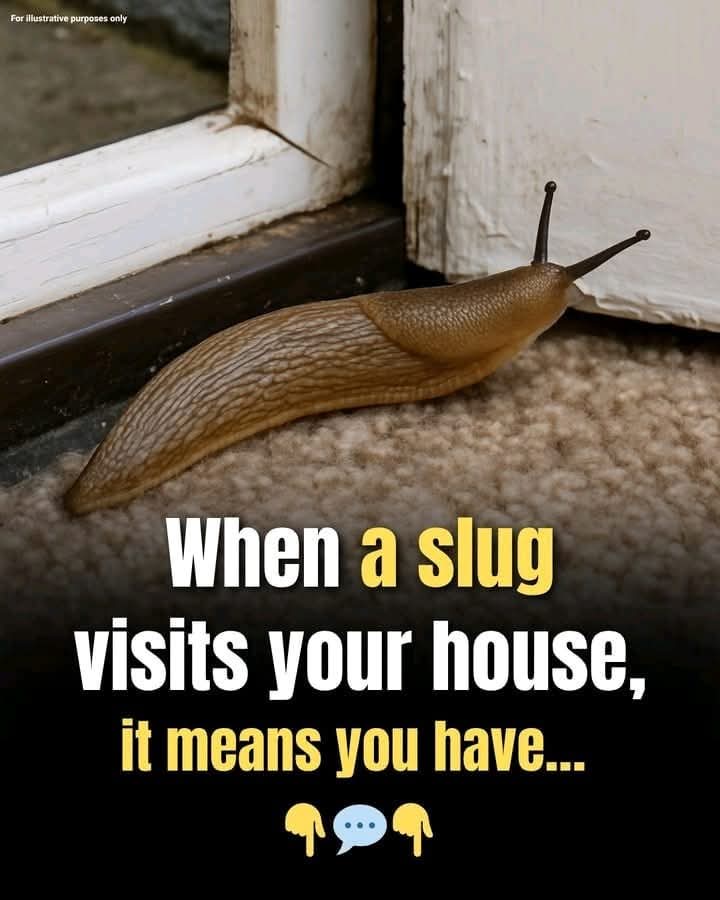
Slugs usually get a bad reputation—slimy, slow, and garden pests—but they actually play some surprisingly important roles in nature. Once you look a little closer, they’re a lot more impressive than they seem.
🌱 1. Nature’s Recyclers
Slugs feed on decaying plants, fungi, and organic matter. This makes them key players in nutrient cycling, helping break down waste and return nutrients to the soil—similar to earthworms.
🍄 2. Fungi Spreaders
Many slugs eat fungi and then spread spores through their droppings, supporting forest ecosystems. This helps maintain plant–fungus relationships that trees depend on.
🐦 3. Important Food Source
Slugs are part of the food chain. Animals like birds, frogs, hedgehogs, and beetles rely on them for nutrition.
🧬 4. Masters of Adaptation
Slugs produce mucus that helps them:
- Move smoothly over rough surfaces
- Avoid injury
- Stay hydrated
This slime is so effective that scientists study it for potential use in medicine and adhesives.
🌙 5. Quiet Night Workers
Most slugs are nocturnal, meaning they do their work while we sleep—cleaning up organic debris and helping ecosystems function without being noticed.
🌿 6. Not All Slugs Are Pests
While some damage garden plants, many species prefer dead material and don’t harm healthy plants at all.
🧠 7. Surprisingly Complex Creatures
Slugs have simple but functional nervous systems and can respond to their environment in ways that help them survive—like avoiding light and detecting food chemically.
⚖️ The Balanced View
Yes, slugs can damage crops and garden plants. But wiping them out completely would disrupt ecosystems. Like many creatures, they’re both helpful and harmful, depending on context.
🌍 Bottom Line
Slugs may not be glamorous, but they’re essential little recyclers, ecosystem helpers, and even sources of scientific inspiration. They definitely deserve more credit than they get.
If you want, I can also show you how to keep slugs out of your garden without harming the ecosystem.
